
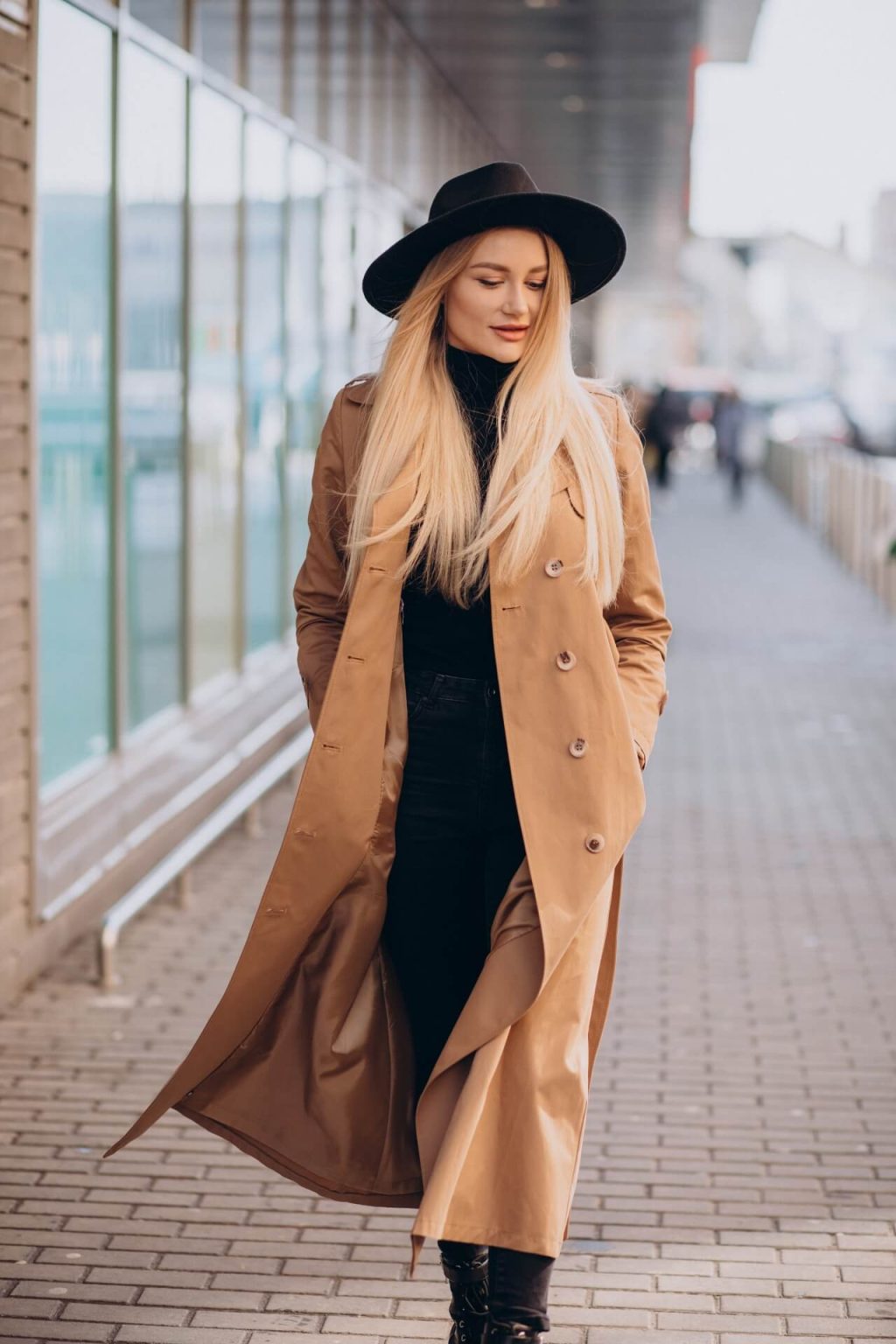
The Psychology of Style: What Your Outfit Says About You
Ever wondered what your clothes silently reveal about your personality? Fashion is more than just fabrics and trends; it’s a powerful form of self-expression. Uncover the fascinating psychology behind fashion and learn how your style speaks volumes, influencing not only how others perceive you, but also how you perceive yourself.
Fashion Psychology: Understanding the Basics
Fashion psychology is the study of how clothing affects our behavior, emotions, and attitudes. It explores the impact of clothing on self-perception, social interaction, and cognitive processes. By understanding these principles, you can consciously use your wardrobe to enhance your confidence, mood, and overall well-being.
Style and Personality: The Connection
Your style is a reflection of your personality. Whether you prefer classic elegance, bold avant-garde, or casual comfort, your clothing choices often mirror your inner self. Here’s how different style elements can reveal aspects of your personality:
- Color Preferences: Bright colors often indicate an outgoing and adventurous personality, while muted tones may suggest a more reserved and introspective nature.
- Clothing Fit: Form-fitting clothes can convey confidence and self-assuredness, whereas loose and comfortable attire may reflect a relaxed and easy-going attitude.
- Accessory Choices: Unique and eye-catching accessories often signal creativity and a desire for self-expression, while minimal accessories may indicate a preference for simplicity and functionality.
Outfit Communication: Sending Silent Signals
Clothing is a form of non-verbal communication. It conveys messages about your social status, profession, and personal values. Consider how different outfits send different signals:
- Professional Attire: A well-tailored suit projects competence and authority, making it ideal for business settings.
- Casual Wear: Jeans and a t-shirt communicate a relaxed and approachable vibe, suitable for social gatherings and informal occasions.
- Formal Wear: Elegant dresses and tuxedos signify respect and sophistication, reserved for special events and celebrations.
Understanding outfit communication allows you to strategically choose your attire to create the desired impression in various situations.
Clothing Influence: Impact on Self-Perception
The clothes you wear can significantly impact your self-perception. This phenomenon, known as “enclothed cognition,” suggests that clothing can activate certain mental processes, influencing your behavior and cognitive abilities. For example:
- Wearing a Lab Coat: Studies have shown that wearing a lab coat can enhance attention and improve performance on detail-oriented tasks.
- Wearing Athletic Gear: Putting on workout clothes can motivate you to exercise and boost your physical performance.
- Wearing Formal Attire: Dressing in formal attire can increase feelings of power and confidence, leading to more assertive behavior.
Subconscious Styling: The Role of Intuition
Often, our style choices are driven by subconscious factors. Intuition plays a significant role in selecting outfits that make us feel good and align with our emotional state. Trusting your instincts when choosing what to wear can lead to more authentic and satisfying self-expression.
Practical Tips for Conscious Styling
To harness the power of fashion psychology, consider these practical tips:
- Reflect on Your Mood: Choose outfits that align with your desired emotional state. If you want to feel confident, opt for clothes that make you feel powerful and attractive.
- Consider the Context: Select attire that is appropriate for the occasion and the message you want to convey.
- Experiment with Colors: Explore different color palettes to discover which hues resonate with your personality and enhance your mood.
- Pay Attention to Fit: Ensure your clothes fit well and flatter your body shape. Ill-fitting clothes can detract from your confidence and overall appearance.
- Express Your Individuality: Don’t be afraid to experiment with unique styles and trends that reflect your personal taste.
Conclusion: Embrace the Power of Style
Fashion is a powerful tool for self-expression and personal empowerment. By understanding the psychology of style, you can consciously use your clothing choices to enhance your confidence, communicate your values, and influence your behavior. So, the next time you’re getting dressed, remember that your outfit is saying more about you than you might think. Embrace the power of style and let your clothes tell your unique story.
Dive deeper into the world of fashion psychology on brittwilson.com and explore more real-life stories and insights. Share your own experiences and styling tips in the comments below!