
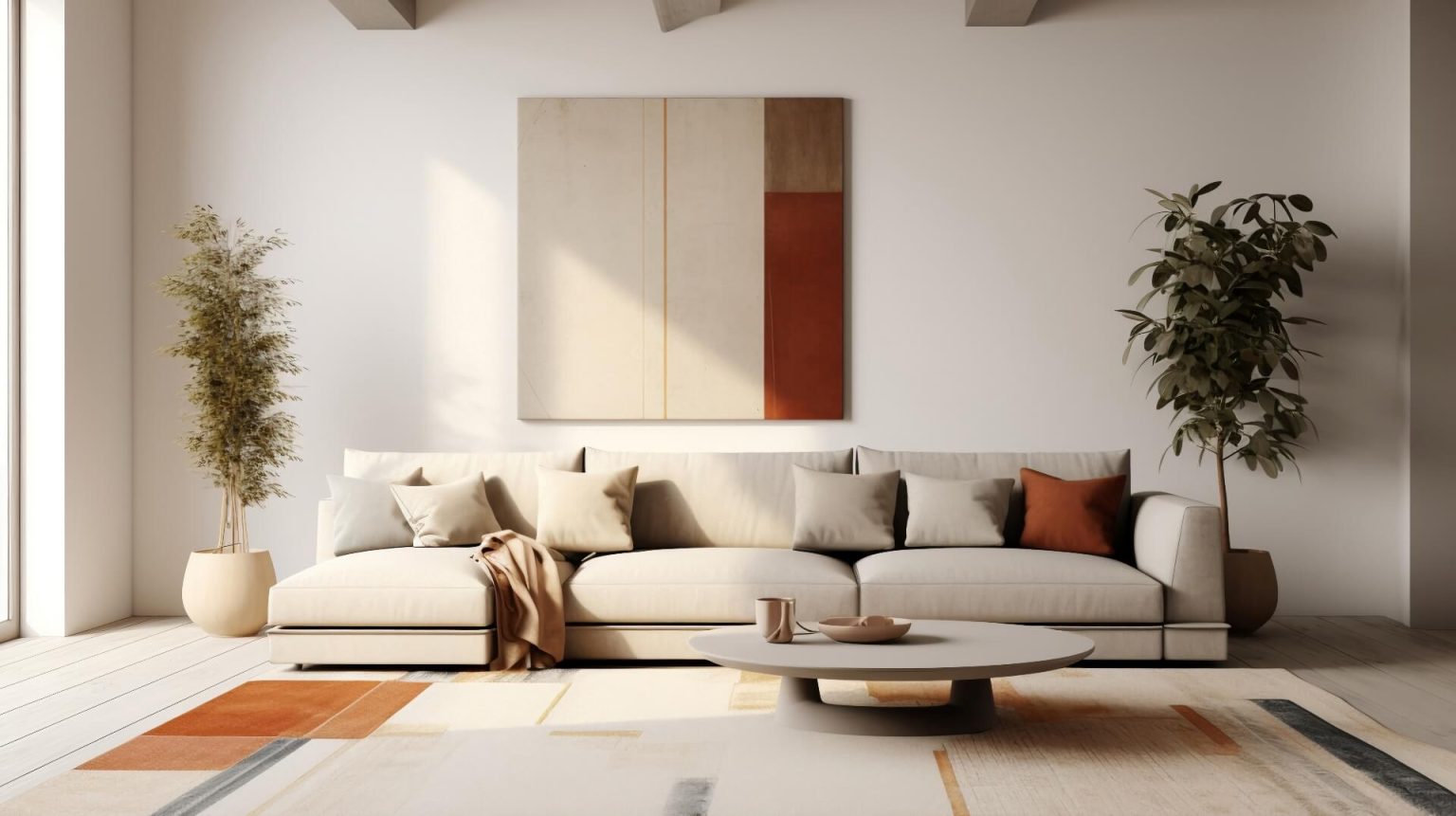
The Psychology of Space and Its Impact on You
Discover how the psychology of space profoundly impacts your well-being and learn practical tips for creating a stylish and balanced modern living environment.
Understanding Space Psychology
Space psychology explores the intricate relationship between our physical environment and our mental and emotional states. It delves into how the design, layout, and ambiance of our surroundings can influence our moods, behaviors, and overall well-being. Understanding these principles allows us to intentionally shape our living spaces to support a more balanced and fulfilling life.
The Elements of Space Psychology
Several key elements contribute to the psychological impact of space:
- Color: Colors evoke different emotions. For example, blue can be calming, while red can be energizing.
- Light: Natural light is essential for mood regulation. Dim or harsh lighting can negatively affect our well-being.
- Layout: The arrangement of furniture and objects impacts flow and functionality. Cluttered spaces can lead to stress, while organized spaces promote clarity.
- Texture and Materials: The tactile qualities of materials can influence our senses and create a sense of comfort or unease.
- Acoustics: Sound levels affect concentration and relaxation. Excessive noise can be disruptive, while quiet spaces encourage tranquility.
The Impact of Interior Design on Your Well-being
Interior design isn’t just about aesthetics; it’s about creating environments that support our psychological needs. A well-designed space can:
- Reduce stress and anxiety
- Improve focus and productivity
- Enhance creativity and inspiration
- Promote relaxation and restful sleep
- Foster a sense of belonging and connection
Creating a Balanced Modern Living Space
Here are some practical tips for incorporating space psychology into your home design:
Optimizing Your Home for a Balanced Lifestyle
Creating a stylish and balanced modern living environment involves thoughtful consideration of the elements discussed above. Here’s how you can apply them in your home:
Maximizing Natural Light and Ventilation
Sunlight is a natural mood booster. Make sure your windows are clean and unobstructed. Consider using sheer curtains to diffuse light while maintaining privacy. Regularly open windows to allow for fresh air circulation, which can improve air quality and mental clarity.
Choosing Calming Colors and Textures
Opt for a neutral color palette with soft, muted tones. Think warm grays, gentle blues, and earthy greens. Incorporate natural textures like wood, linen, and cotton to create a sense of warmth and comfort. Avoid harsh, synthetic materials that can feel cold and impersonal.
Creating Functional and Organized Zones
Designate specific areas for different activities, such as a workspace, a relaxation zone, and a social space. Use storage solutions to minimize clutter and keep surfaces clear. A well-organized space promotes a sense of calm and control.
Incorporating Biophilic Design Elements
Biophilic design emphasizes the connection to nature. Introduce plants, water features, or natural artwork to bring the outdoors in. Studies have shown that incorporating natural elements can reduce stress and improve overall well-being.
Personalizing Your Space with Meaningful Objects
Surround yourself with items that bring you joy and reflect your personality. Display cherished photos, artwork, and souvenirs. Creating a space that feels authentically “you” can foster a sense of belonging and contentment.
The Importance of Space Psychology in Modern Living
In today’s fast-paced world, it’s more important than ever to create living spaces that support our mental and emotional health. By understanding the principles of space psychology and incorporating mindful design choices, we can transform our homes into havens of tranquility and well-being.
Embrace the power of space psychology to design a home that nurtures your mind, body, and soul. Share your experiences and tips for creating a balanced living environment in the comments below!
“`Tasiwei