Start with the outcome, not the ambition
“Make a beautiful illustrated story” is an appealing ambition, but it leaves most decisions unresolved. A project goal becomes more useful when it names something you can complete: one full-page scene, a four-panel comic or a set of three related spot illustrations. The outcome does not have to be small in importance. It needs to be specific enough that you can tell when the work is finished.
Write a one-sentence brief before drawing: “Create a four-panel comic about a character missing the bus, using limited color and readable expressions.” That sentence identifies format, subject and a visual constraint. It also gives you a way to reject tempting additions. A second character or elaborate background might improve the idea, but neither is essential to this version of the project.
Choose a scope that fits your available time
Illustration work includes more than the final rendering. Gathering references, trying compositions, revising a sketch and preparing a finished file all take attention. When estimating a project, list those stages rather than treating “draw the image” as one task. If you have never made something similar, treat your estimate as a starting guess, not a promise.
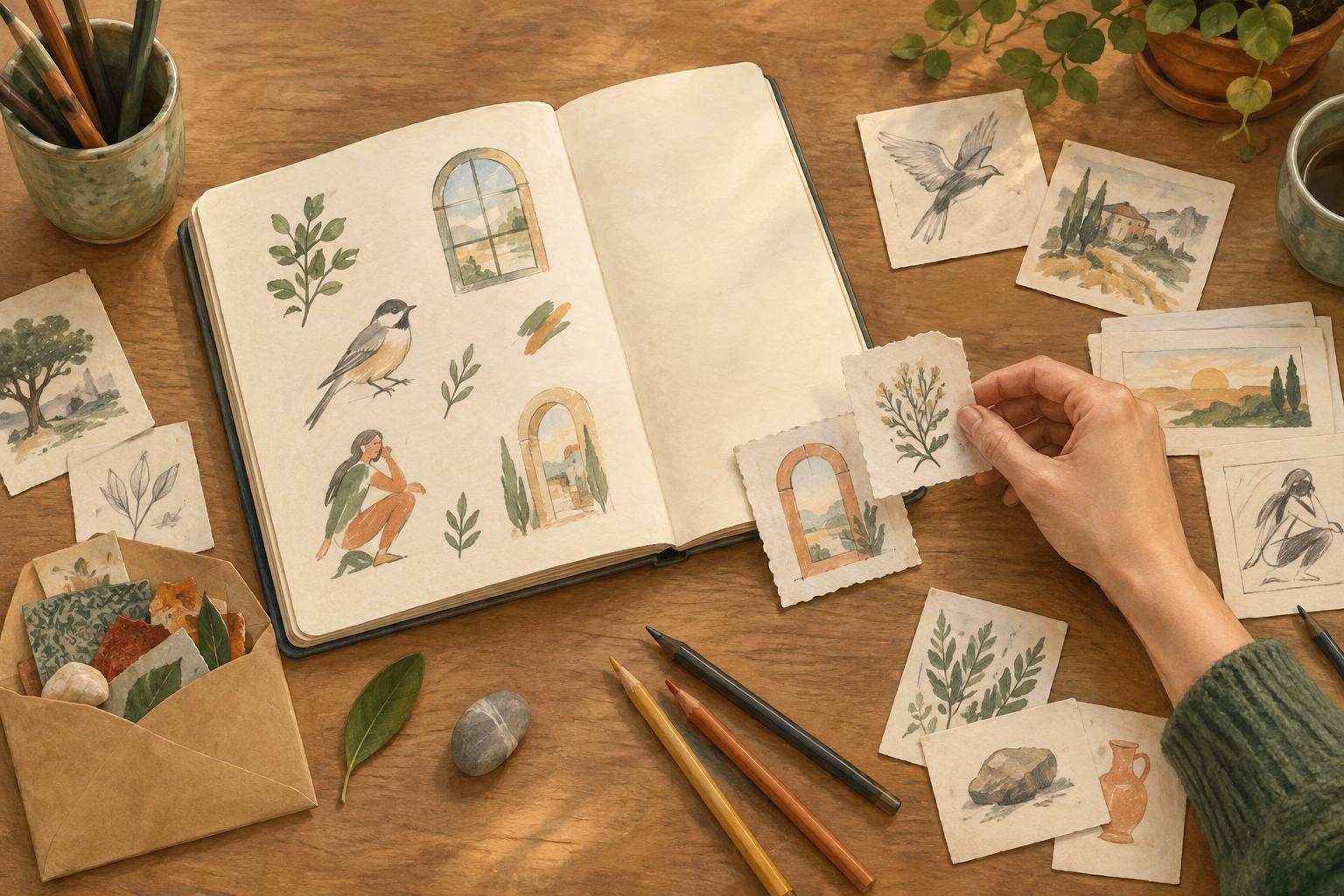
Reduce scope before reducing every part of the process. A single well-considered scene may teach you more than six rushed scenes. You might limit the number of characters, use a small palette or repeat a setting across panels. These constraints can support visual consistency while leaving room to practice the skill that matters most to you. Choose one main challenge, such as lighting or sequential pacing, instead of trying to master several at once.
Turn the goal into visible milestones
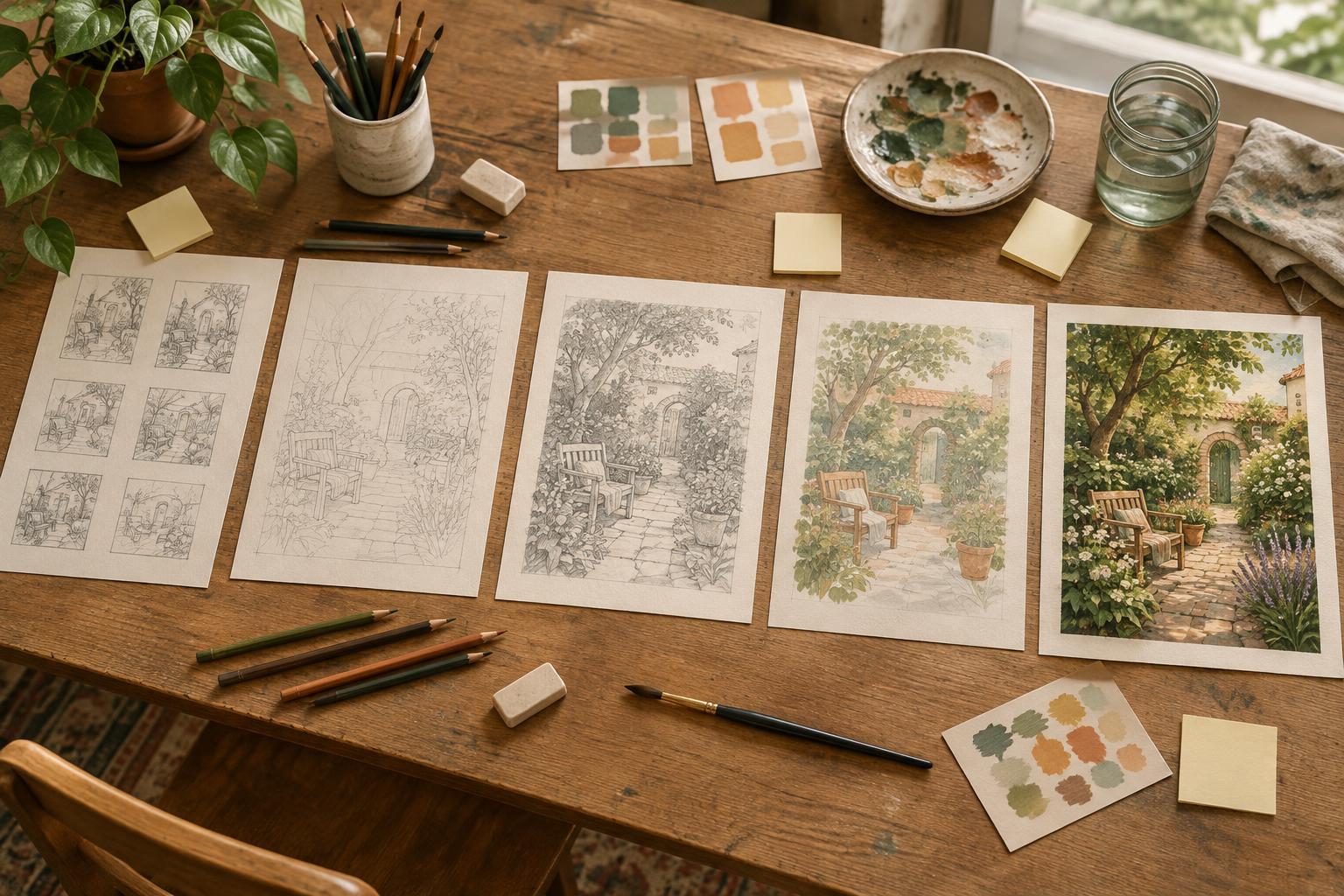
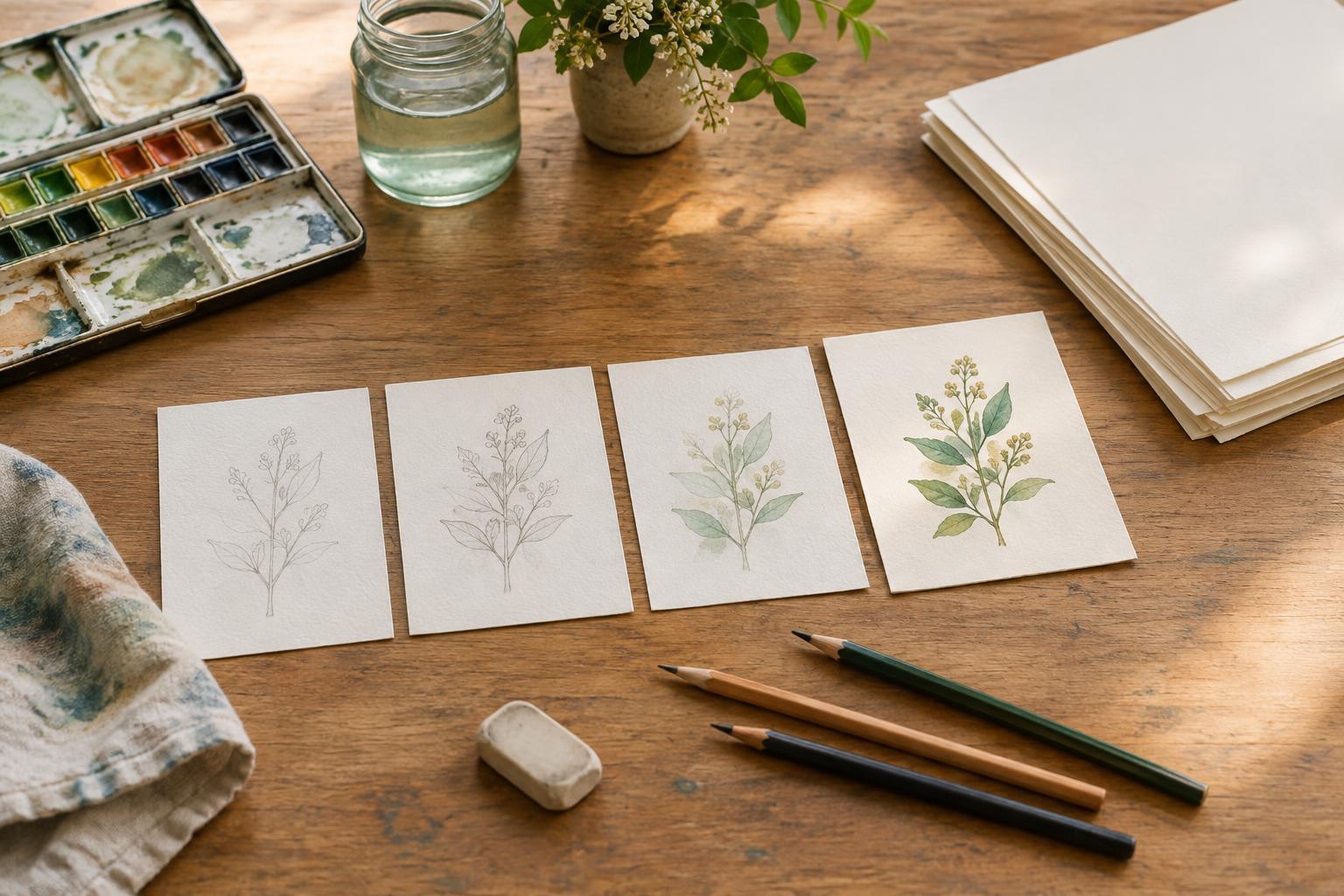
A finish date alone gives little guidance on an ordinary workday. Divide the project into outcomes you can inspect: a page of thumbnail compositions, a selected sketch, a color test, a revised drawing and a final export. Each milestone should answer a question. Thumbnails test whether the idea reads; a color test checks whether the mood and focal point hold together.
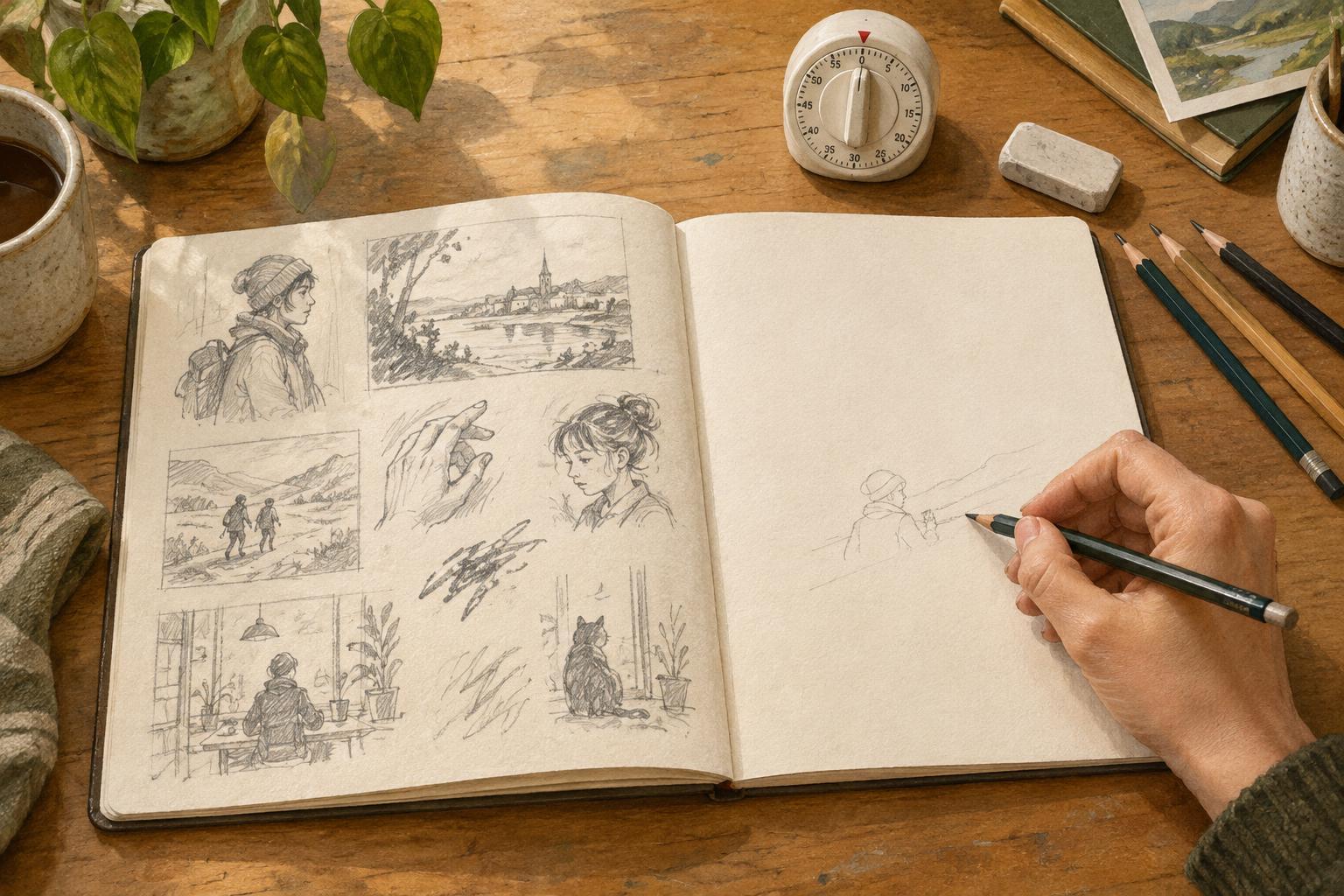
Keep the steps small enough to begin during a short session. “Explore compositions” may still feel vague, while “draw six two-minute thumbnails” suggests an immediate action. Not every step needs a strict time limit. The point is to make progress visible without mistaking a busy checklist for a stronger illustration. If a thumbnail reveals that the concept is unclear, revisiting the brief is progress too.
Define what finished means
An illustration can always absorb another adjustment. Decide in advance which qualities the piece must have to serve its purpose. For a comic, the reading order and expressions might matter more than detailed textures. For a small editorial image, a clear focal point might matter more than a complex background. Write down two or three completion criteria that relate to the brief.
Separate those criteria from optional polish. You might need legible lettering, clean edges and a file sized for its intended use; you may only want an extra lighting pass. This distinction makes it easier to stop when the piece is ready rather than when you have exhausted your patience. It also helps you use feedback: ask whether a response identifies a problem with the intended outcome or simply suggests a different artistic direction.
Review the plan without abandoning the project
A workable goal can change as you learn. At the end of a session, note what is complete, what remains uncertain and the next small action. If a stage repeatedly takes longer than expected, adjust the plan. You could simplify the background, extend the schedule or make a smaller finished version. Changing the route is not the same as giving up on the destination.
When the piece is done, make a brief record of what helped and what created friction. Did the limited palette speed up decisions? Did lettering need more room than the first sketch allowed? Use those observations when setting the next goal. Over several projects, achievable planning becomes less about predicting every hour and more about choosing a clear challenge, finishing a useful piece and learning from the process.