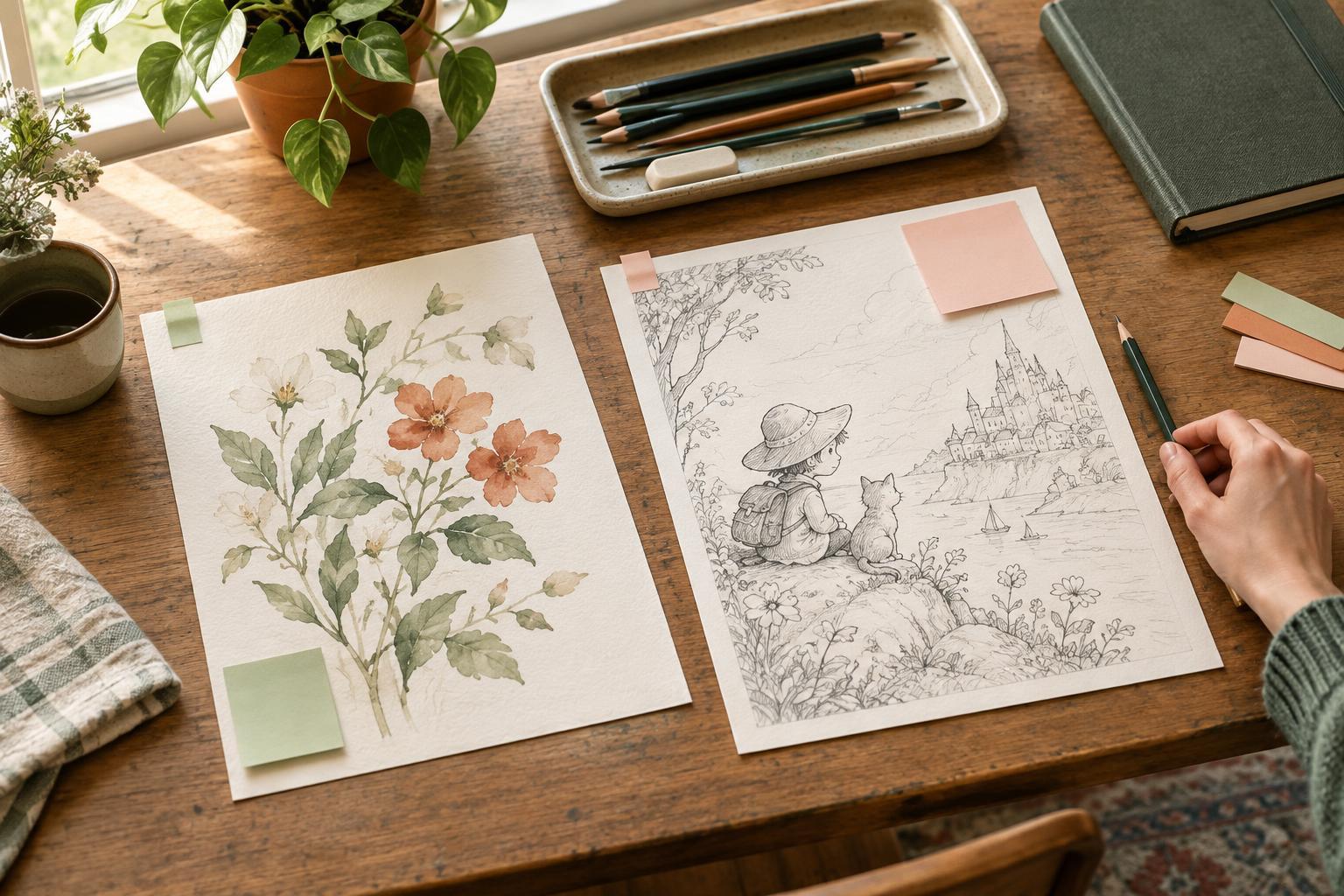
Creative PracticeMoving between drawings can make each return feel like a fresh start. A brief handoff note, a visible next action and a simple re-entry routine can help you preserve momentum without keeping every project in your head.
Read article · 3 min↗
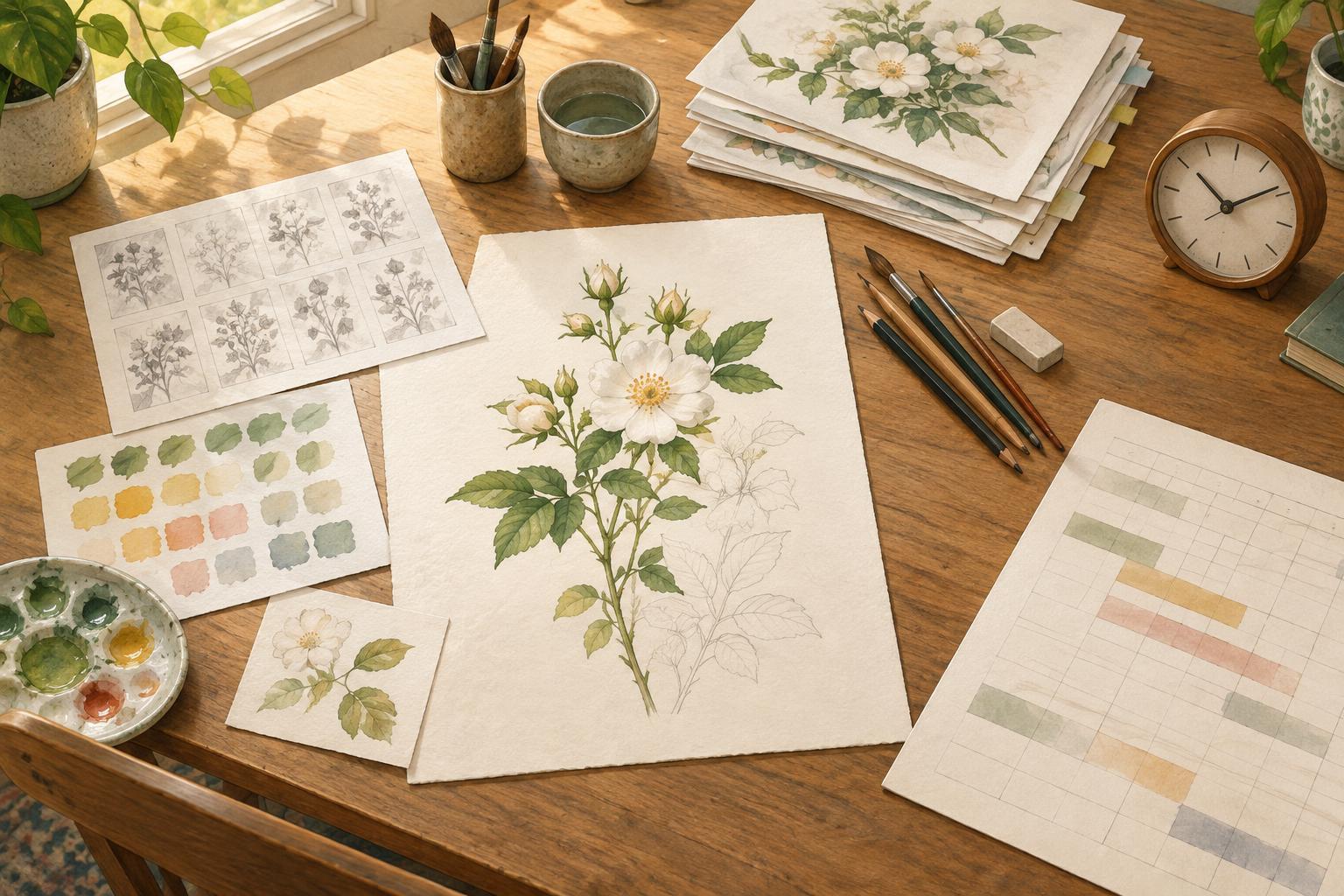
Creative PracticeA useful illustration estimate is more than a guess at drawing speed. Learn how to define the deliverable, divide the work into stages, account for revisions, and build a schedule that leaves room for creative decisions.
Read article · 4 min↗
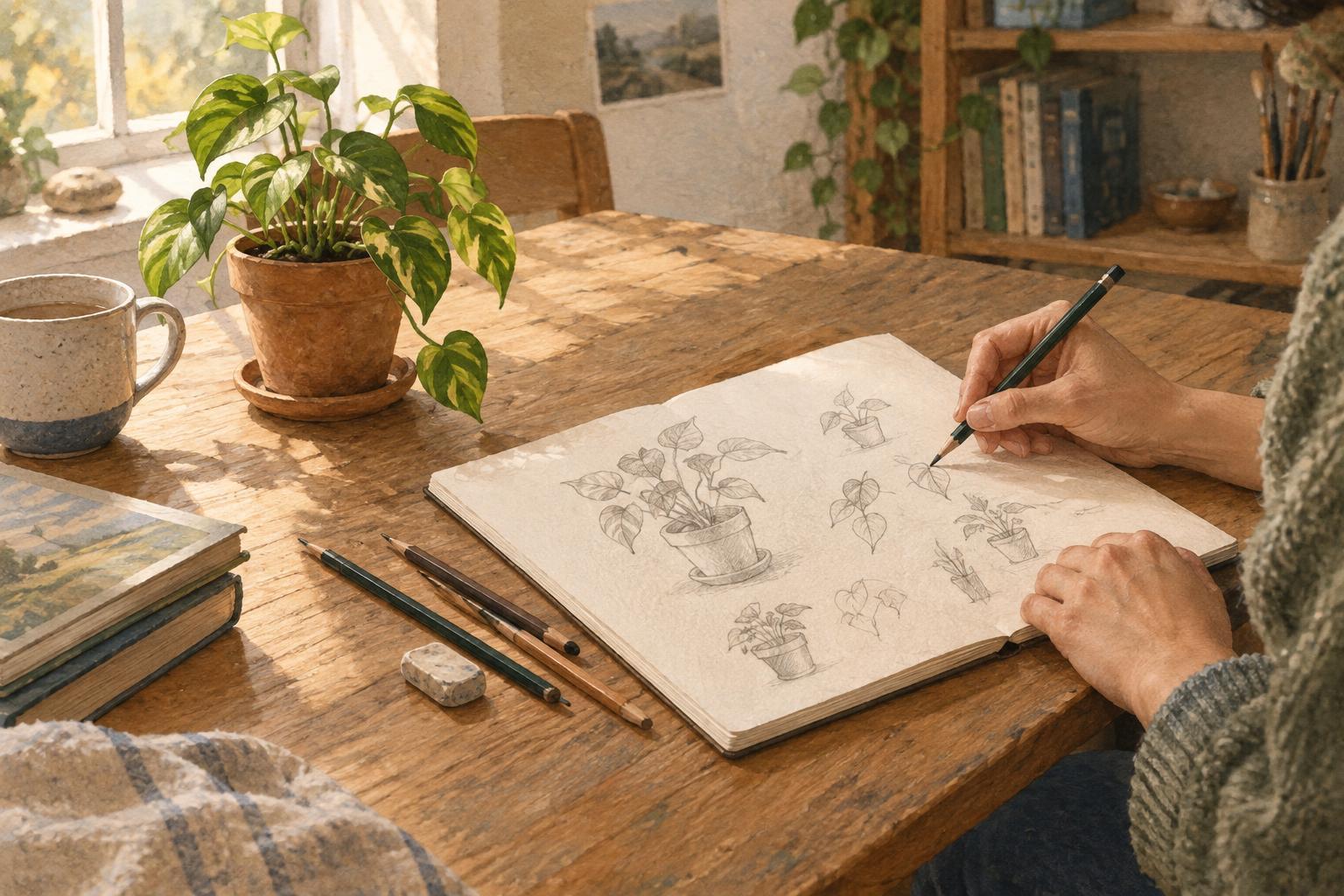
Creative PracticeA long break from drawing can make the first page feel unusually difficult. Start with small, repeatable exercises, choose subjects that hold your attention, and let your practice grow without trying to recover lost time all at once.
Read article · 4 min↗
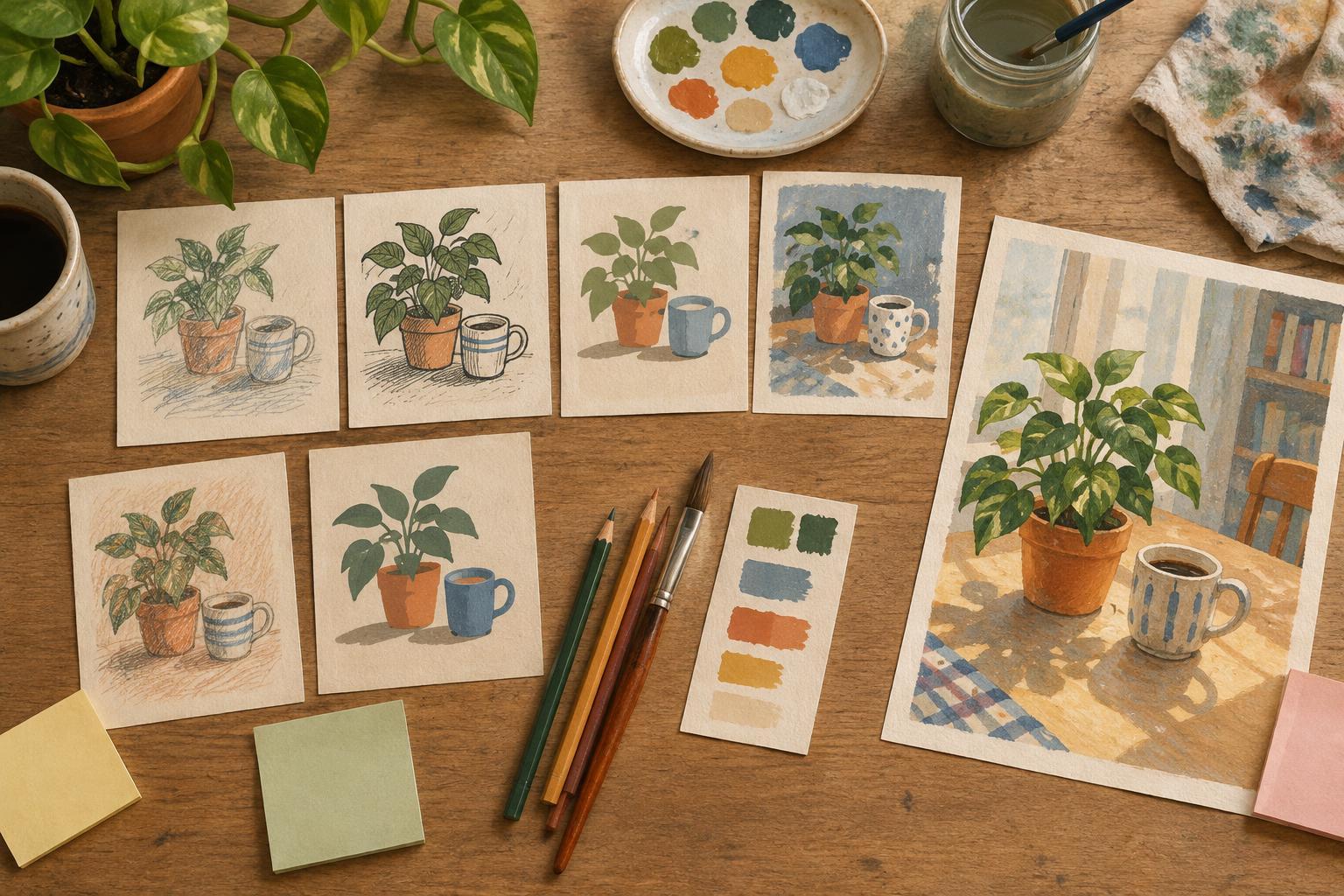
Creative PracticeA new visual style is easier to explore when each drawing asks a small, clear question. Use a repeatable subject, change one decision at a time, and keep notes that help you turn promising tests into a workable approach.
Read article · 4 min↗
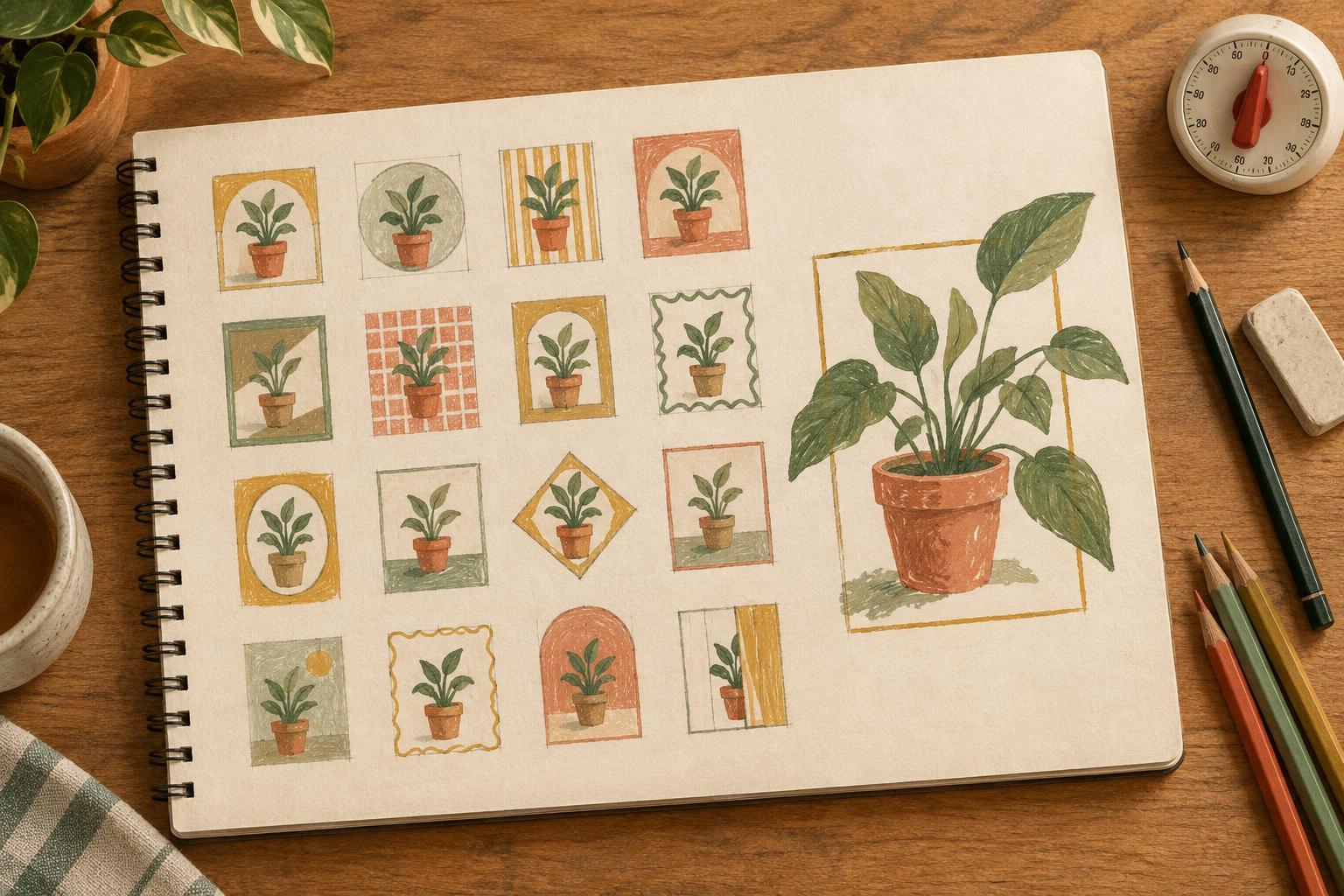
Creative PracticeA blank page can feel less daunting when the possibilities have edges. Learn how to choose useful limits for subject, composition, color and time, then turn them into illustration prompts you can actually draw.
Read article · 4 min↗
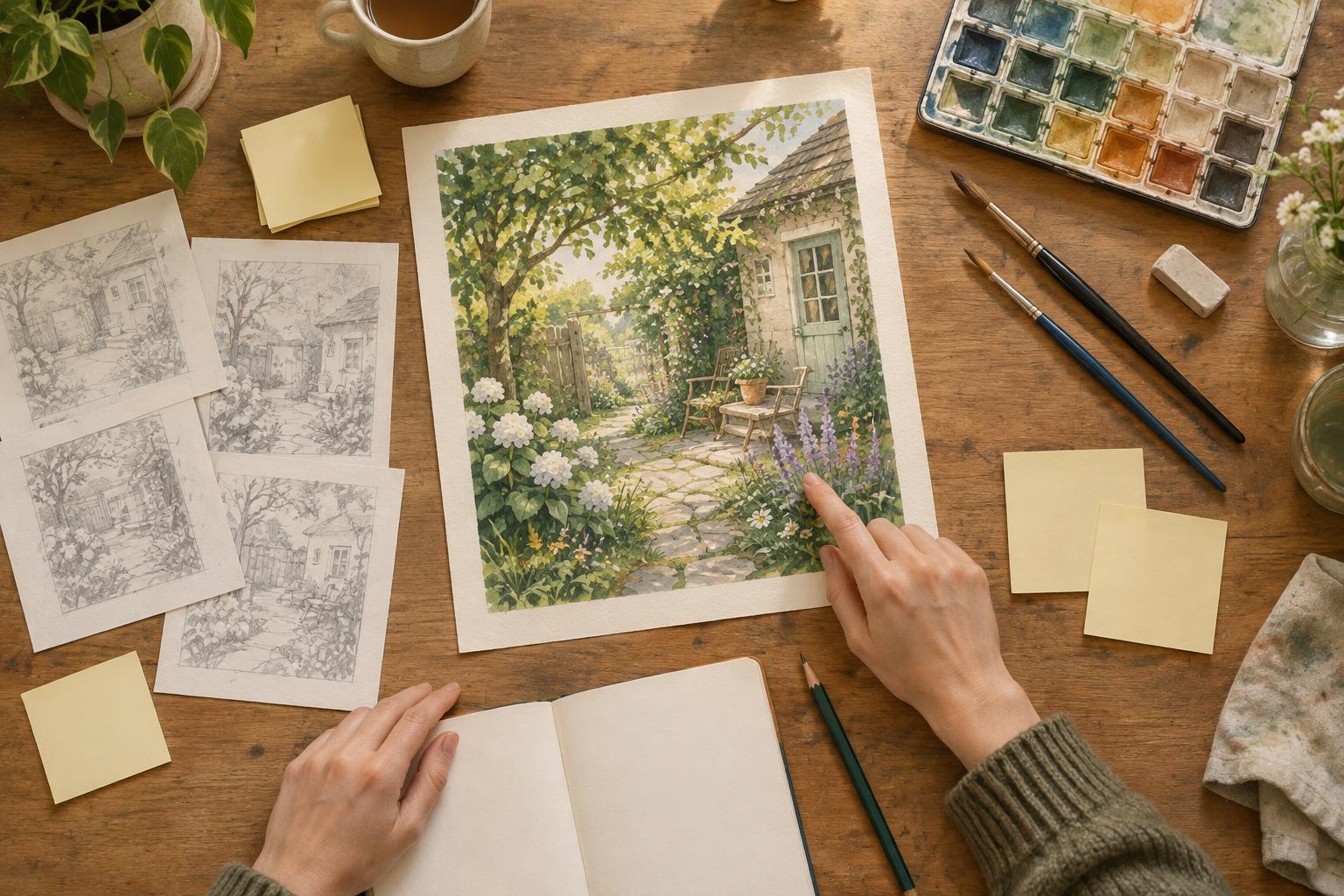
Creative PracticeFinishing an illustration is a useful moment to learn from it. A short review can help you notice which decisions worked, where the process became difficult, and what to try differently next time—without turning every finished piece into a verdict on your ability.
Read article · 4 min↗
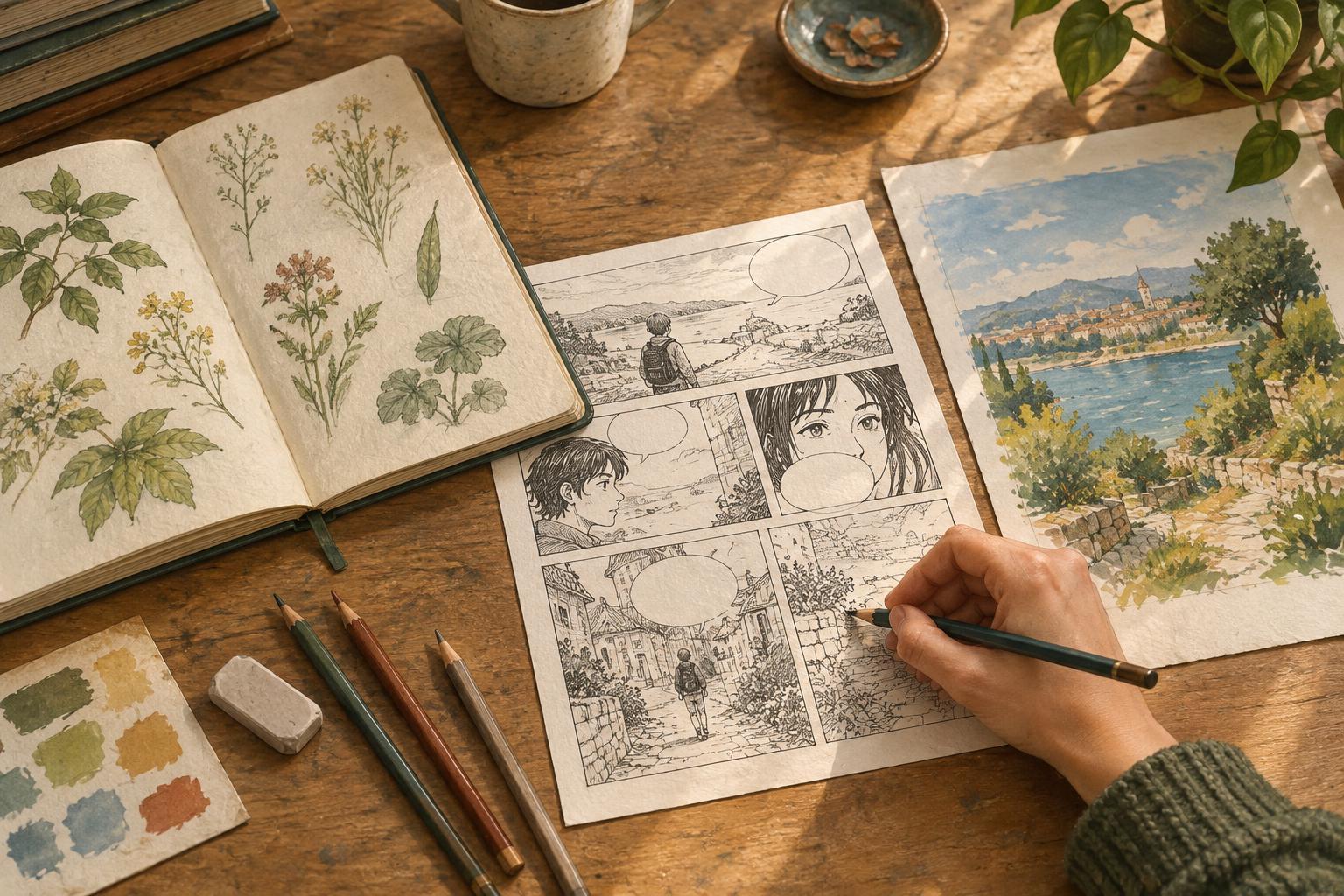
Creative PracticeA sketchbook study, a comic, and an illustration idea can all feel worth your time. Use a small project inventory, a realistic view of your available energy, and a clear stopping point to choose what to draw next without abandoning the rest.
Read article · 4 min↗
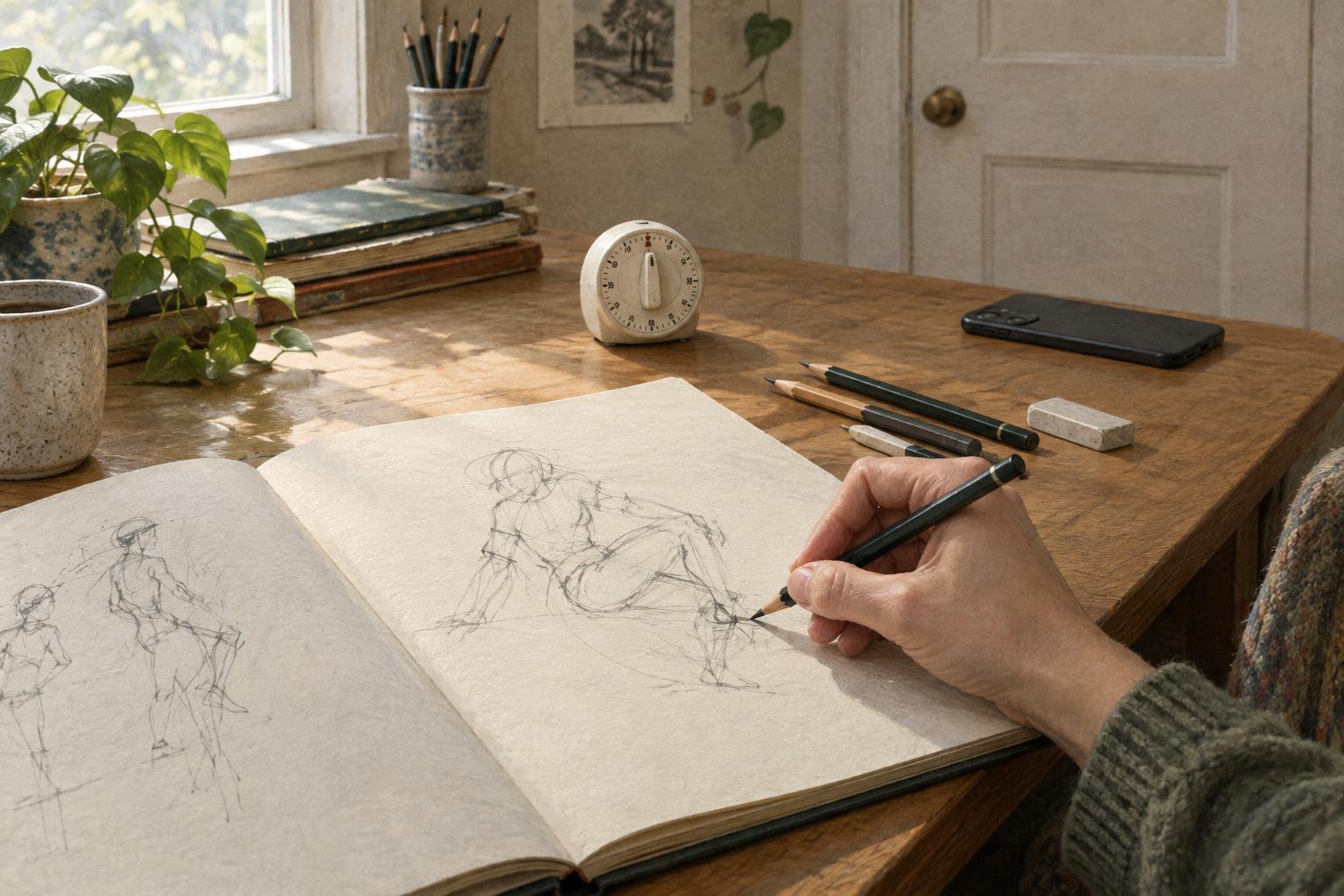
Creative PracticeA focused drawing session does not require a perfect studio or an empty calendar. With a clear task, ready-to-use materials, a few boundaries and a simple way to handle interruptions, you can spend more of your available time drawing.
Read article · 3 min↗
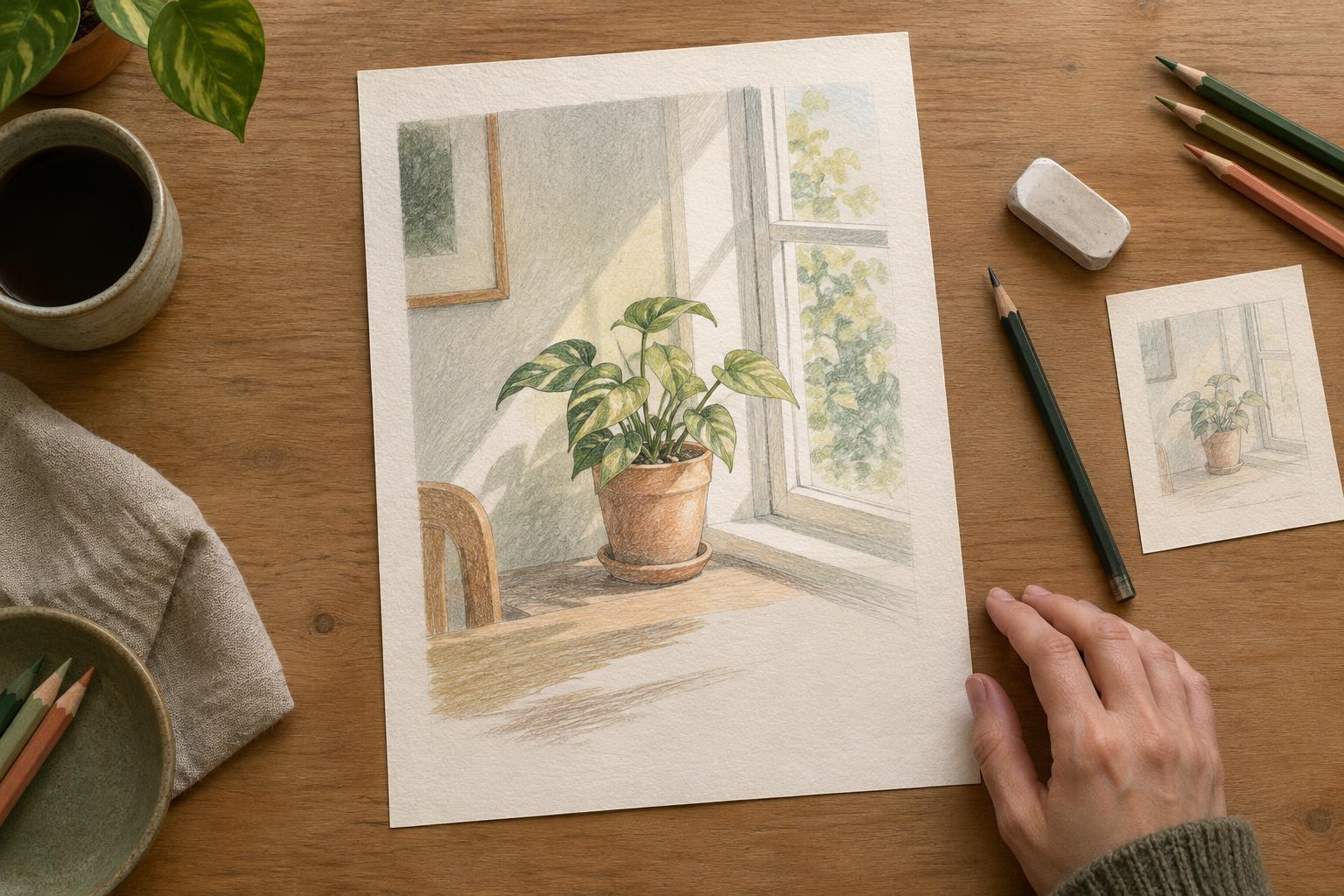
Creative PracticeA finished illustration does not need every possible detail. It needs to communicate clearly and be ready for its intended use. These practical checks can help you decide whether to revise, refine or put the drawing down.
Read article · 4 min↗
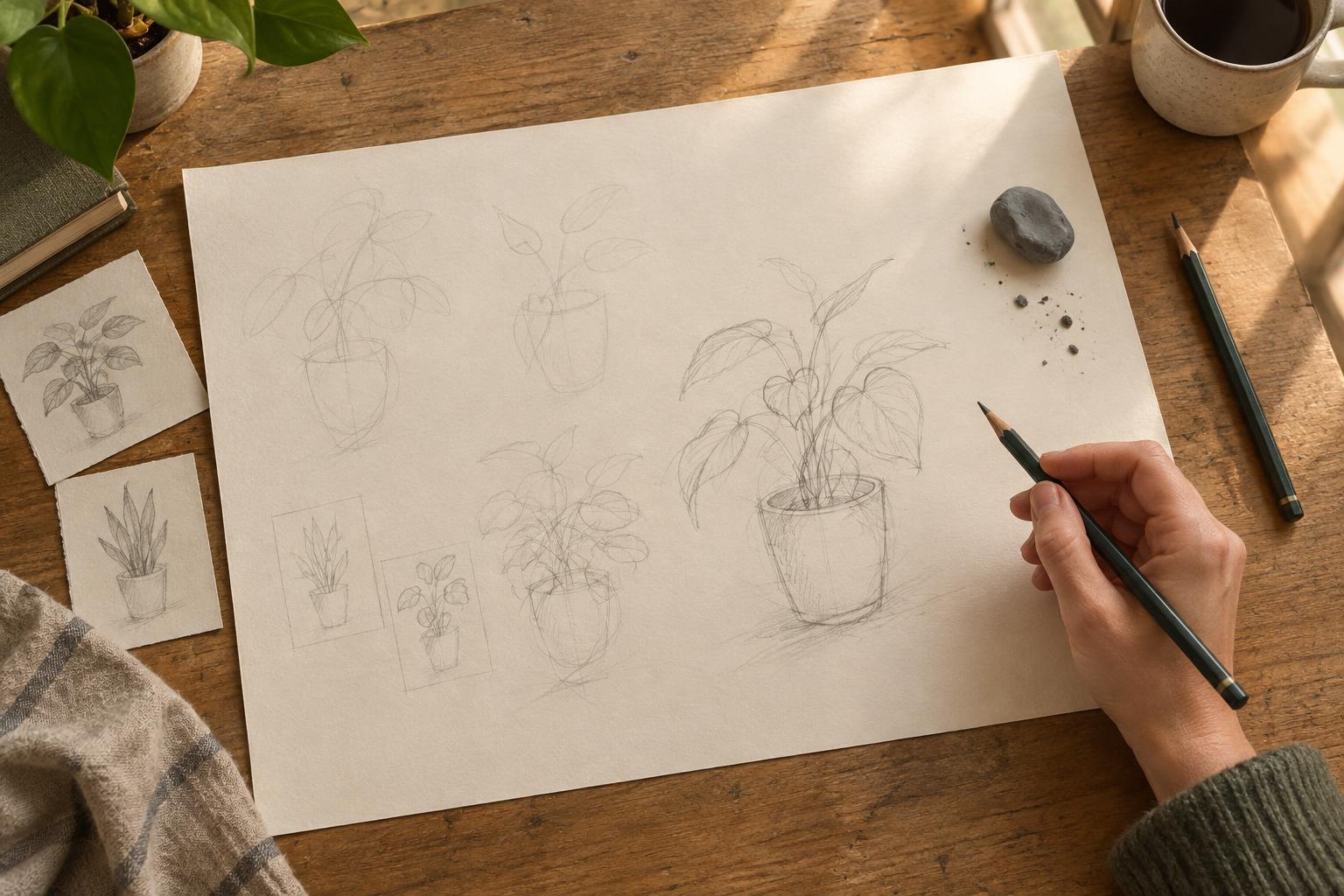
Creative PracticeThe first marks of a drawing can feel unusually important, even when they are only meant to explore an idea. Learn how to use rough sketches, small decisions and clear checkpoints to keep a drawing moving without abandoning care.
Read article · 4 min↗
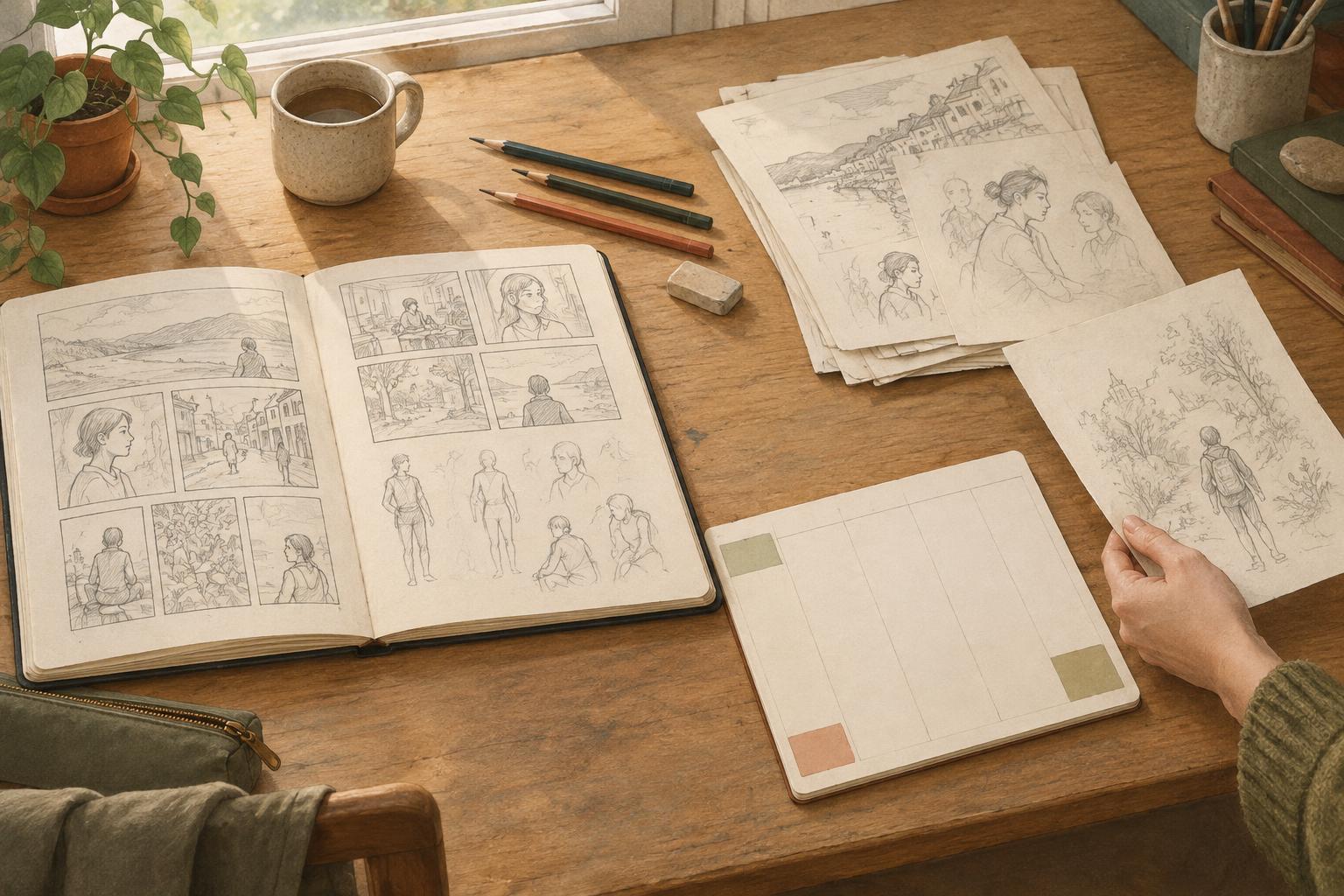
Creative PracticeA full sketchbook and a full schedule are not the same thing. Learn to spot when an illustration or comics workload no longer fits the time and attention available, then make a practical adjustment without abandoning the work that matters.
Read article · 4 min↗
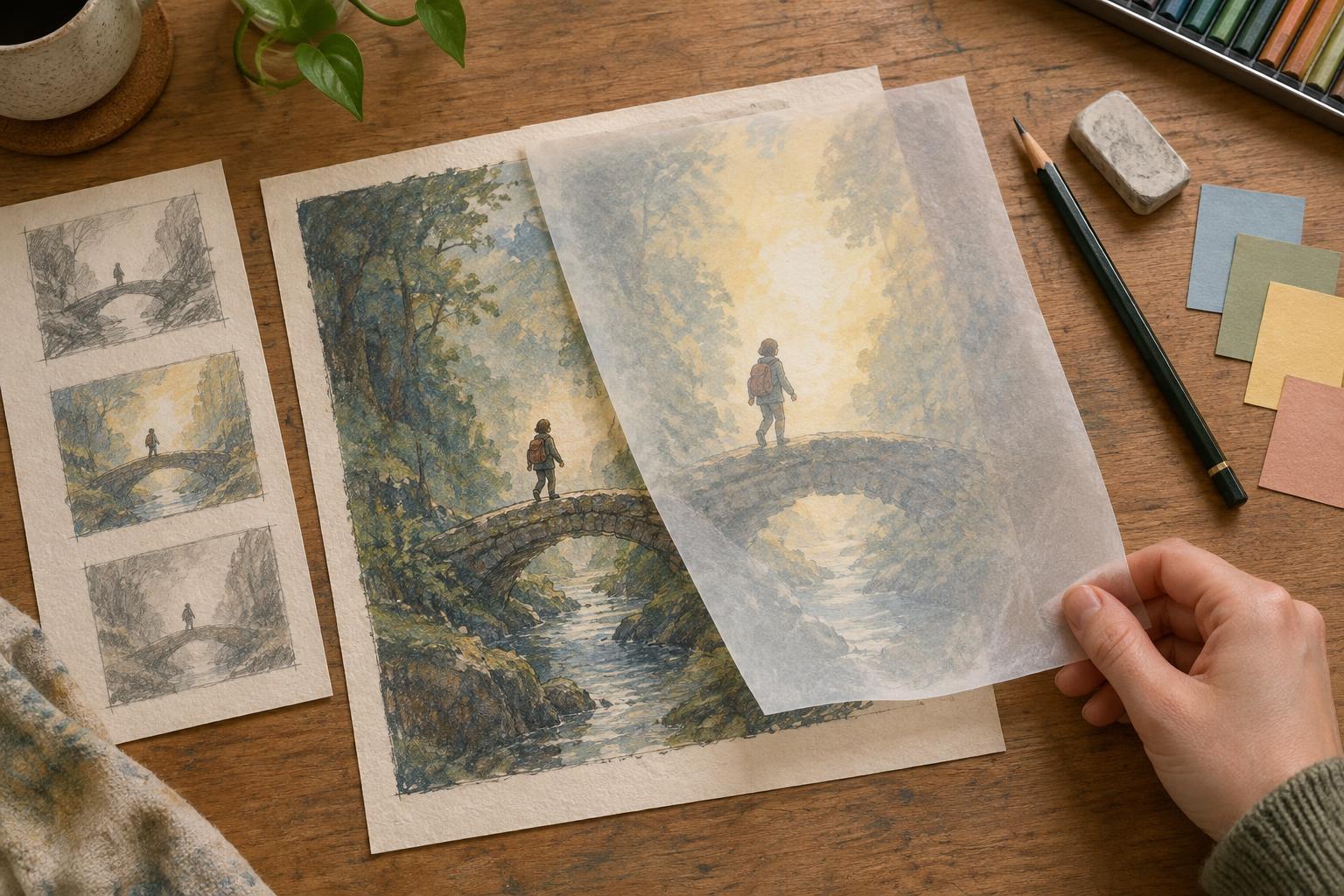
Creative PracticeCritique can reveal where an illustration is unclear, but not every suggestion belongs in the finished piece. A practical revision process begins with the image’s purpose, sorts feedback by the problem it identifies, and tests changes before committing to them.
Read article · 4 min↗
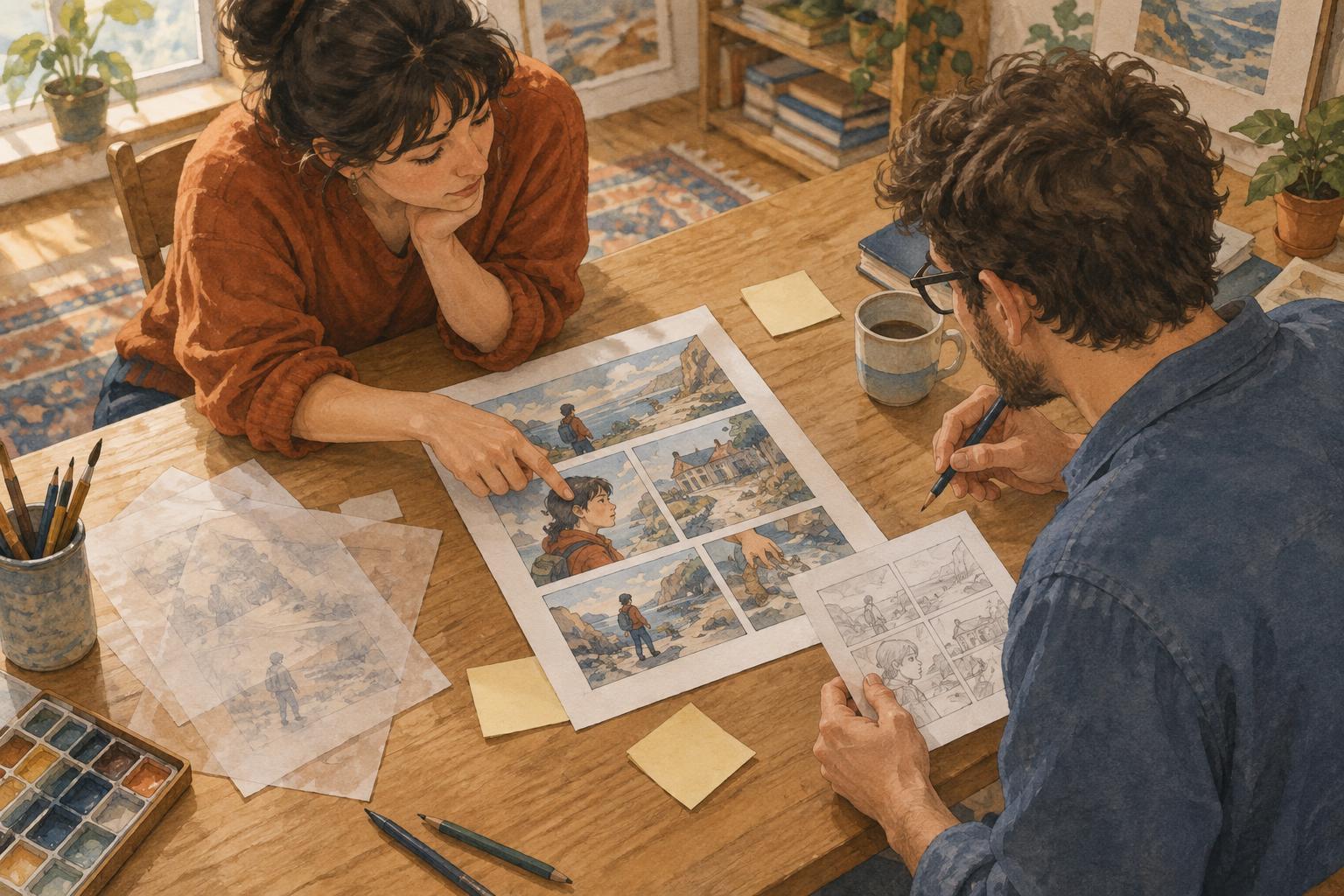
Creative Practice“What do you think?” can lead to encouragement, silence or a list of changes you did not need. A better critique starts with a clear goal, a few focused questions and a plan for testing what you hear. Here is a practical way to ask for feedback on illustrations and comics without handing over every creative decision.
Read article · 4 min↗
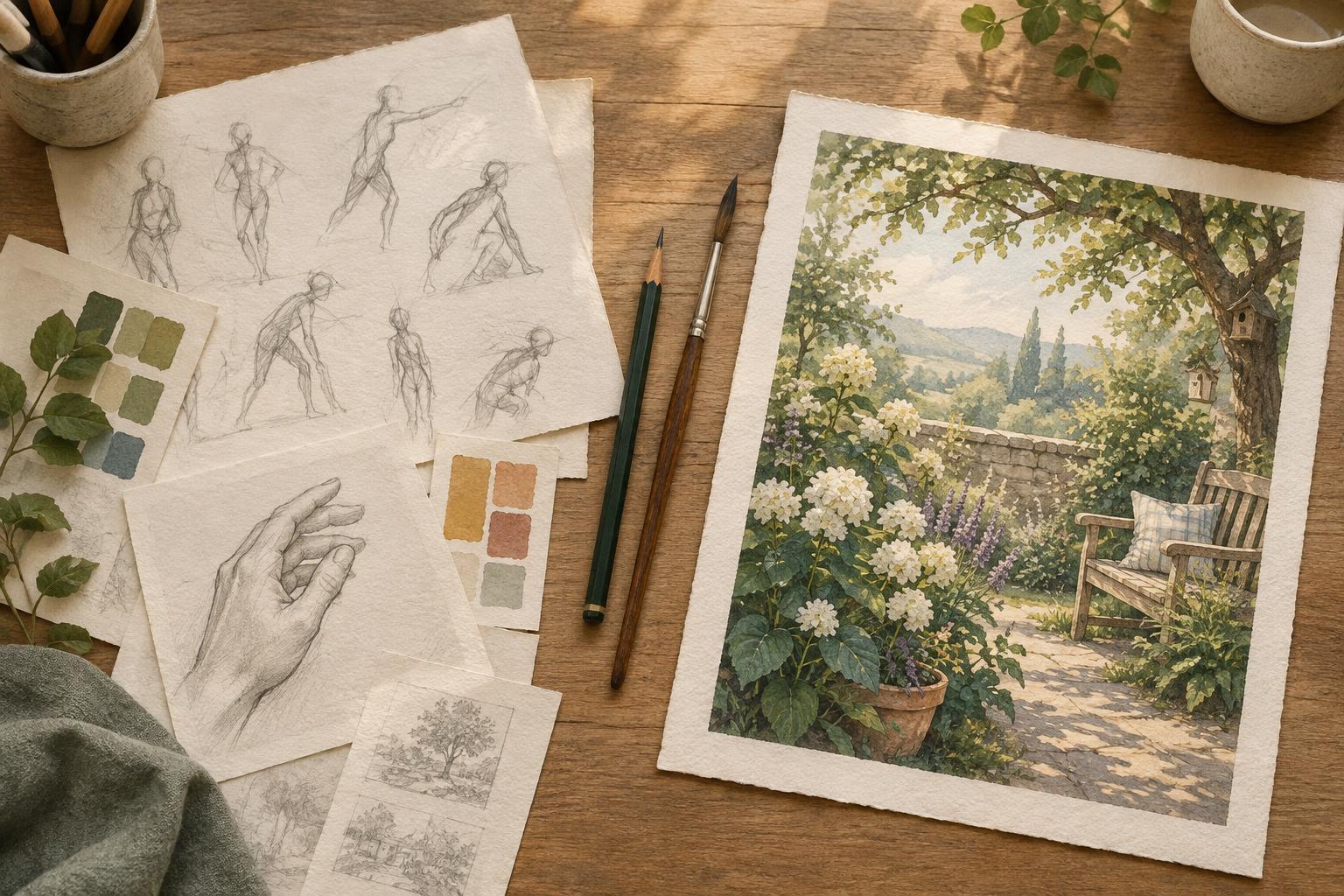
Creative PracticeSkill studies help illustrators isolate problems; finished pieces ask them to make decisions in context. A sustainable practice needs both. Here is a way to connect short exercises to completed work without turning every drawing session into a test.
Read article · 3 min↗
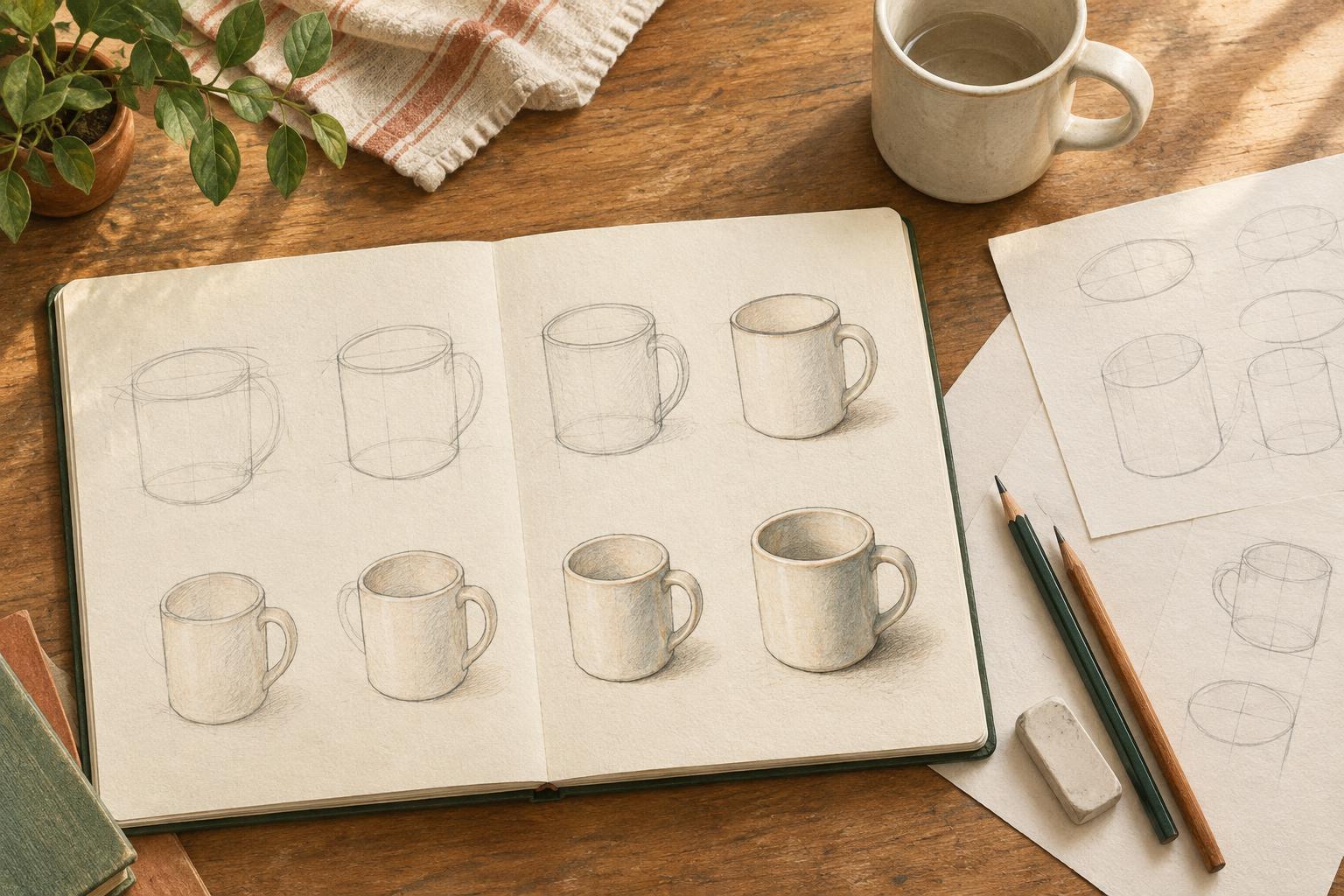
Creative PracticeA useful drawing challenge does not have to be a daily marathon. Choose one skill, repeat a manageable exercise, and review what changes. This guide shows how to set a clear goal, vary your prompts without losing focus, and finish with something you can learn from.
Read article · 4 min↗
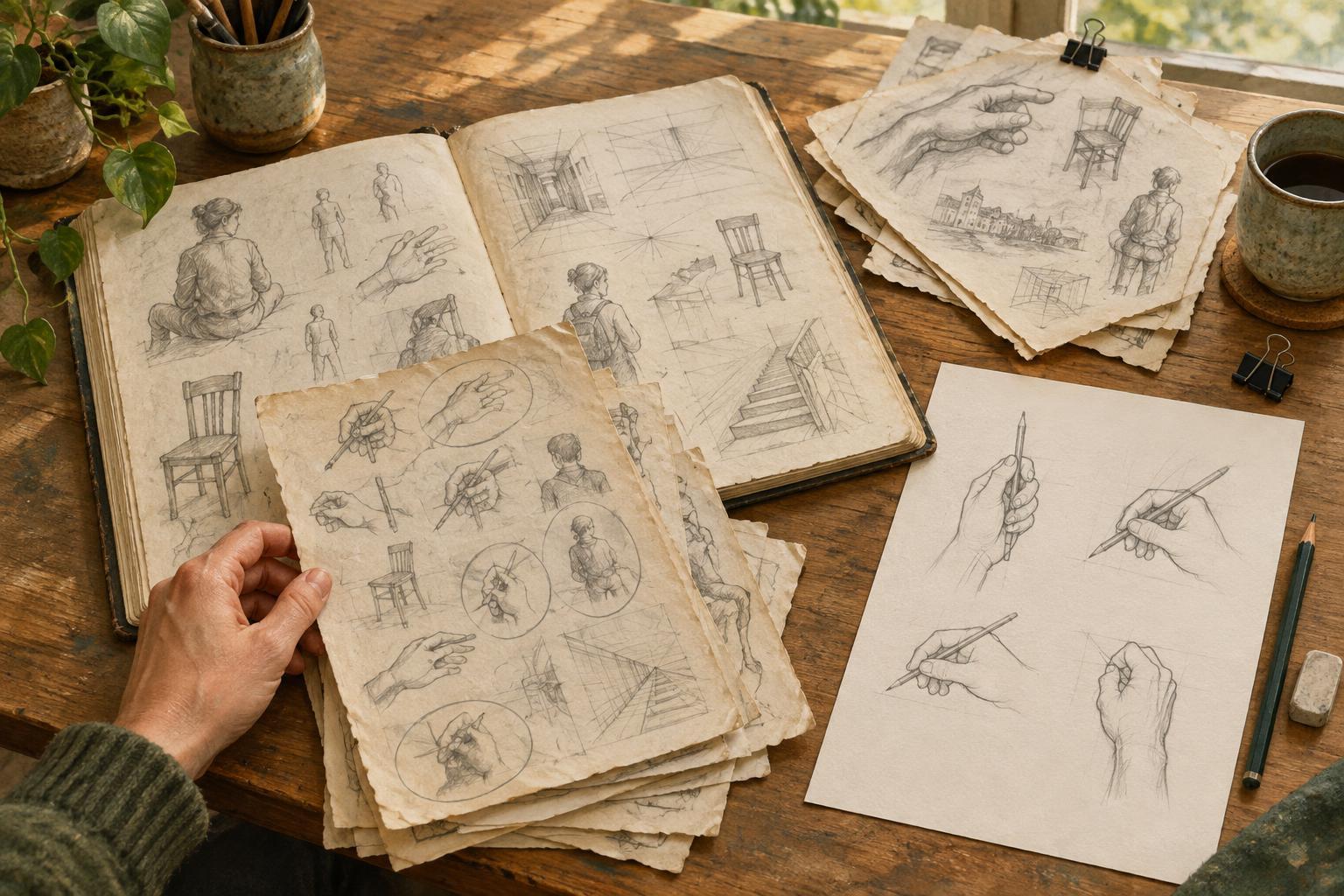
Creative PracticeA stack of old sketches can show more than how your drawing has changed. Learn to review past work without turning it into a verdict, spot recurring challenges, and turn one observation into a useful practice plan.
Read article · 4 min↗
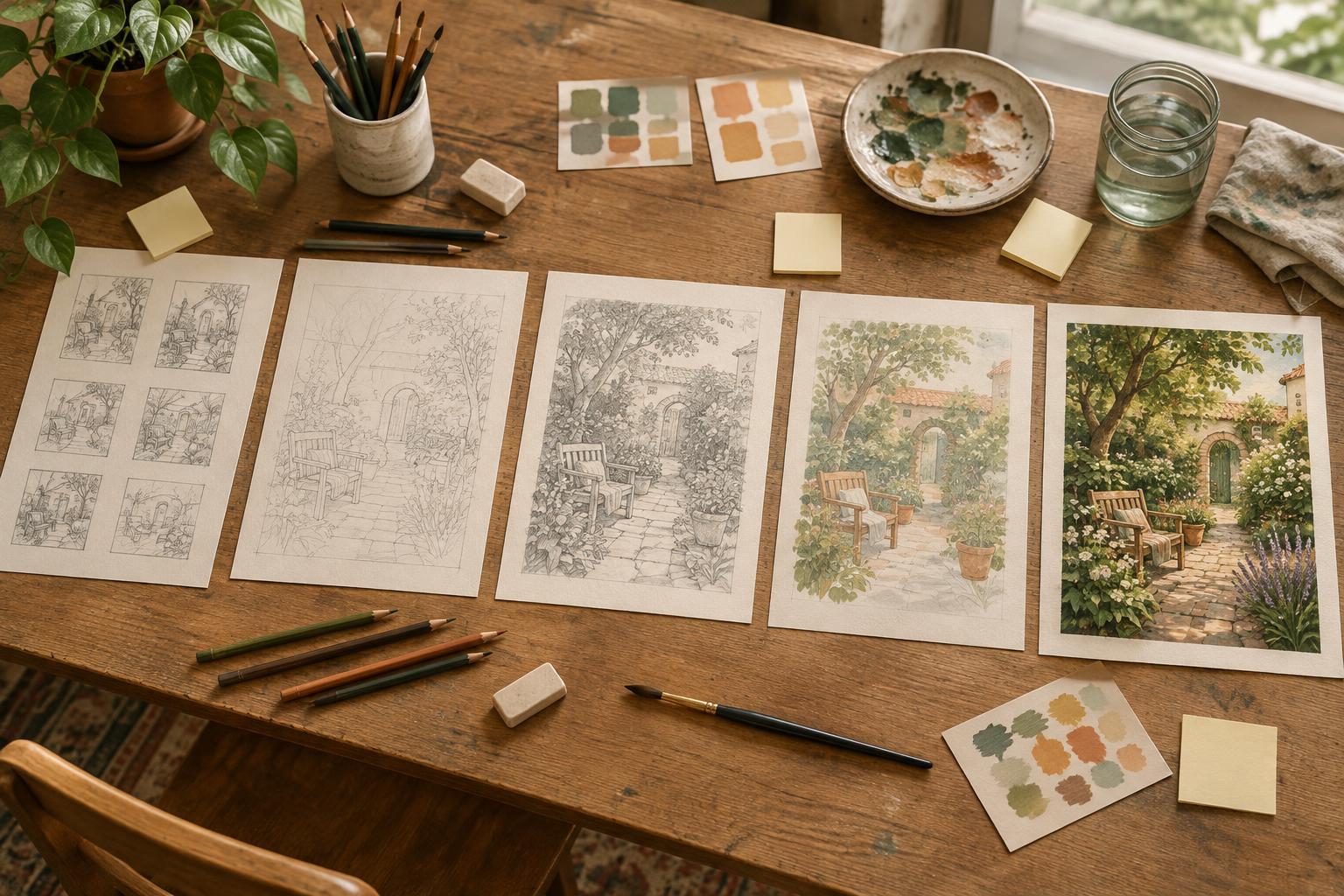
Creative PracticeA large illustration becomes easier to navigate when each stage has a clear purpose and a visible result. This guide shows how to move from a broad idea to a finished image through small decisions, useful checkpoints and a realistic revision plan.
Read article · 4 min↗
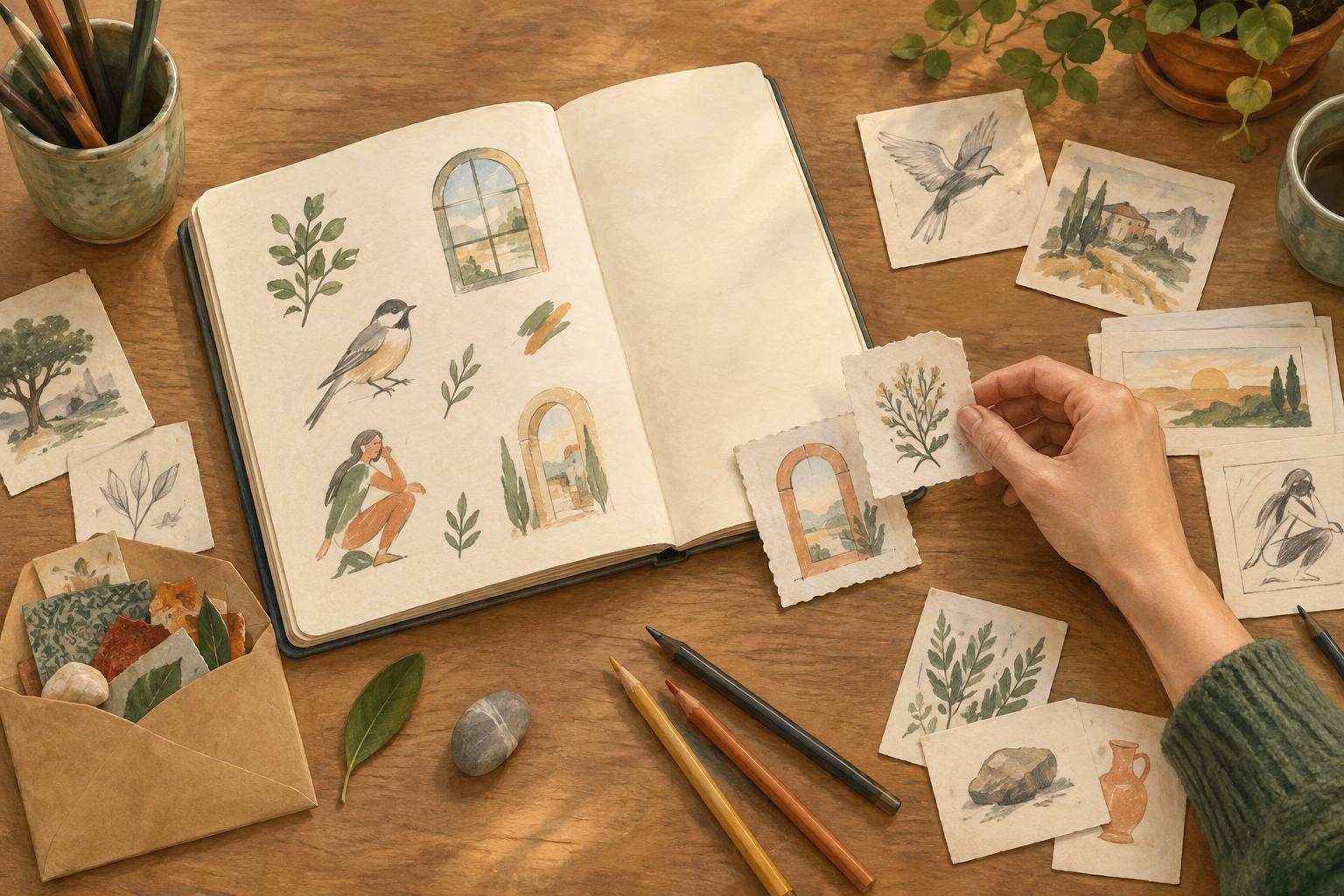
Creative PracticeAn idea bank gives passing observations, loose sketches and half-formed questions somewhere to wait until they are useful. Learn how to capture ideas quickly, organize them lightly and turn promising fragments into illustration prompts.
Read article · 4 min↗
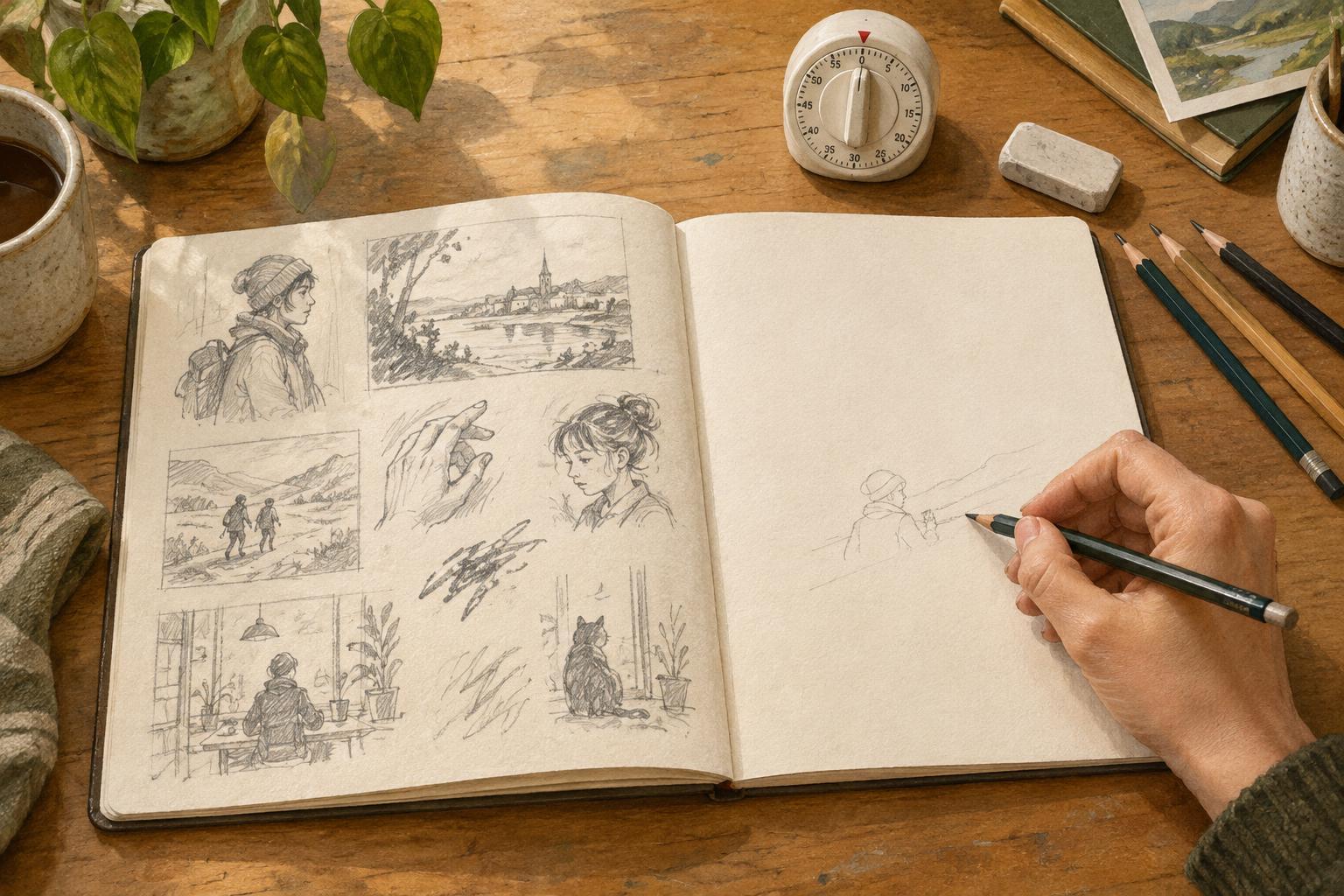
Creative PracticeA blank page can make every first mark feel too important. Short sketch sessions lower the stakes by giving you a small task, a clear stopping point and permission to explore without finishing anything. Here’s how to make them useful for illustration and visual storytelling.
Read article · 4 min↗
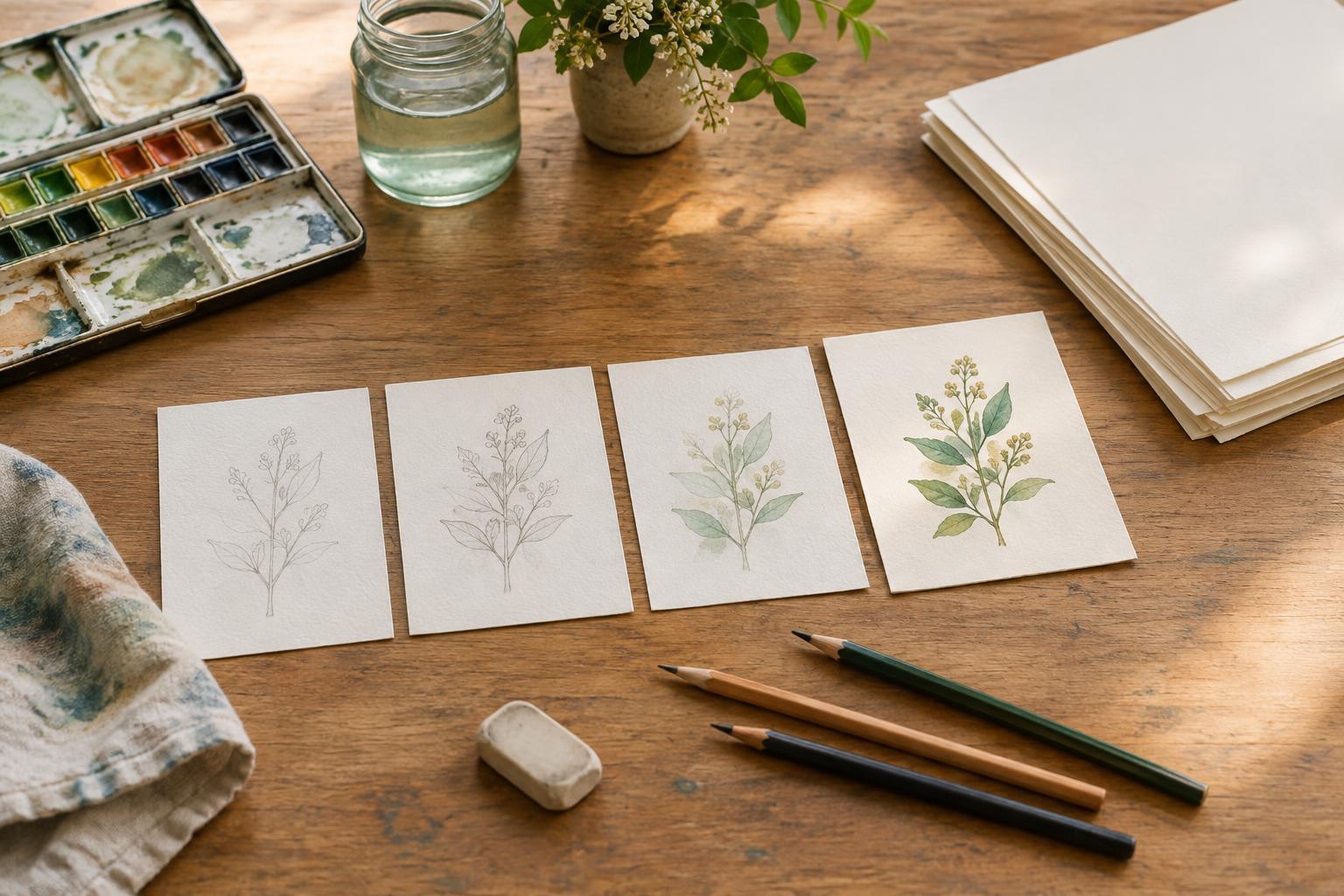
Creative PracticeA useful illustration goal does more than describe the image you hope to make. It defines a manageable scope, a clear finish line and a way to keep working when the first plan needs to change.
Read article · 3 min↗
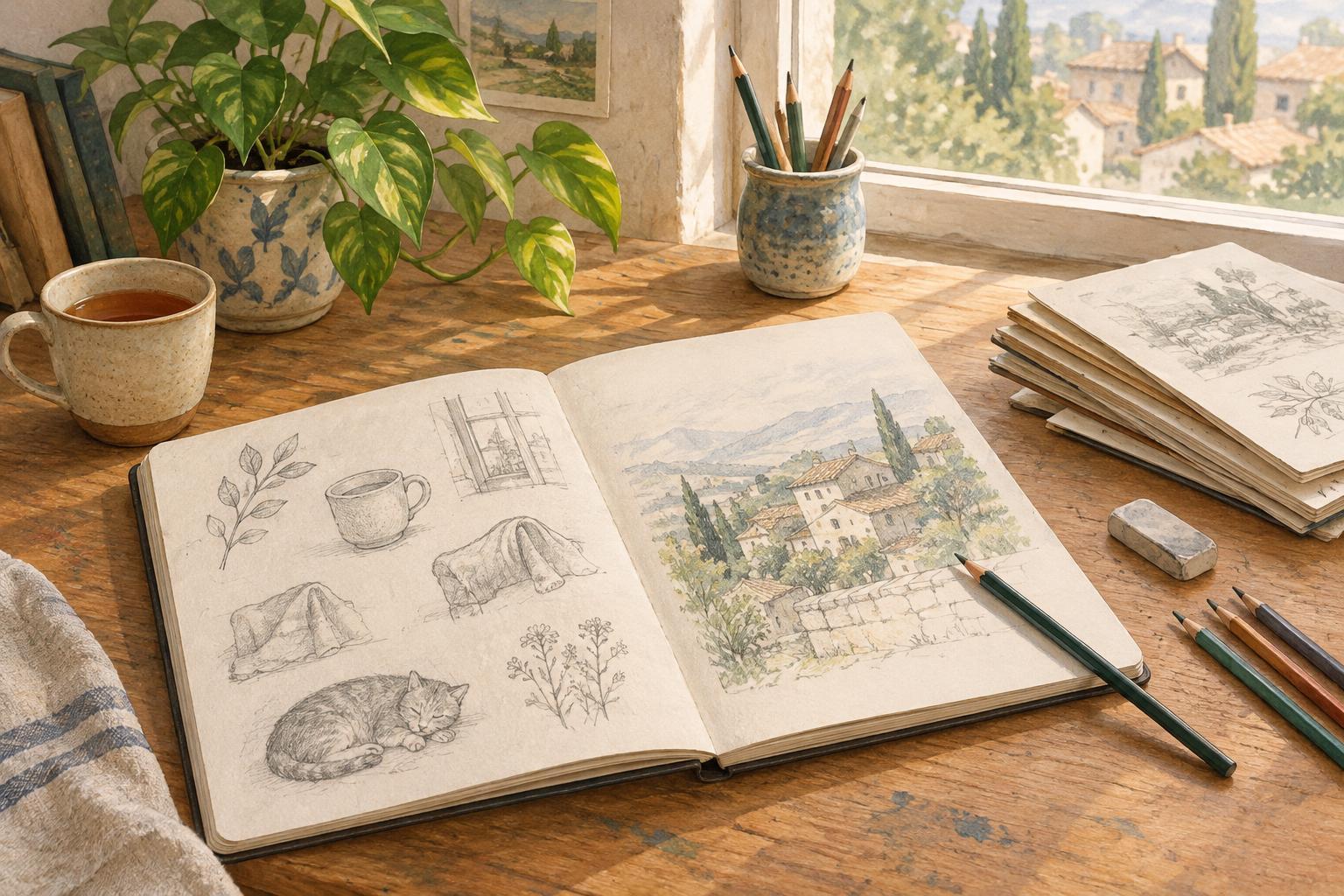
Creative PracticeA drawing routine works best when it fits the life you have. Learn how to set a manageable weekly rhythm, give each session a purpose, make room for longer projects and return without guilt when plans change.
Read article · 4 min↗