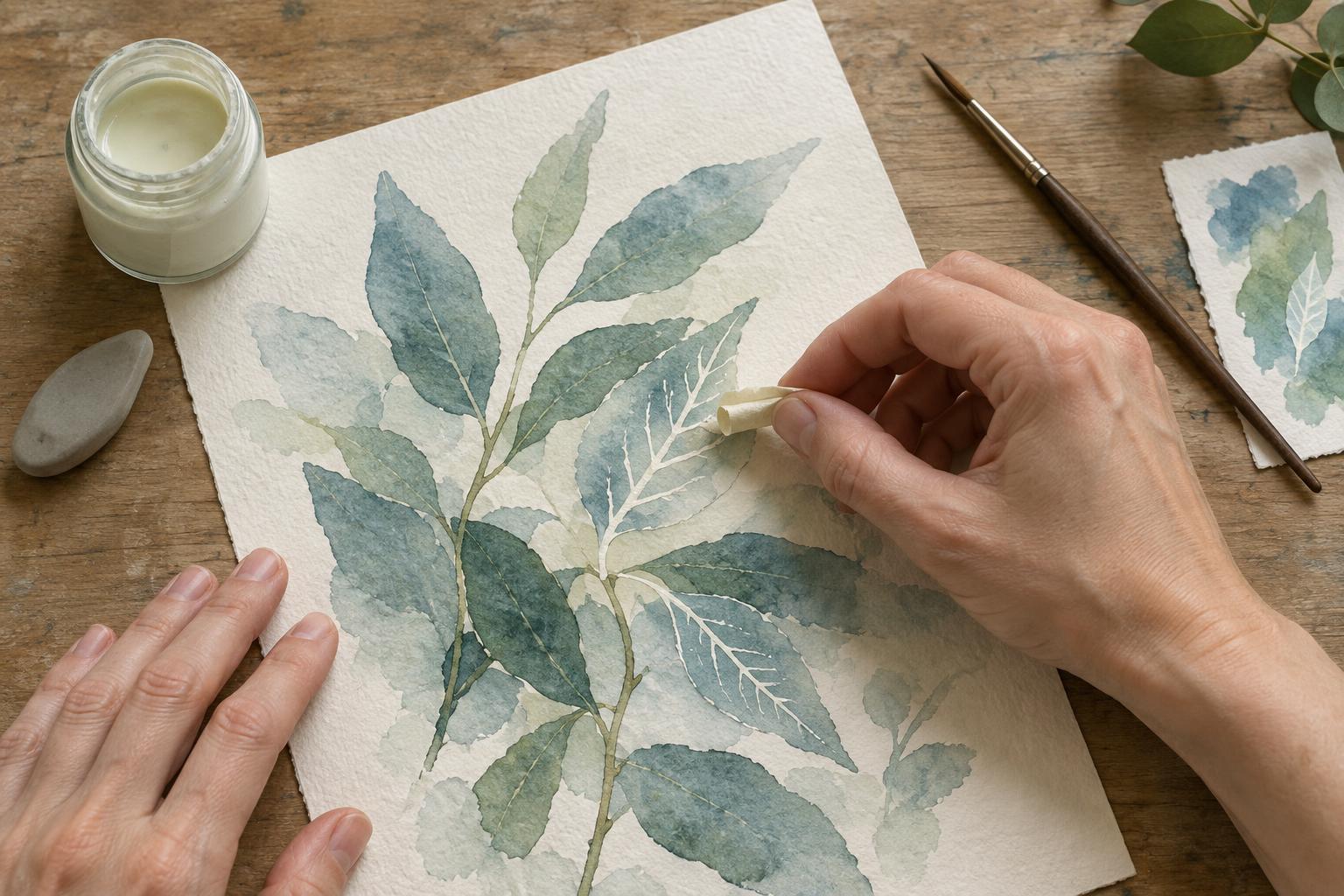
Materials and ToolsMasking fluid can preserve small white shapes while you paint, but it can also lift paper fibers or leave stubborn residue. Learn when to use it, how to apply it, and how to remove it gently.
Read article · 4 min↗
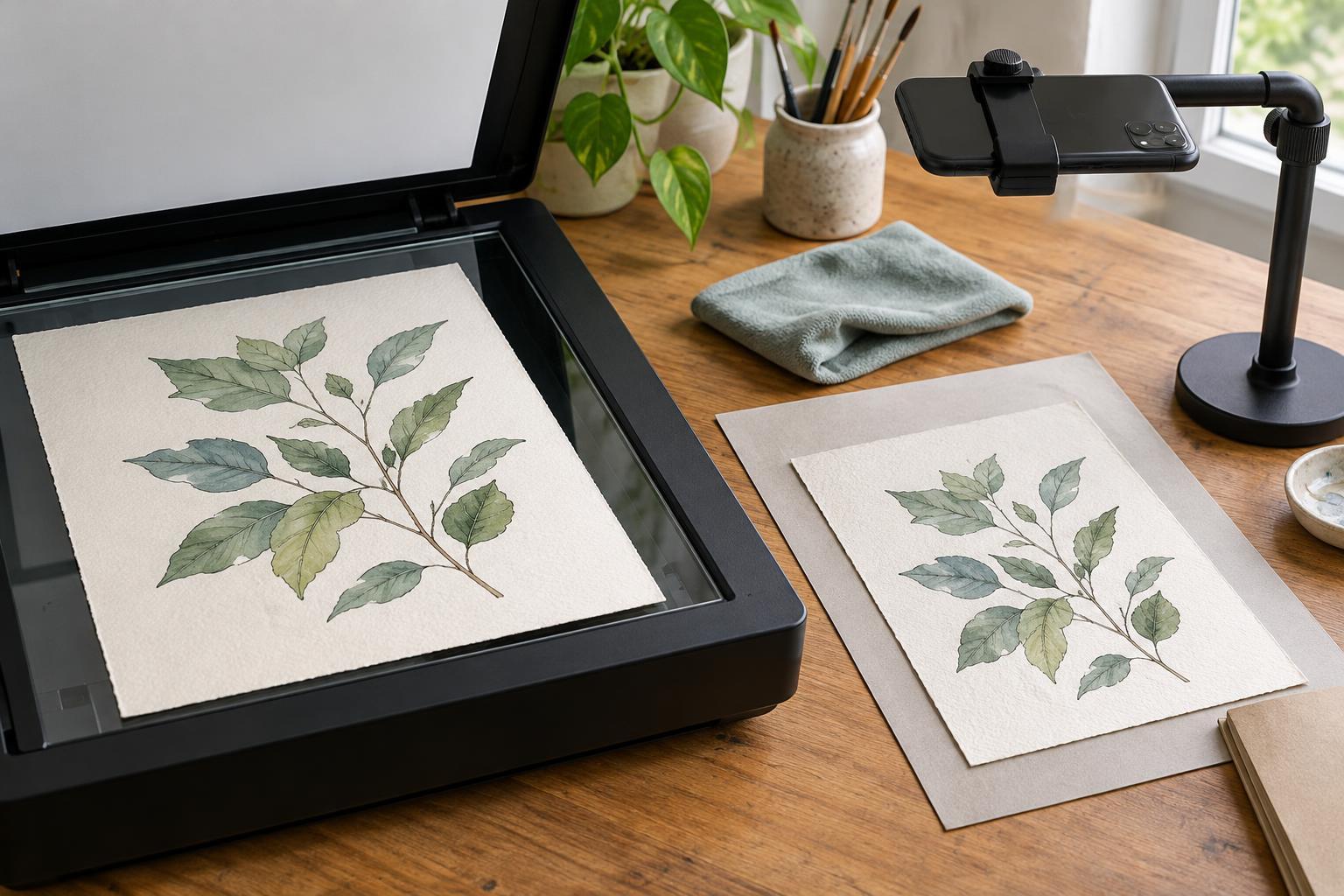
Materials and ToolsA scanner and a phone camera can both turn a drawing into a useful digital file. The better choice depends on the artwork’s size, surface, and texture, as well as how you plan to use the image. Here is a practical workflow for getting a clear, faithful result with either tool.
Read article · 4 min↗
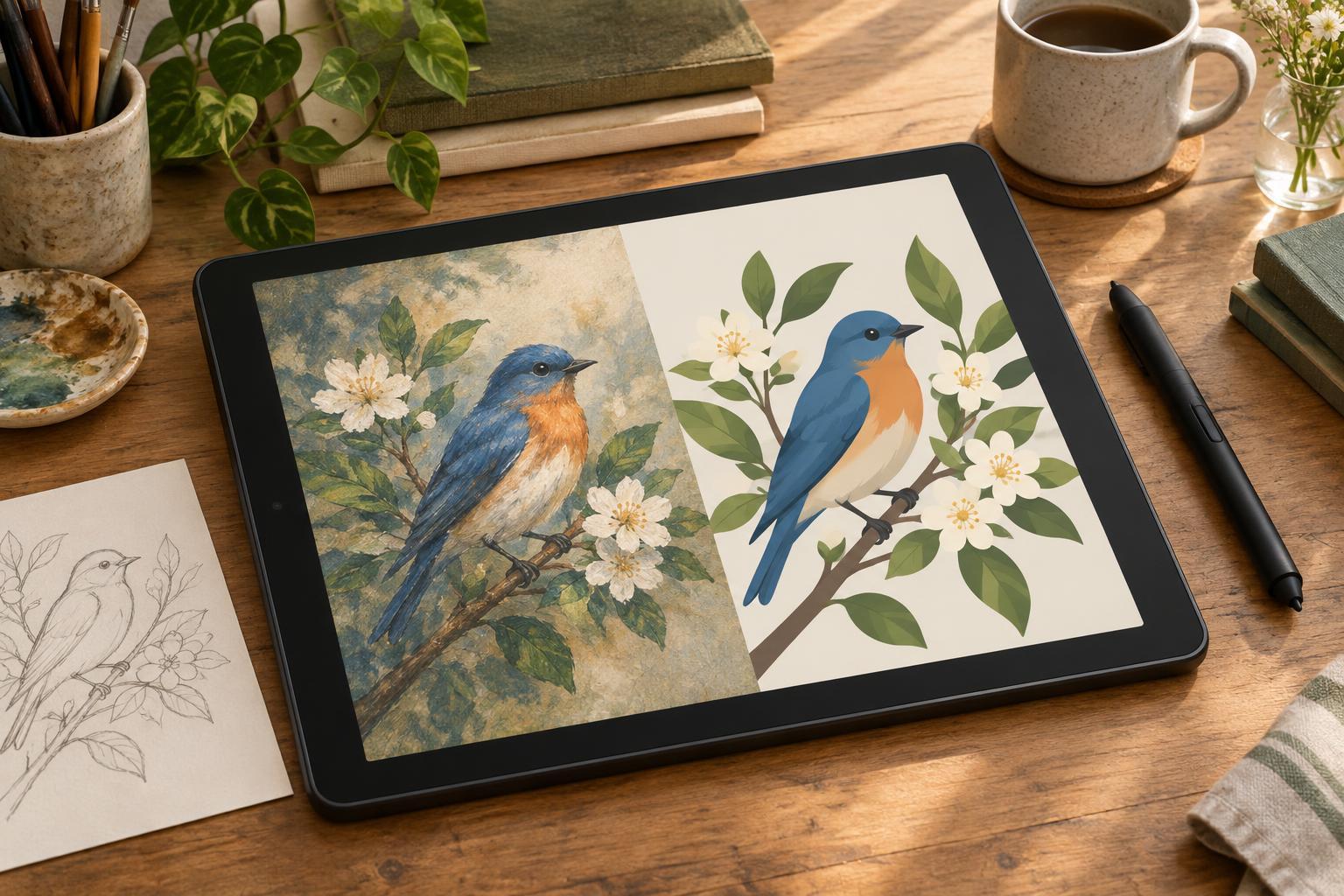
Materials and ToolsRaster apps paint with pixels; vector apps build shapes from paths. Learn how each approach affects texture, editing, scaling and file handoff, then use a short drawing test to choose a workflow that suits your illustrations.
Read article · 4 min↗
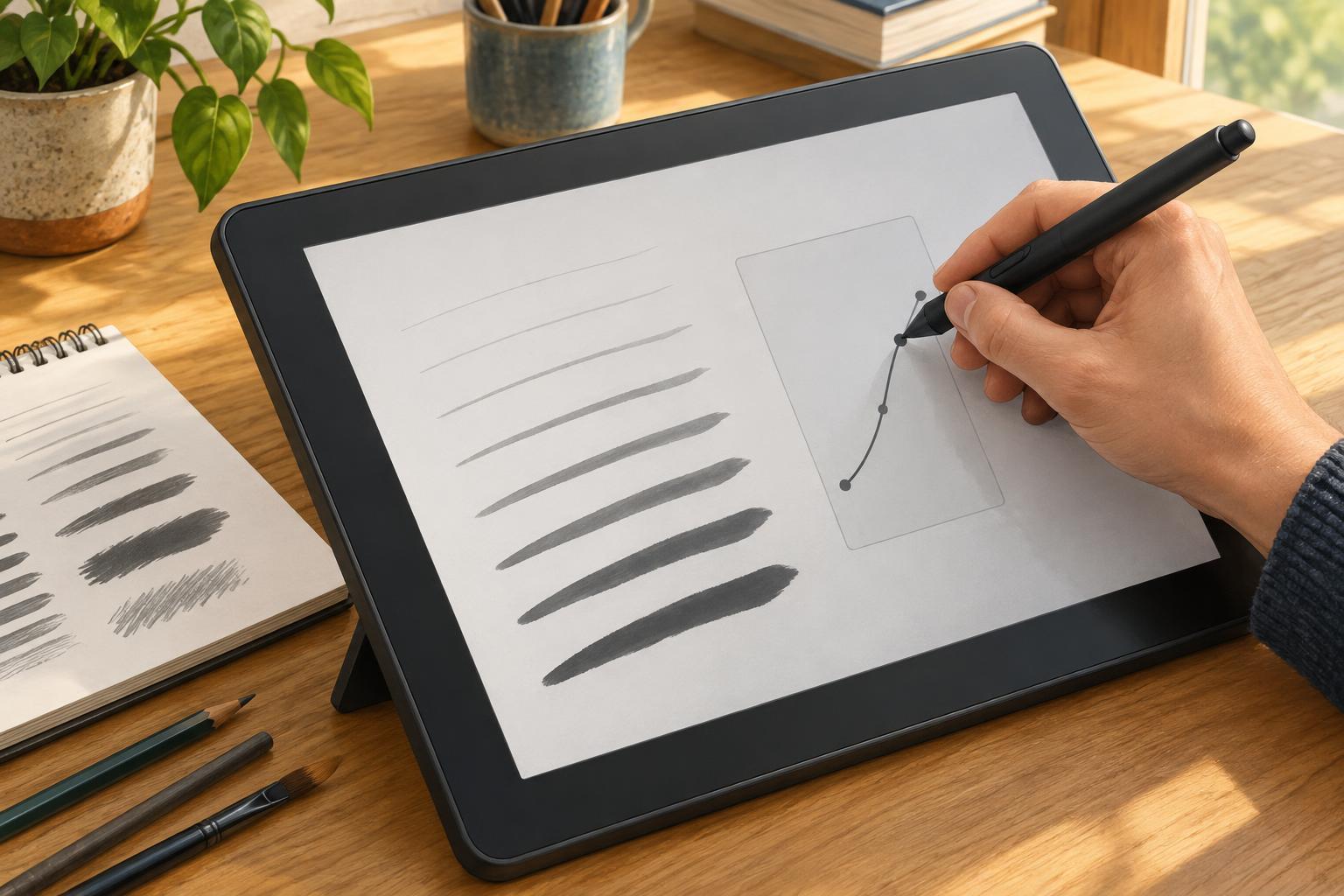
Materials and ToolsIf a digital brush jumps from thin to thick or refuses to make a light mark, the problem may be the pressure response rather than your drawing hand. Learn how to test your stylus, adjust its pressure curve, and build a repeatable setup for illustration and comics.
Read article · 4 min↗
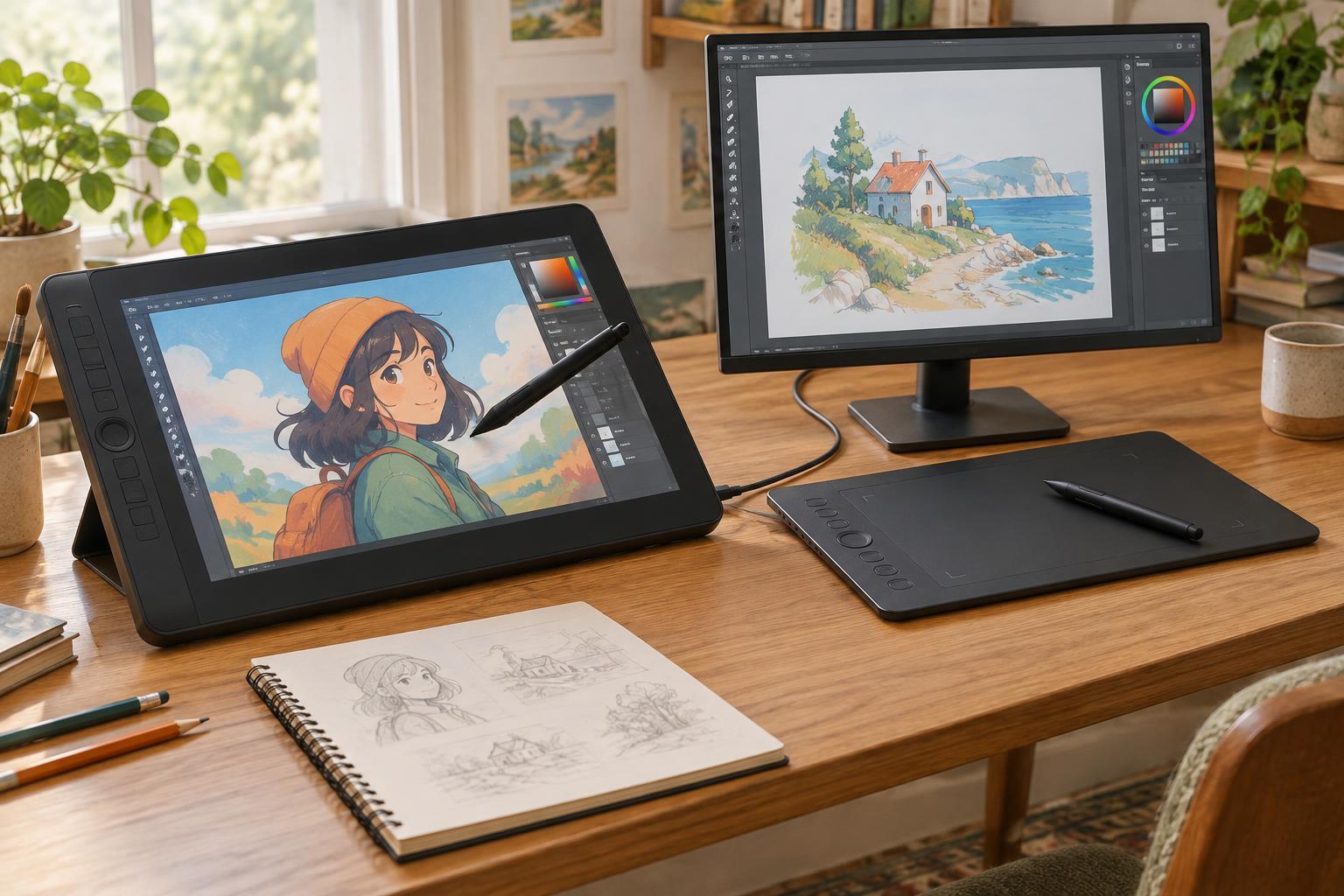
Materials and ToolsA screen tablet lets you draw where you look; a pen tablet keeps your hand on the desk and your eyes on a separate monitor. This guide compares the feel, workspace needs, ergonomics and costs of each so you can choose a surface that suits your drawing routine.
Read article · 5 min↗
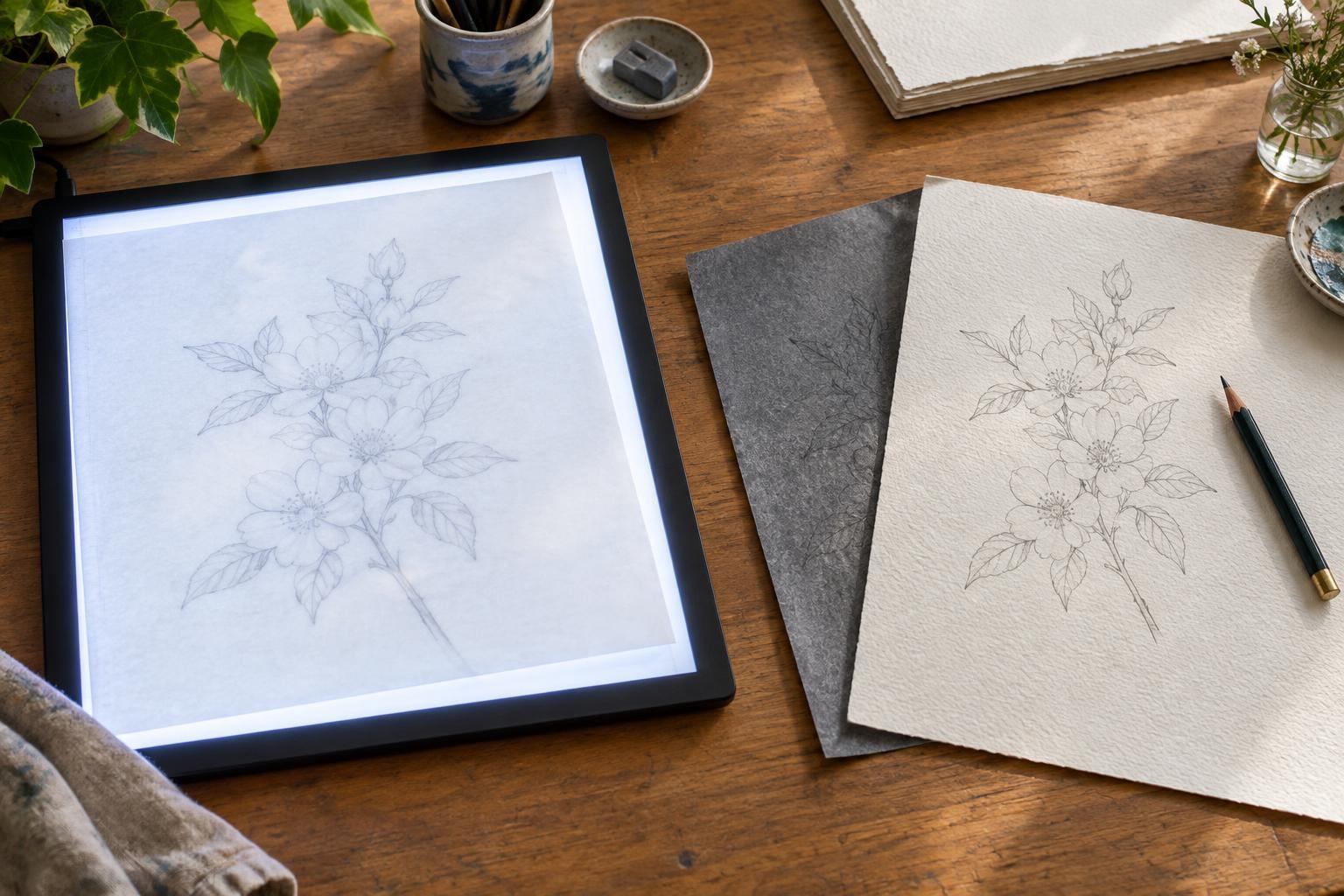
Materials and ToolsA light box and transfer paper can both help move a sketch onto final paper, but they leave different kinds of marks and work best with different surfaces. Learn how to choose between them and keep the final drawing clean.
Read article · 4 min↗
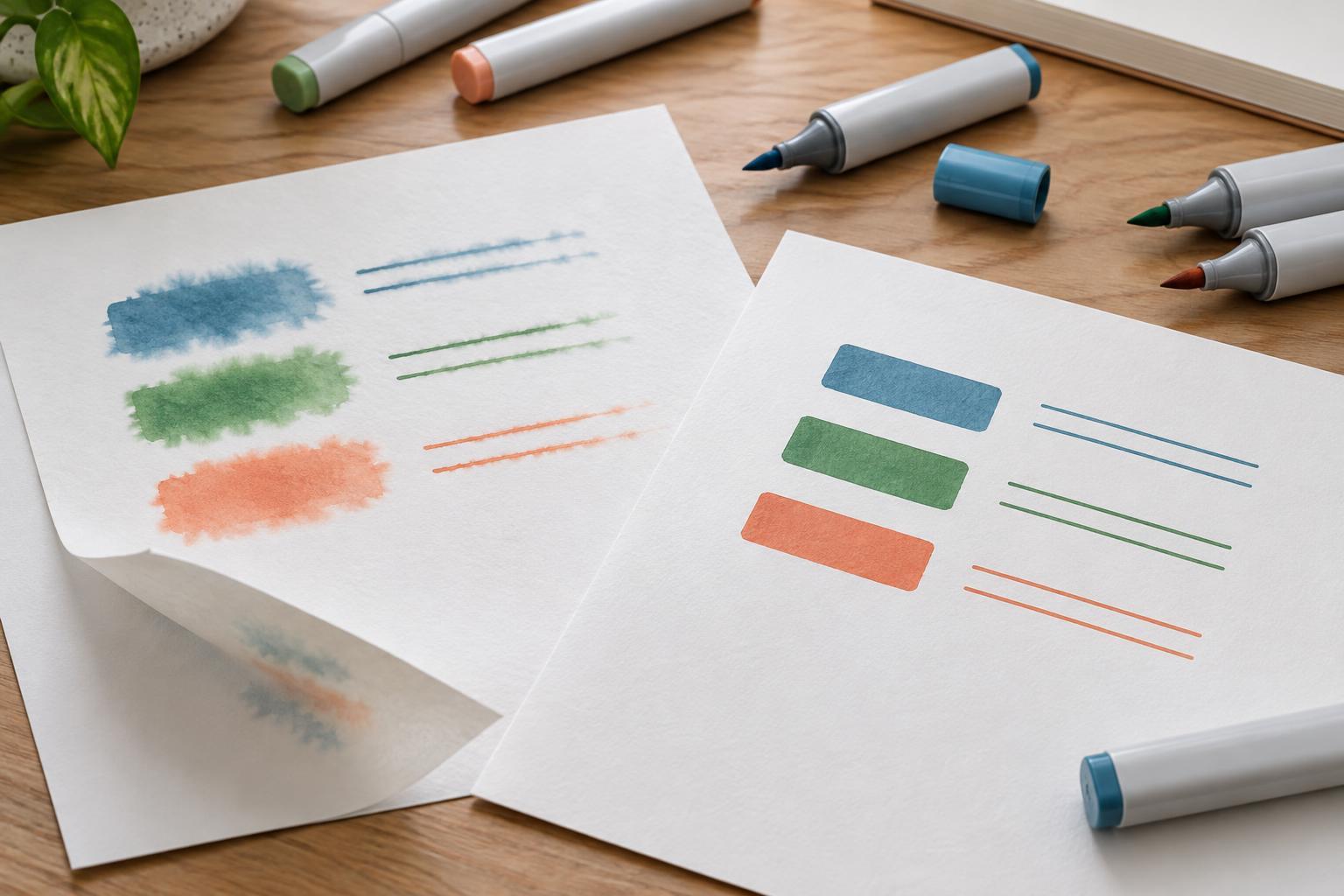
Materials and ToolsMarker paper can look smooth and still let ink spread or soak through. Learn how surface treatment, absorbency, marker type and simple test swatches can help you choose paper for cleaner lines and more predictable color.
Read article · 4 min↗
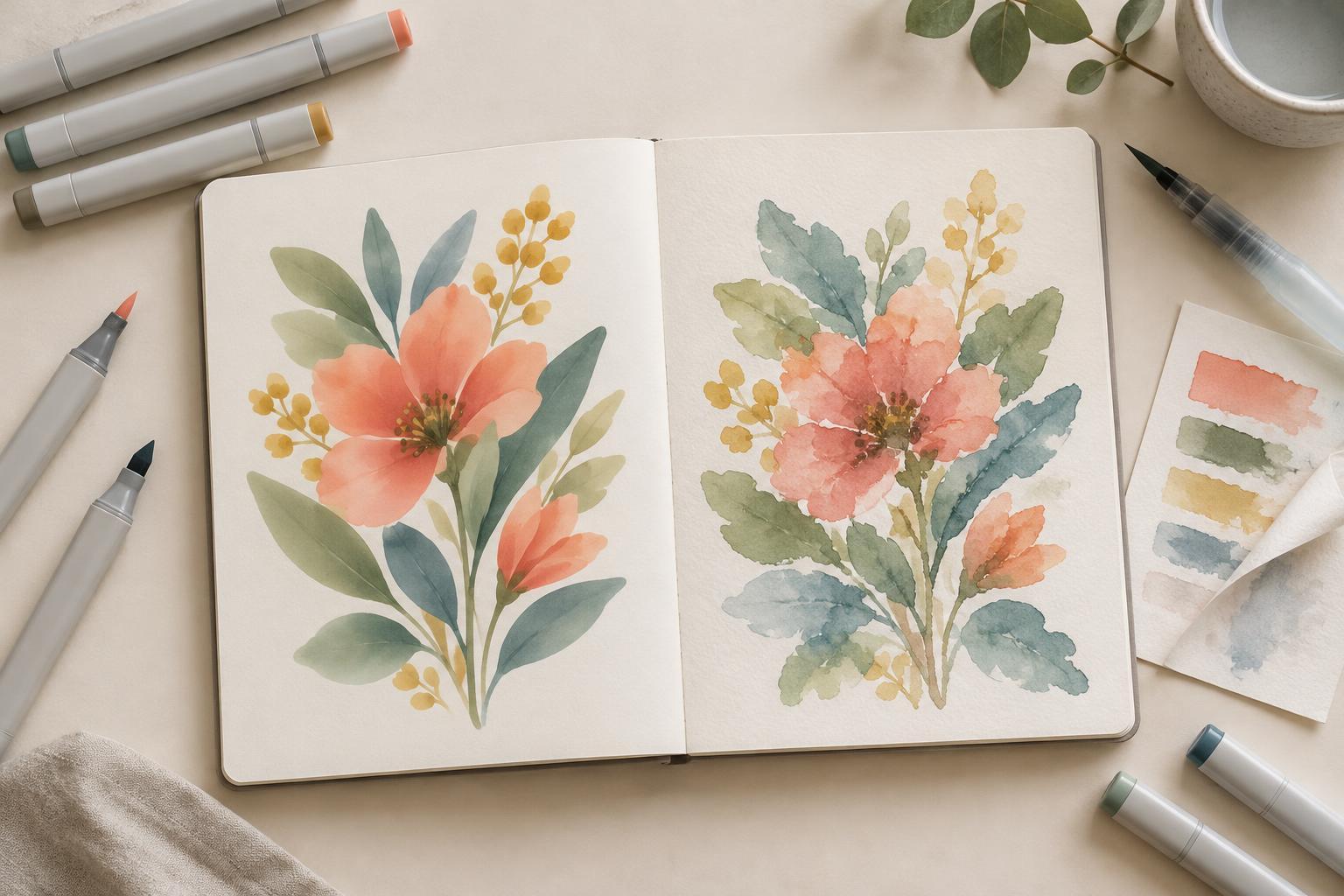
Materials and ToolsAlcohol and water-based markers can produce very different marks, even when their colors look similar in the cap. Learn how they behave on paper, what to test before starting an illustration, and which qualities matter most for your way of working.
Read article · 4 min↗
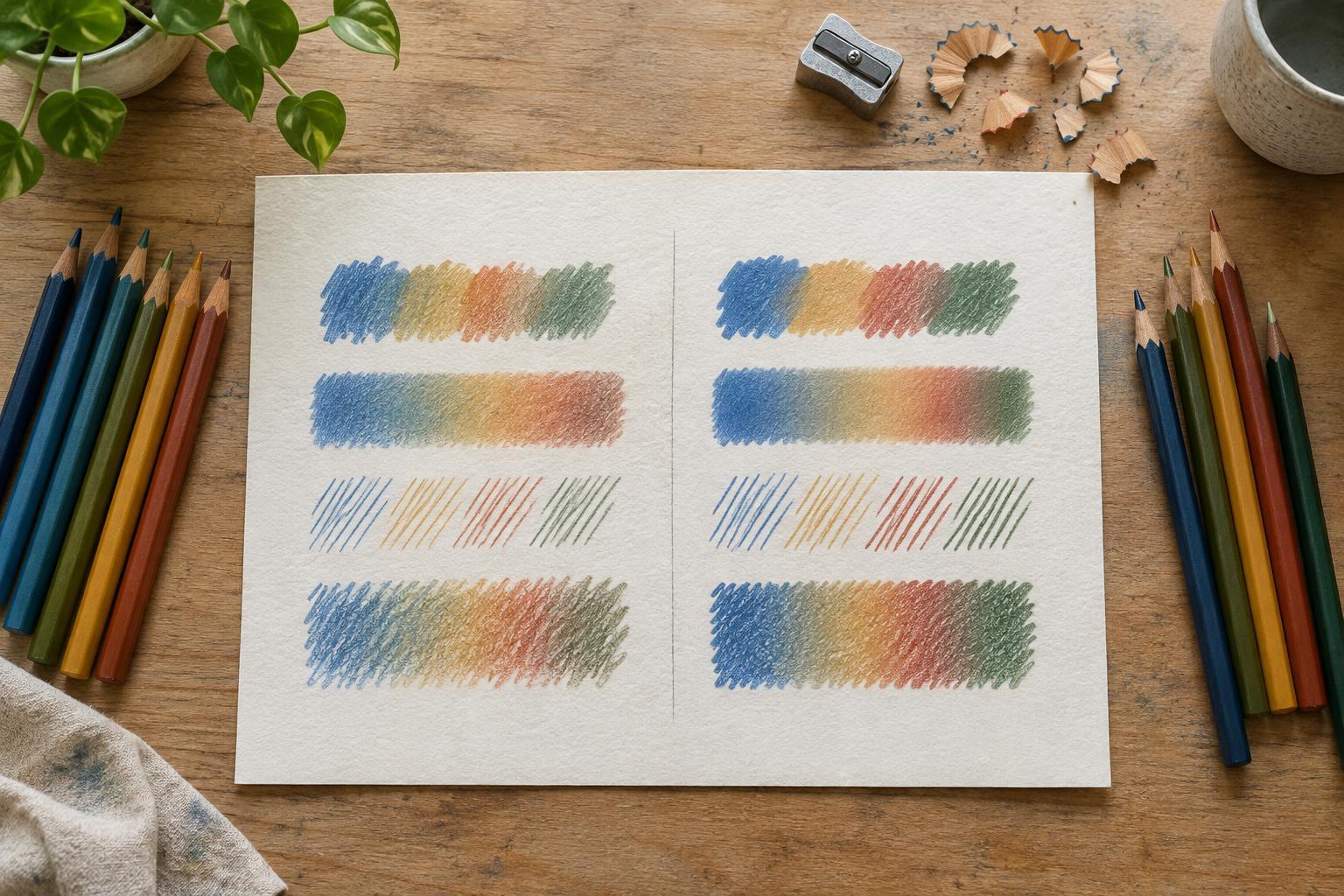
Materials and ToolsWax-based and oil-based colored pencils can feel different on the page, but the label does not tell the whole story. Learn how to compare layering, blending, sharpening and paper choice through simple drawing tests.
Read article · 4 min↗
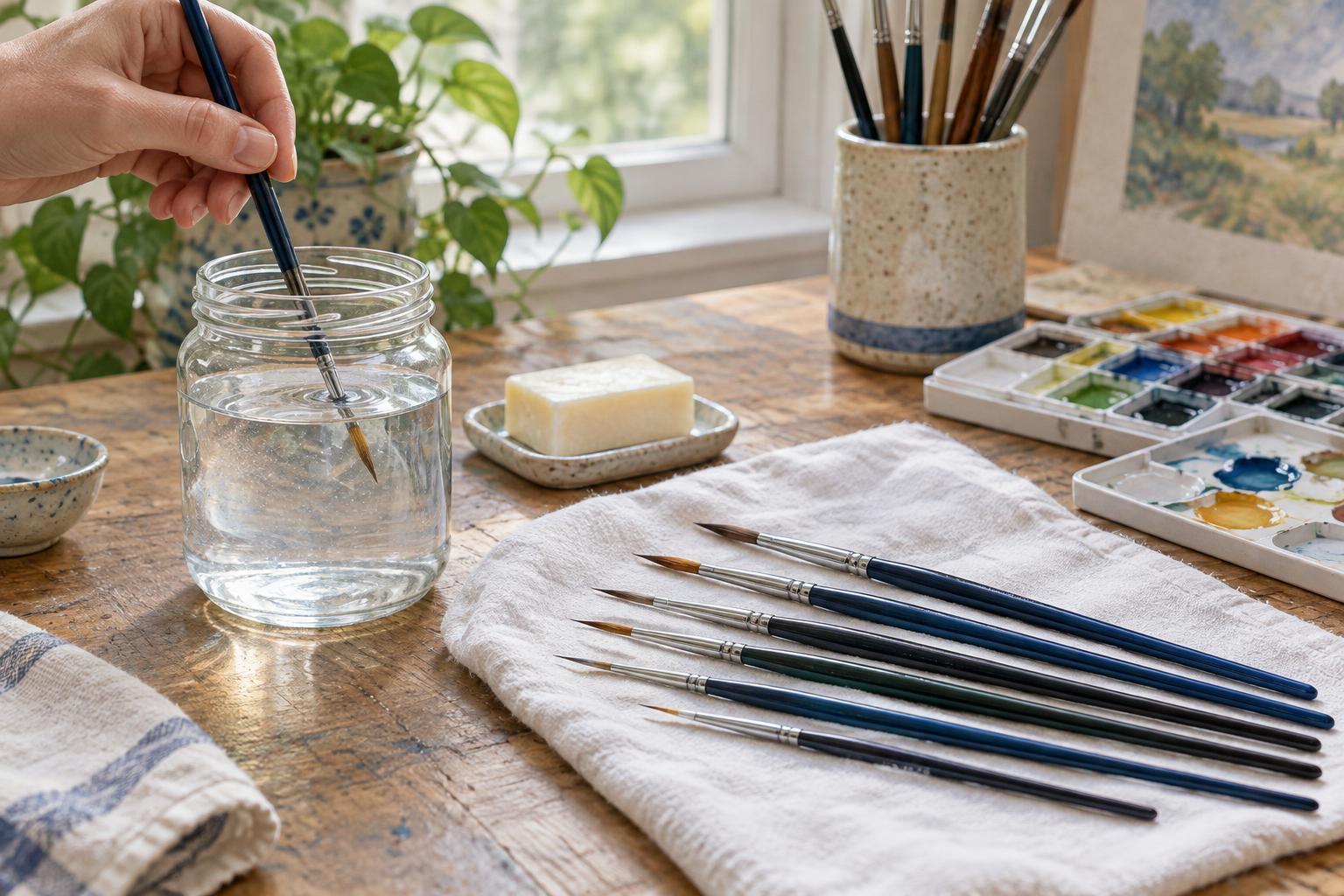
Materials and ToolsA good brush-cleaning routine protects the point, edge and spring of your tools. Learn how to wash brushes used with watercolor, gouache, acrylic and oil paint, then dry and store them without bending their bristles.
Read article · 4 min↗
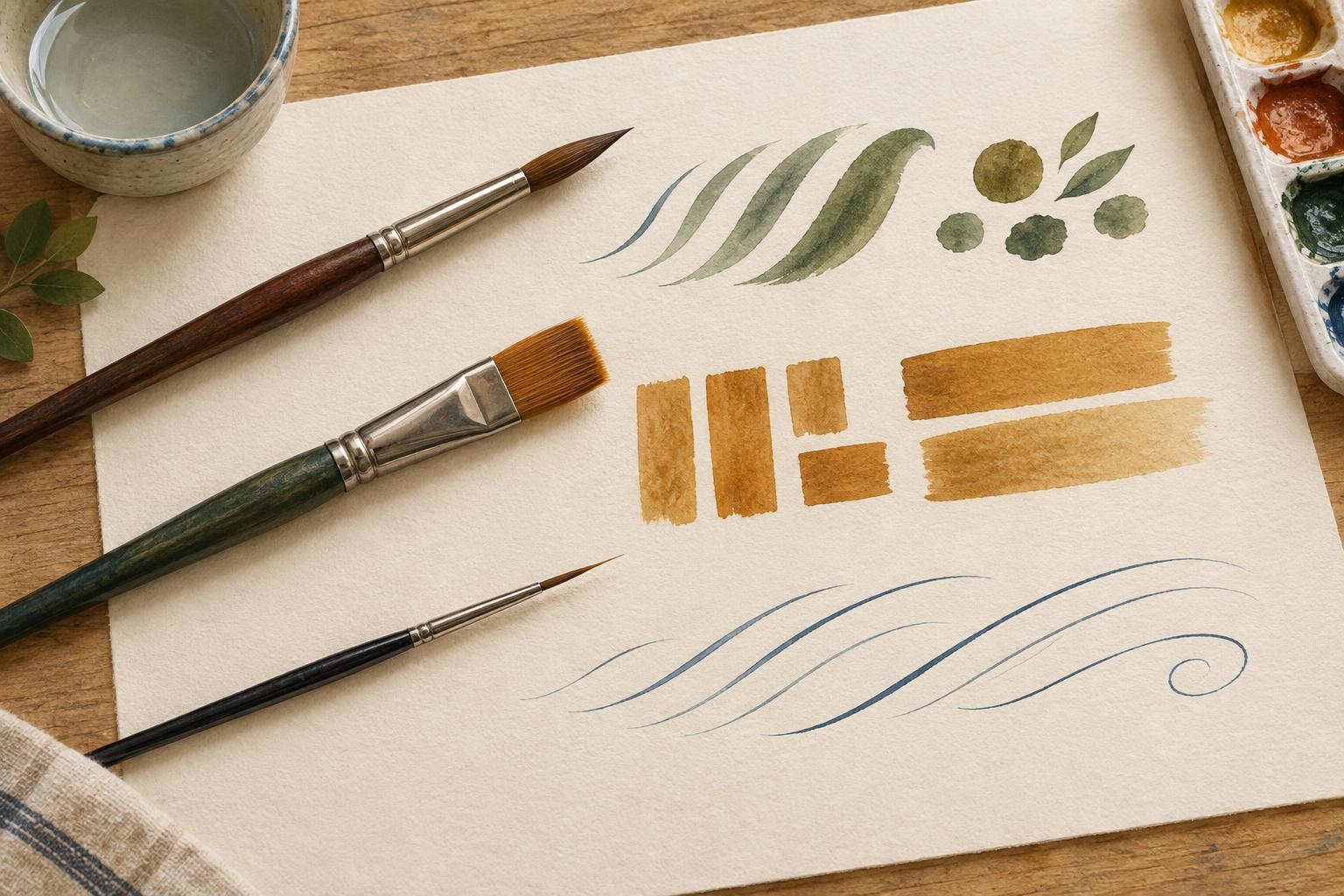
Materials and ToolsBrush shape changes the marks you can make. Learn what round, flat and liner brushes do, how to choose a useful starter set, and how to test and care for each shape.
Read article · 4 min↗
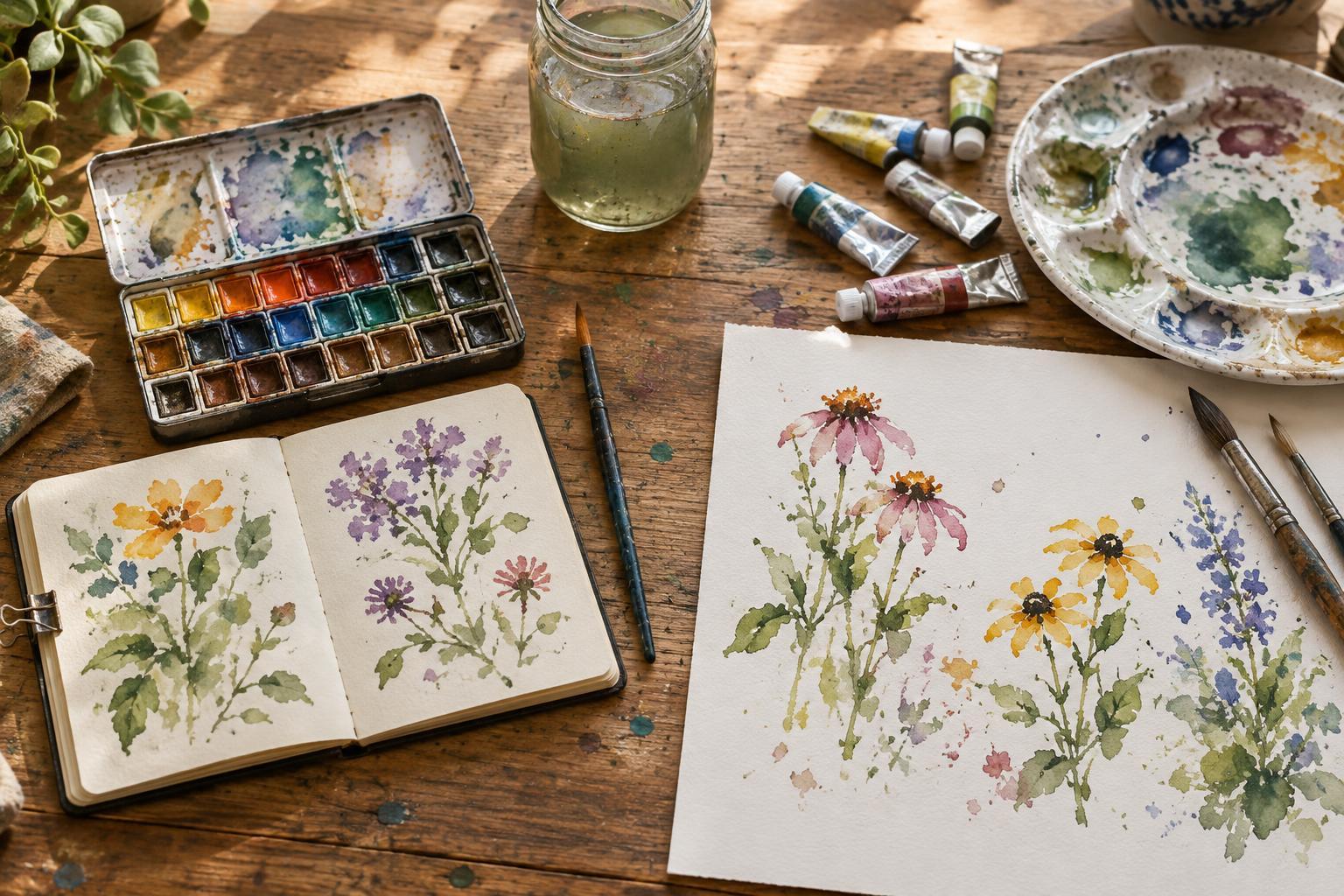
Materials and ToolsPans and tubes can both make expressive watercolor paintings. The more useful question is how you work: at a desk, in a sketchbook, or between the two. Compare setup, mixing space, storage, and cleanup to choose a format that fits your routine.
Read article · 4 min↗
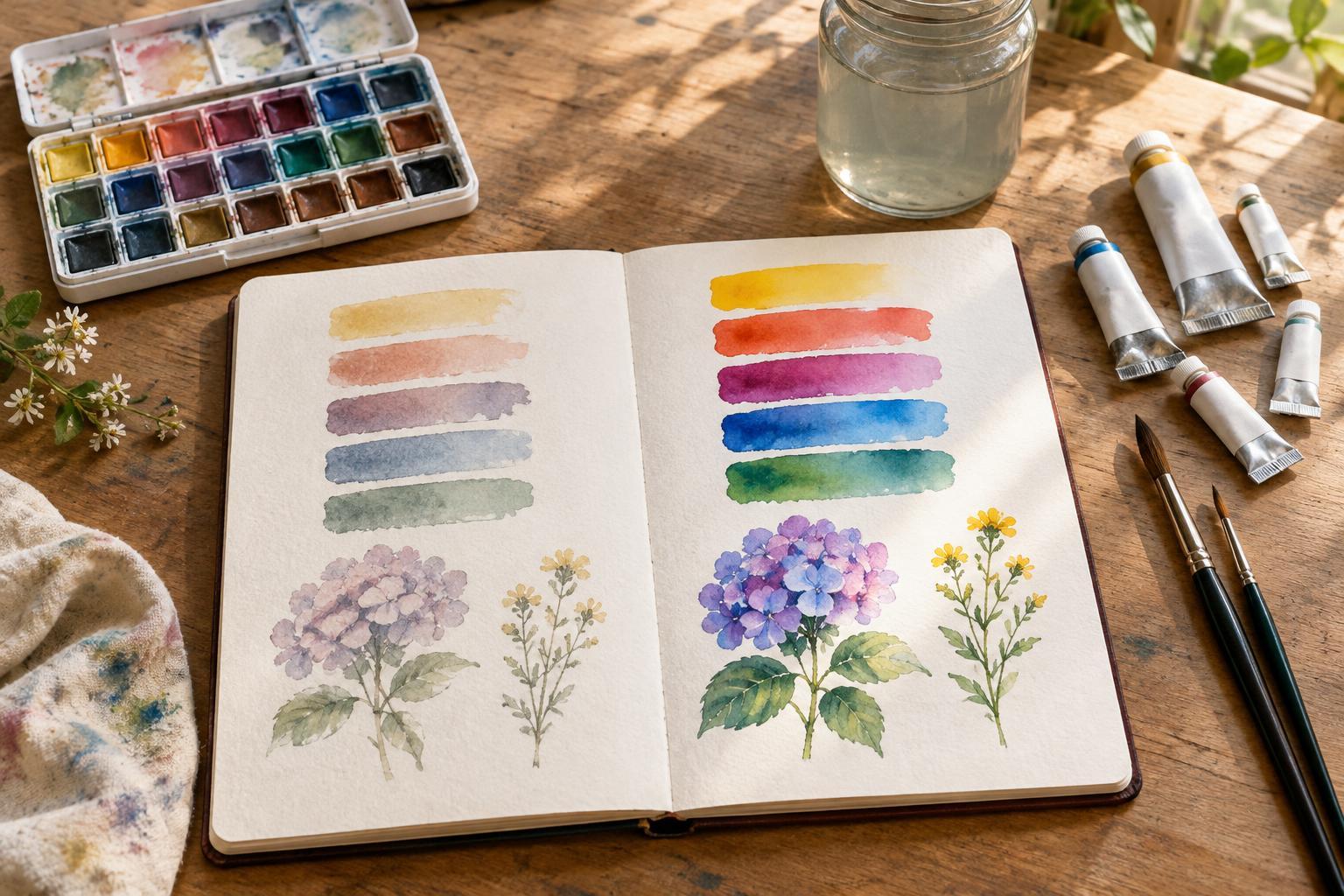
Materials and ToolsArtist-grade watercolor often offers more predictable mixing and clearer pigment information, but student-grade paint can be a useful choice for sketches and practice. Here is what to compare before buying or upgrading.
Read article · 4 min↗
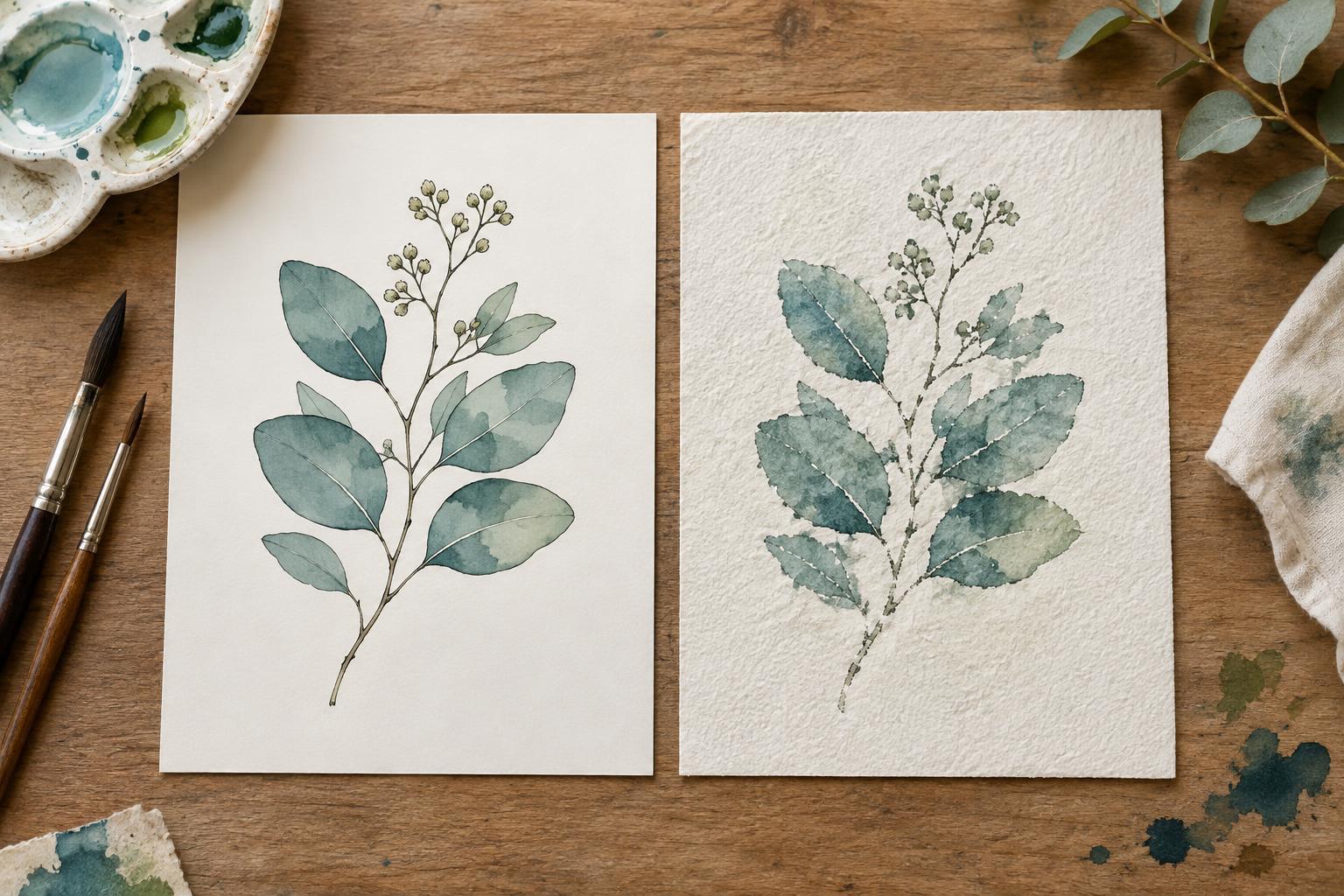
Materials and ToolsHot-press and cold-press watercolor papers can change how a line, wash, or scanned image looks. Learn how their surfaces behave and how to choose a sheet for comics, spot illustrations, and mixed-media work.
Read article · 4 min↗
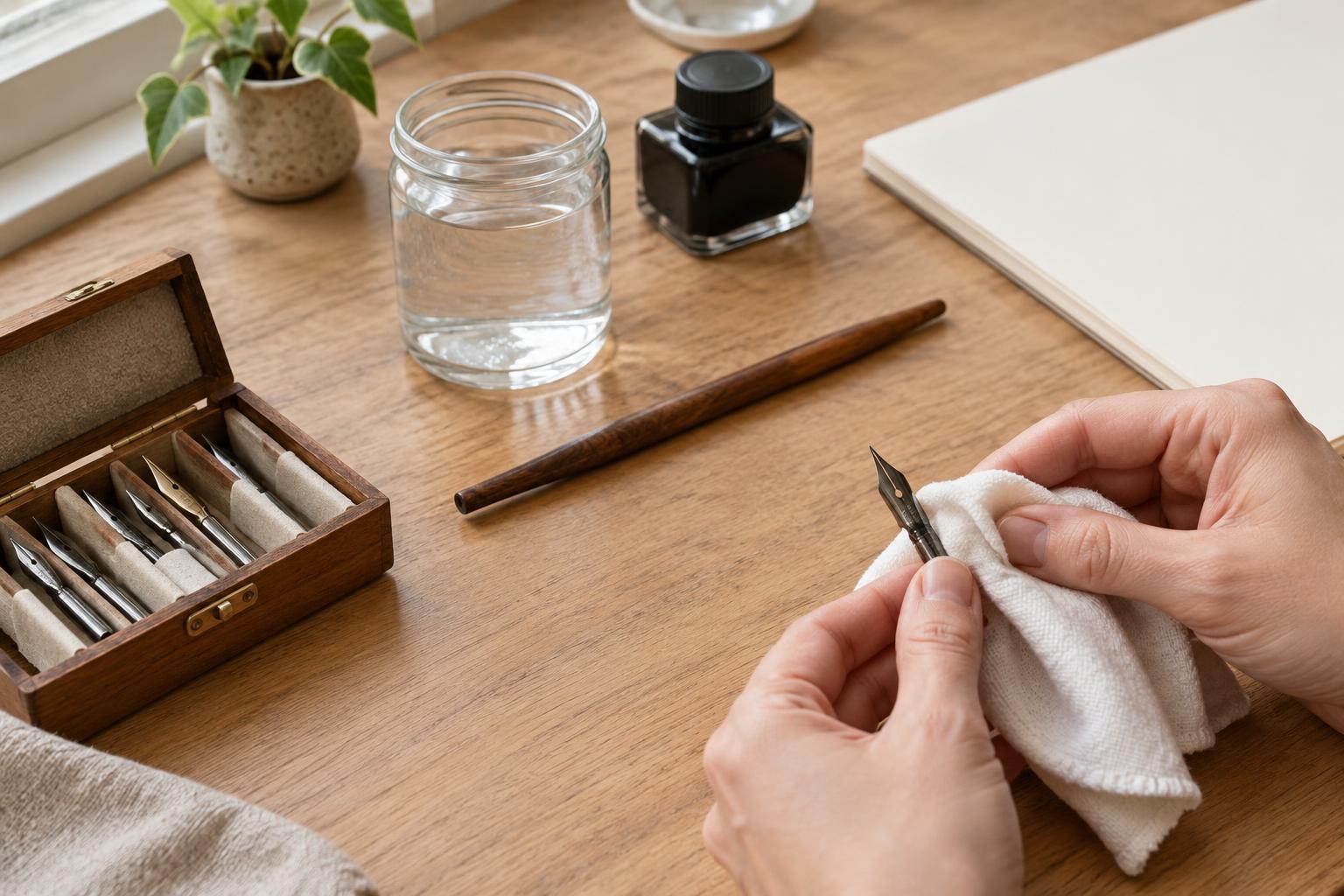
Materials and ToolsA reliable dip pen routine starts before ink dries on the nib. Learn how to clean different inks gently, dry metal parts thoroughly, and store nibs and holders so they are ready for the next drawing session.
Read article · 4 min↗
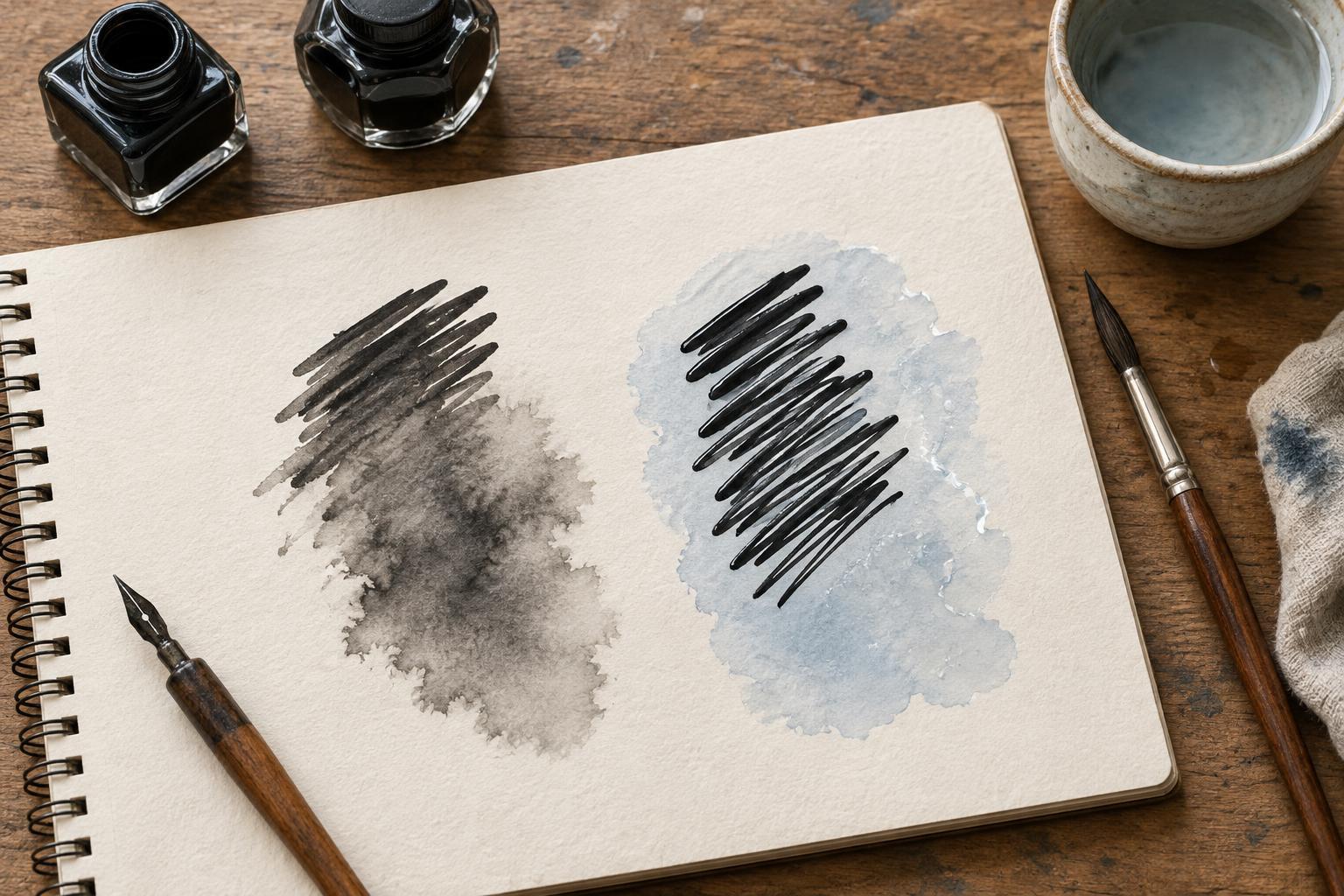
Materials and ToolsAn ink that looks dry may still move when water touches it. Learn what label terms can and cannot tell you, how to run a simple swatch test, and how to choose ink for washes, watercolor, and expressive line work.
Read article · 4 min↗
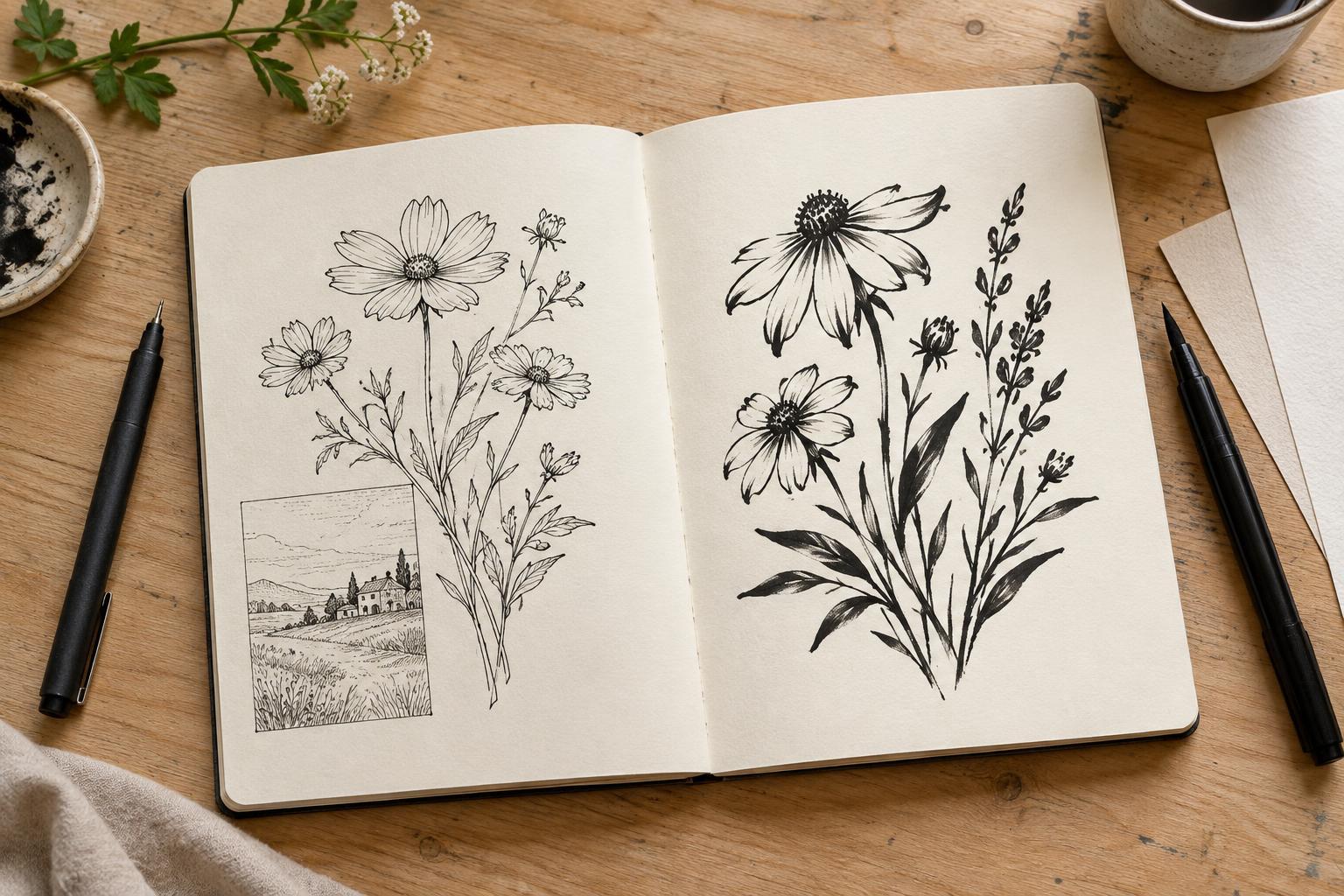
Materials and ToolsFineliners offer steady, controlled lines; brush pens make changes in line weight part of the drawing motion. Learn how each tool handles detail, texture, paper and ink, then try a short exercise to find the better fit for your illustrations or comics.
Read article · 4 min↗
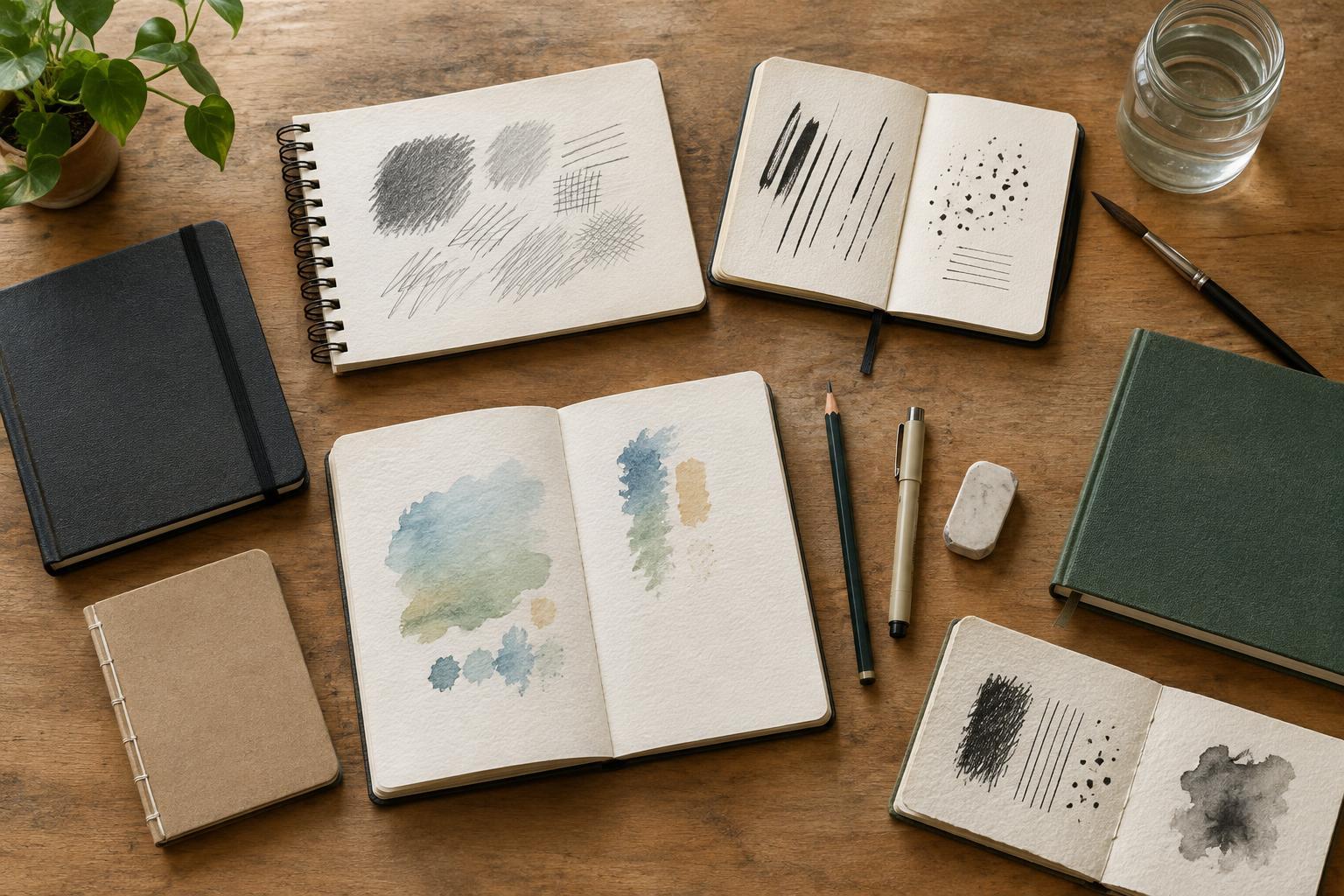
Materials and ToolsThe right sketchbook depends less on a label and more on how its paper handles your marks. Learn what to look for in surface, paper weight, binding and size, then test a few pages with the tools you actually use.
Read article · 4 min↗
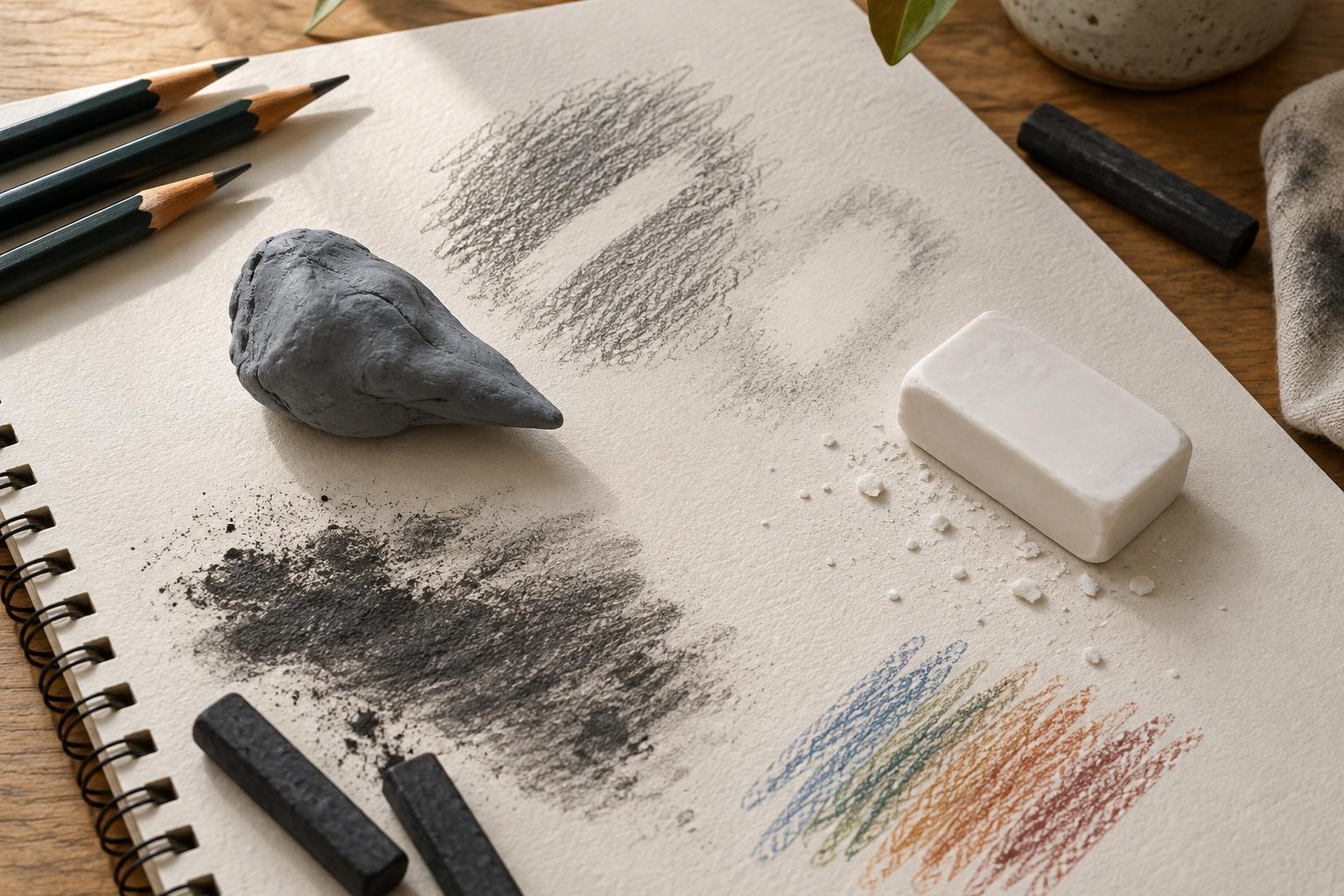
Materials and ToolsKneaded and vinyl erasers do different jobs. Learn which one to reach for when lifting graphite, charcoal or colored pencil, and why neither is a reliable fix for ink or damaged paper.
Read article · 4 min↗
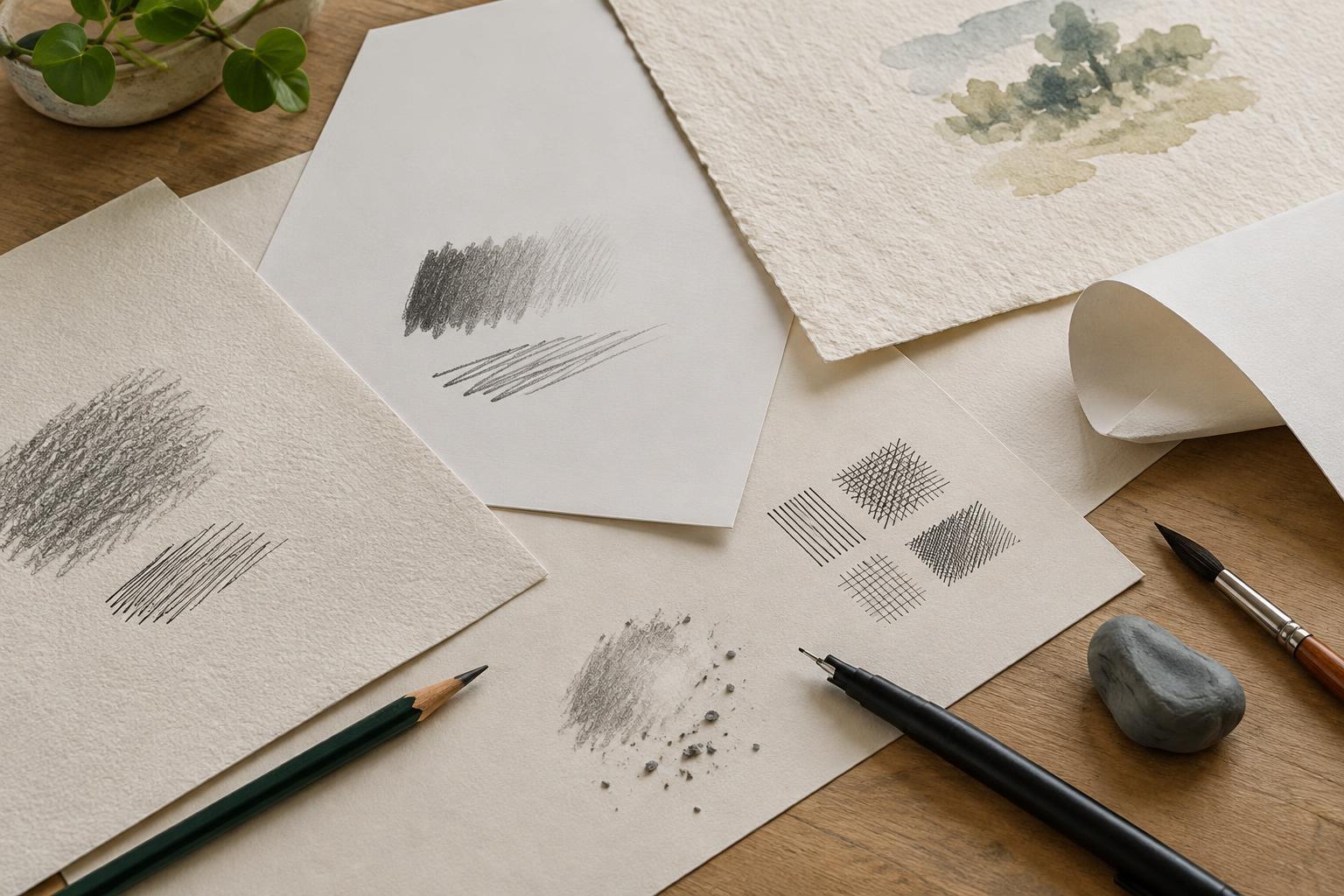
Materials and ToolsThe right drawing paper depends less on a label than on what you plan to put on it. Learn how paper weight, surface texture and erasability affect pencil, ink and mixed-media work, then use a small test to choose with confidence.
Read article · 4 min↗
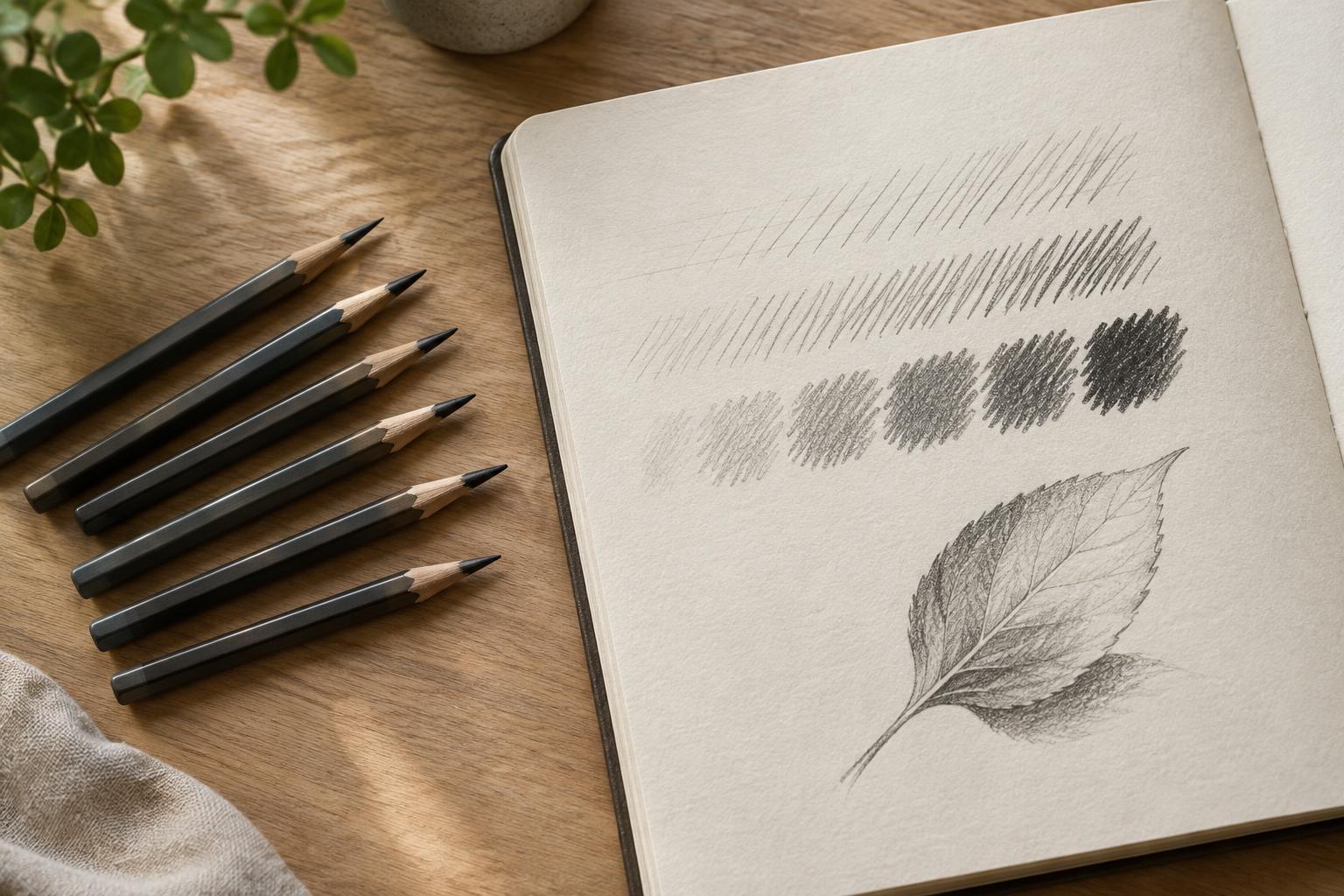
Materials and ToolsPencil grades describe how hard or soft a graphite core is, but the marks you make also depend on pressure, paper and the pencil itself. Learn how to read H, B, HB and F labels, then choose a small set of pencils for sketching, shading and finished drawings.
Read article · 4 min↗