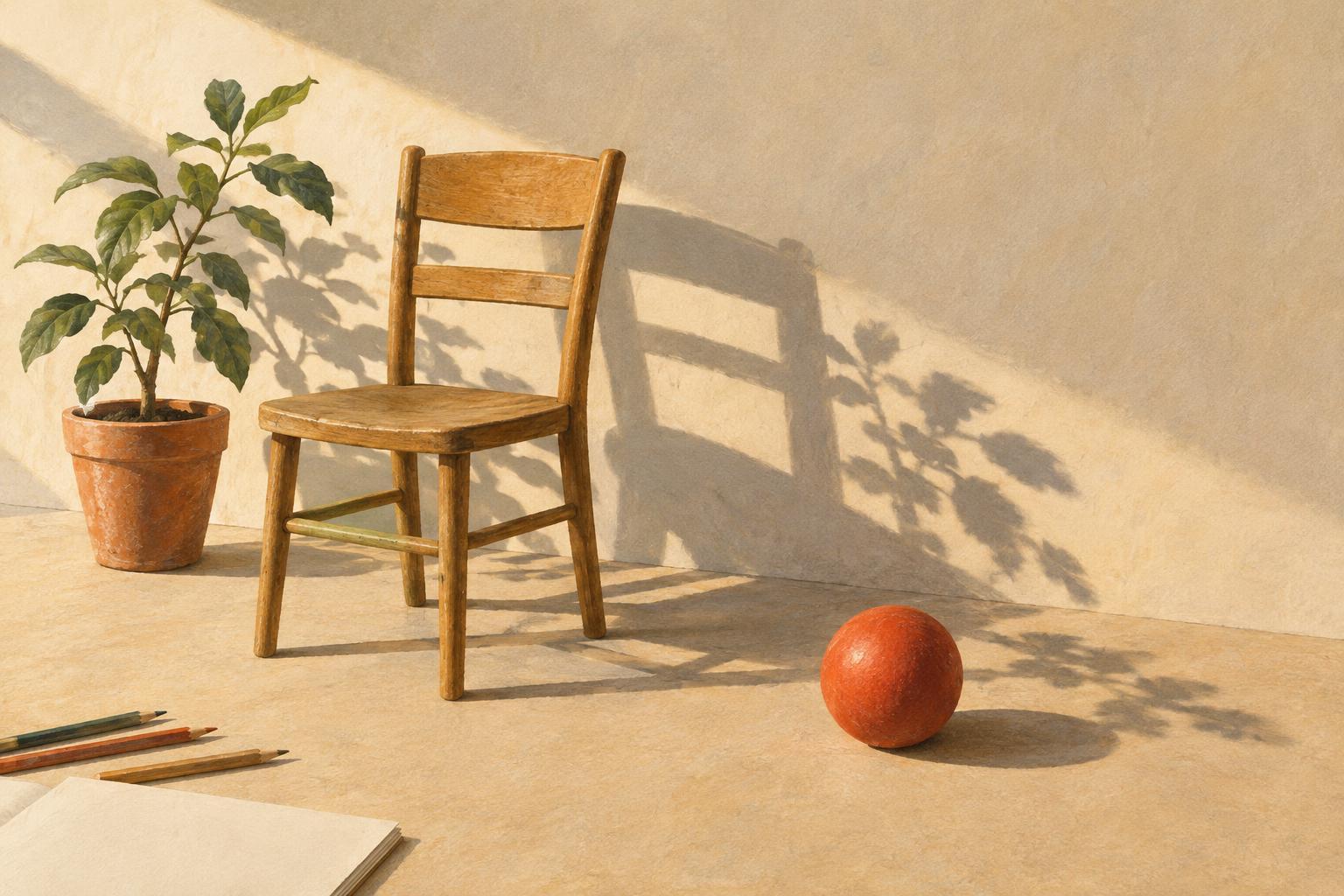
Illustration TechniquesCast shadows can do more than suggest a time of day. Learn how to use their shape, direction and placement to anchor objects, clarify space and support the action in an illustration.
Read article · 4 min↗

Illustration TechniquesA practical approach to turning processes such as energy use, sound or information flow into clear editorial illustrations. Learn how to choose a visual metaphor, arrange a sequence and test whether the image makes sense without its caption.
Read article · 4 min↗
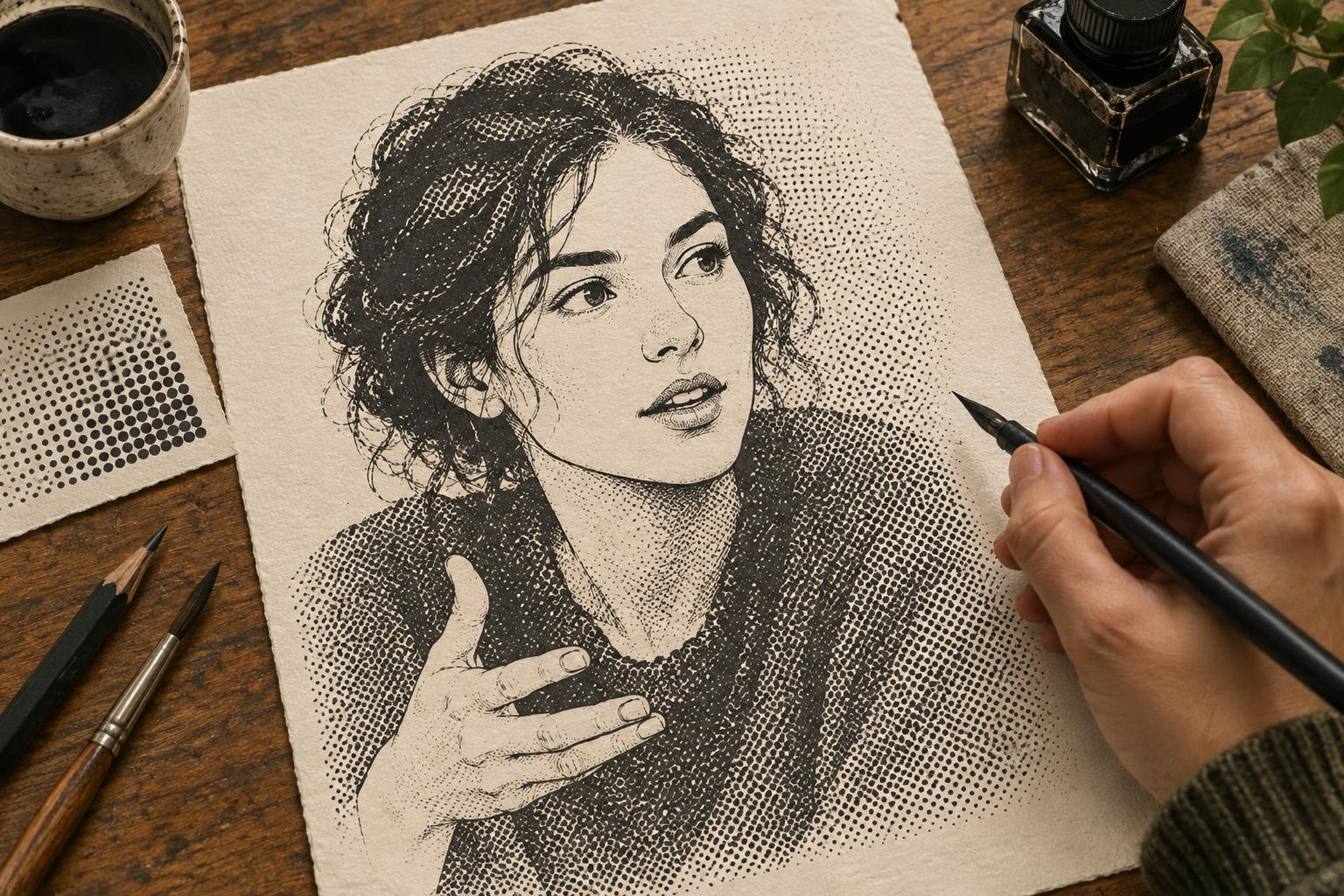
Illustration TechniquesHalftone can give an illustration texture, depth and a sense of printed ink, but dense dots can compete with the drawing beneath them. Learn how to place, scale and test halftone shading while keeping faces, gestures and other focal details clear.
Read article · 4 min↗

Illustration TechniquesFlat-looking color is not always a problem of drawing skill or software. Often, the image needs clearer value groups, more deliberate lighting, stronger relationships between colors, or better control of edges. Learn how to spot common digital coloring mistakes and make targeted revisions.
Read article · 4 min↗
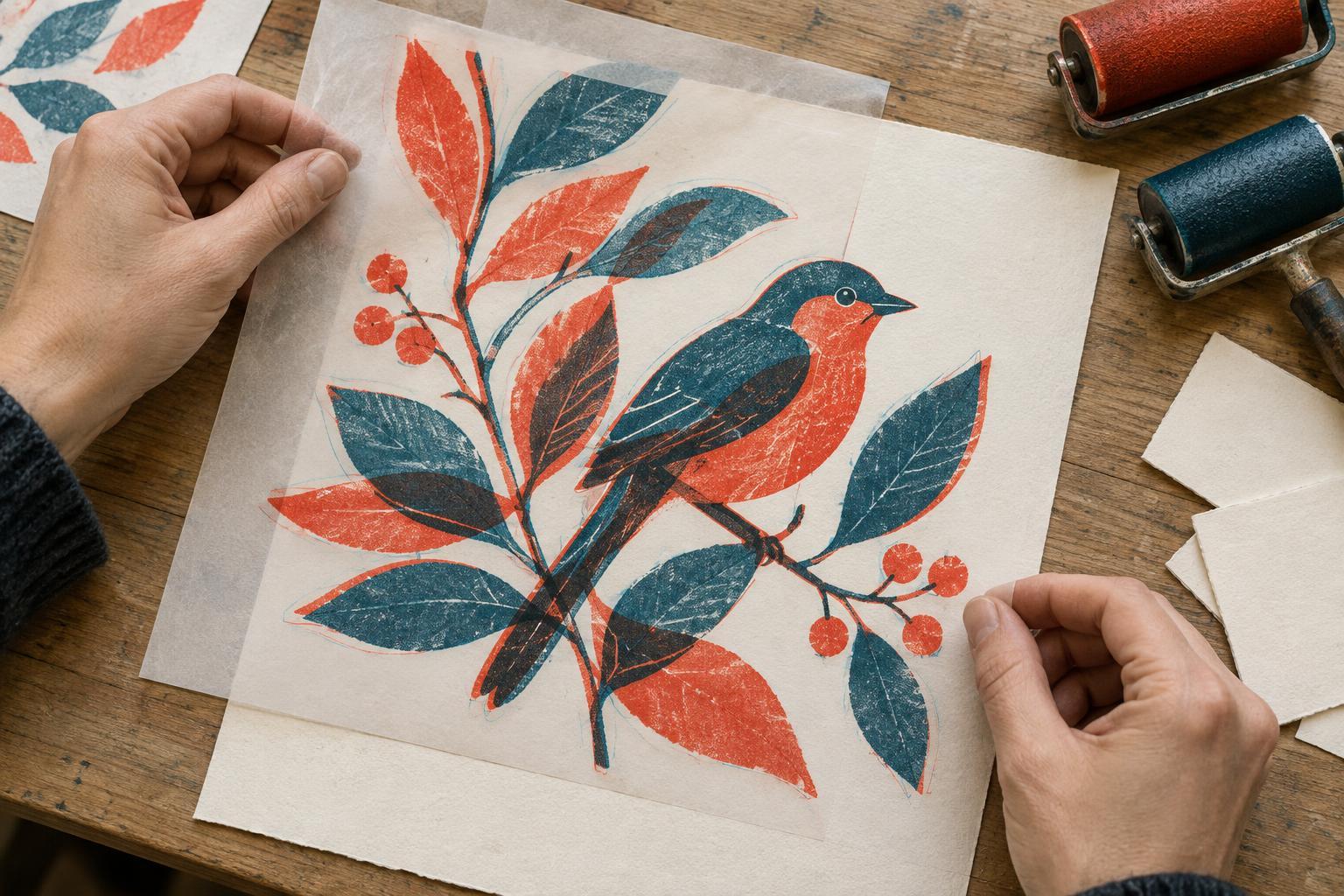
Illustration TechniquesTwo inks can produce more than two visible colors when their shapes overlap. Learn how to plan a limited palette, build readable layers, and use controlled misregistration to give an illustration the character of an overprinted image.
Read article · 4 min↗
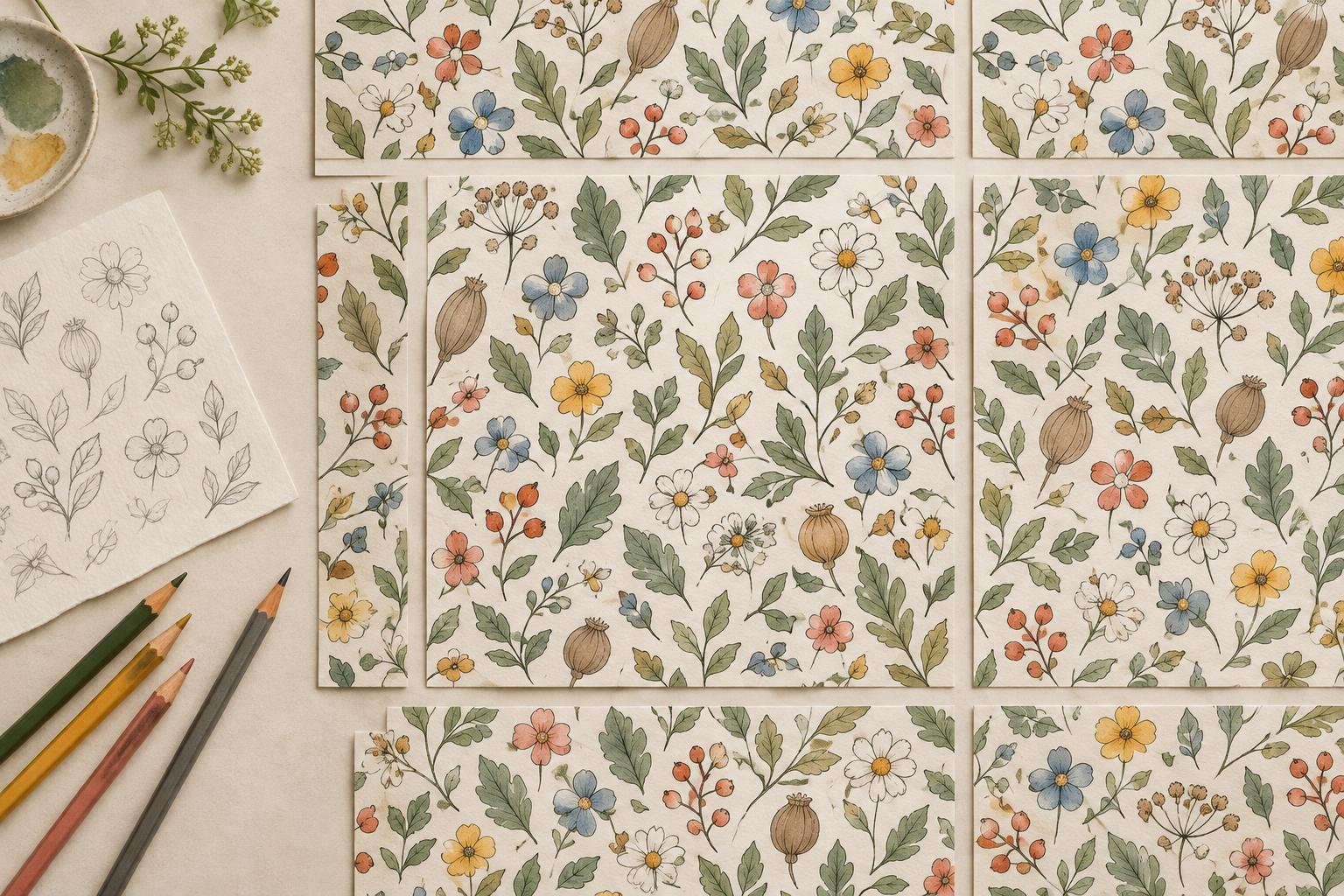
Illustration TechniquesTurn a page of hand-drawn shapes into a repeatable pattern. This guide covers choosing motifs, building a tile, matching its edges and testing the result before you use it in an illustration.
Read article · 4 min↗
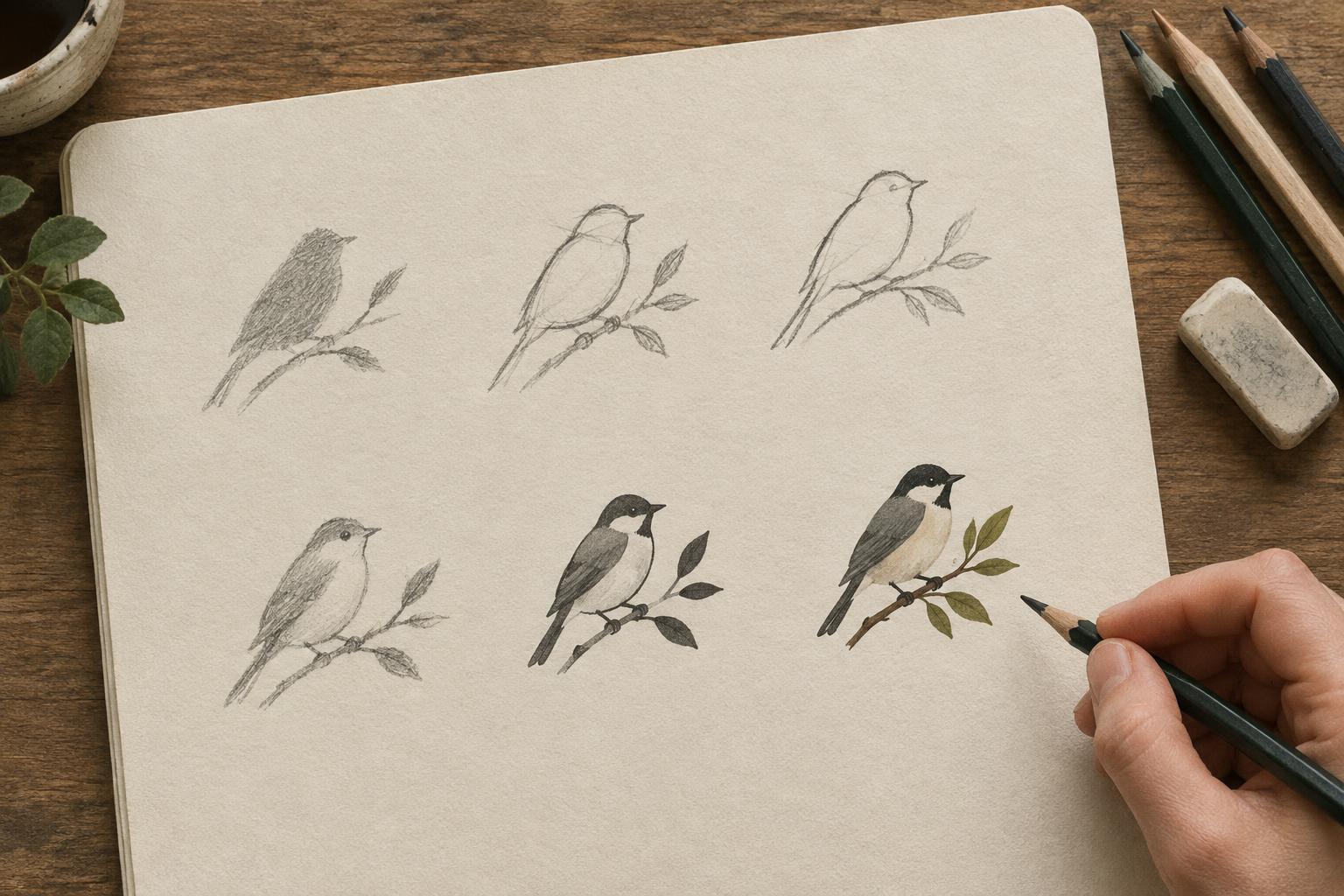
Illustration TechniquesA spot illustration has to communicate without taking over the page. Learn how to choose one clear idea, build a readable silhouette, control detail and test your drawing at its intended size.
Read article · 4 min↗
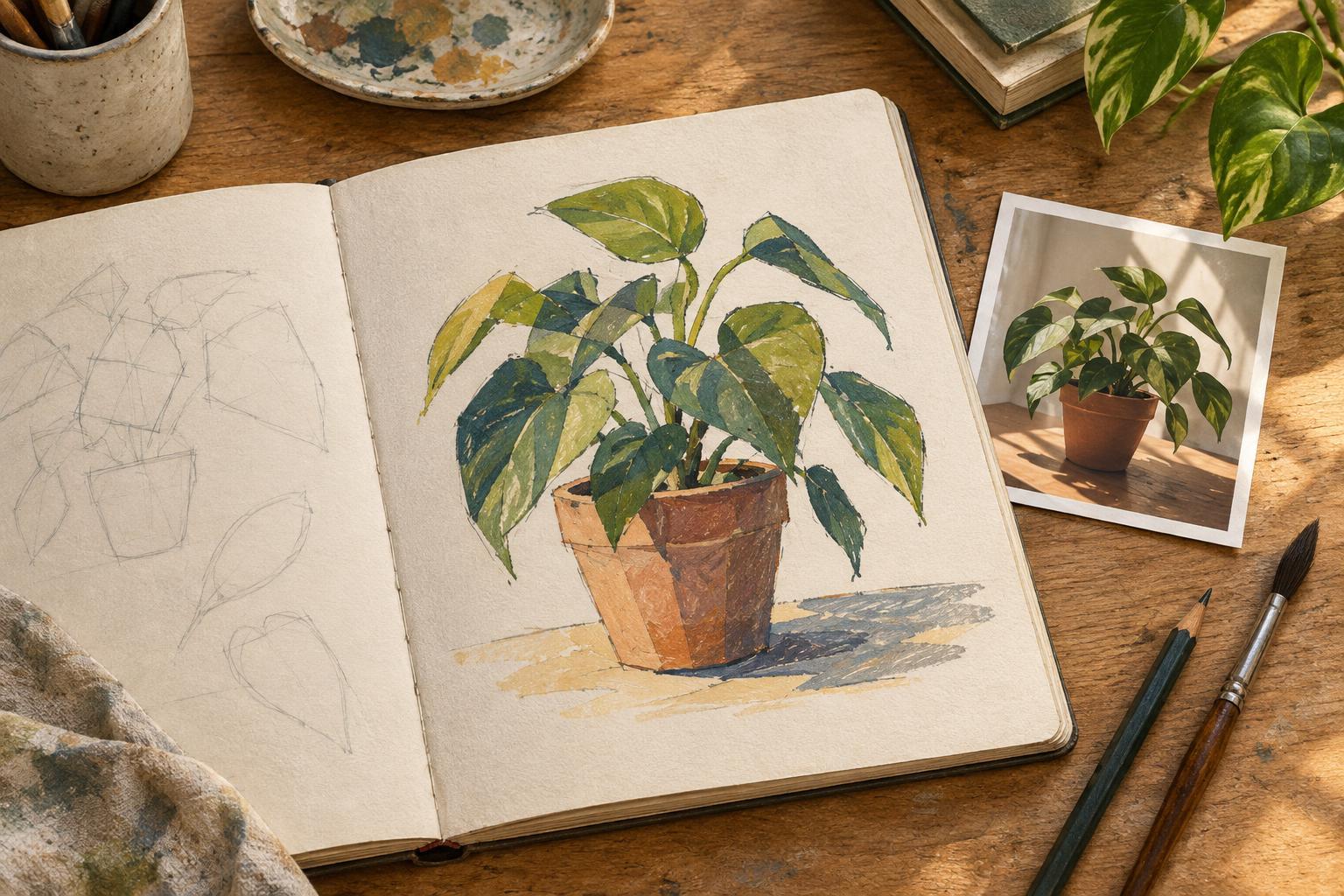
Illustration TechniquesPhoto references can help you understand light, form, and detail without dictating every line. Learn a practical process for studying a reference, rebuilding it from simple shapes, and making deliberate stylistic choices.
Read article · 4 min↗

Illustration TechniquesDepth in an illustration does not require intricate perspective or a highly detailed setting. By adjusting value, contrast, saturation and hue across layers of a scene, you can help viewers read what is near, what is far away and where to look first.
Read article · 4 min↗
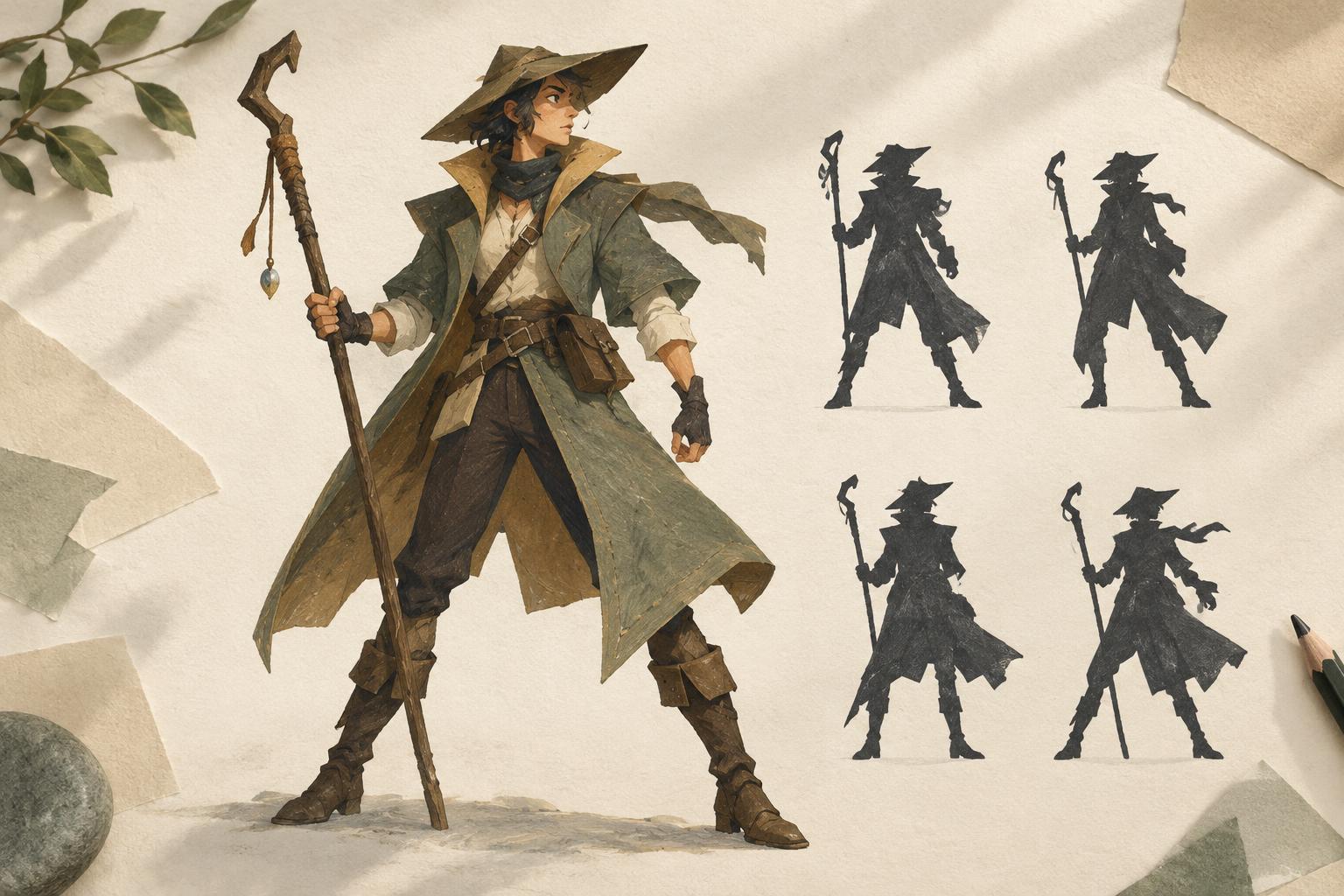
Illustration TechniquesA character should be recognizable before every seam, expression and texture is drawn. Learn how to shape a clear outline, use negative space and test a design at the size readers will actually see.
Read article · 4 min↗
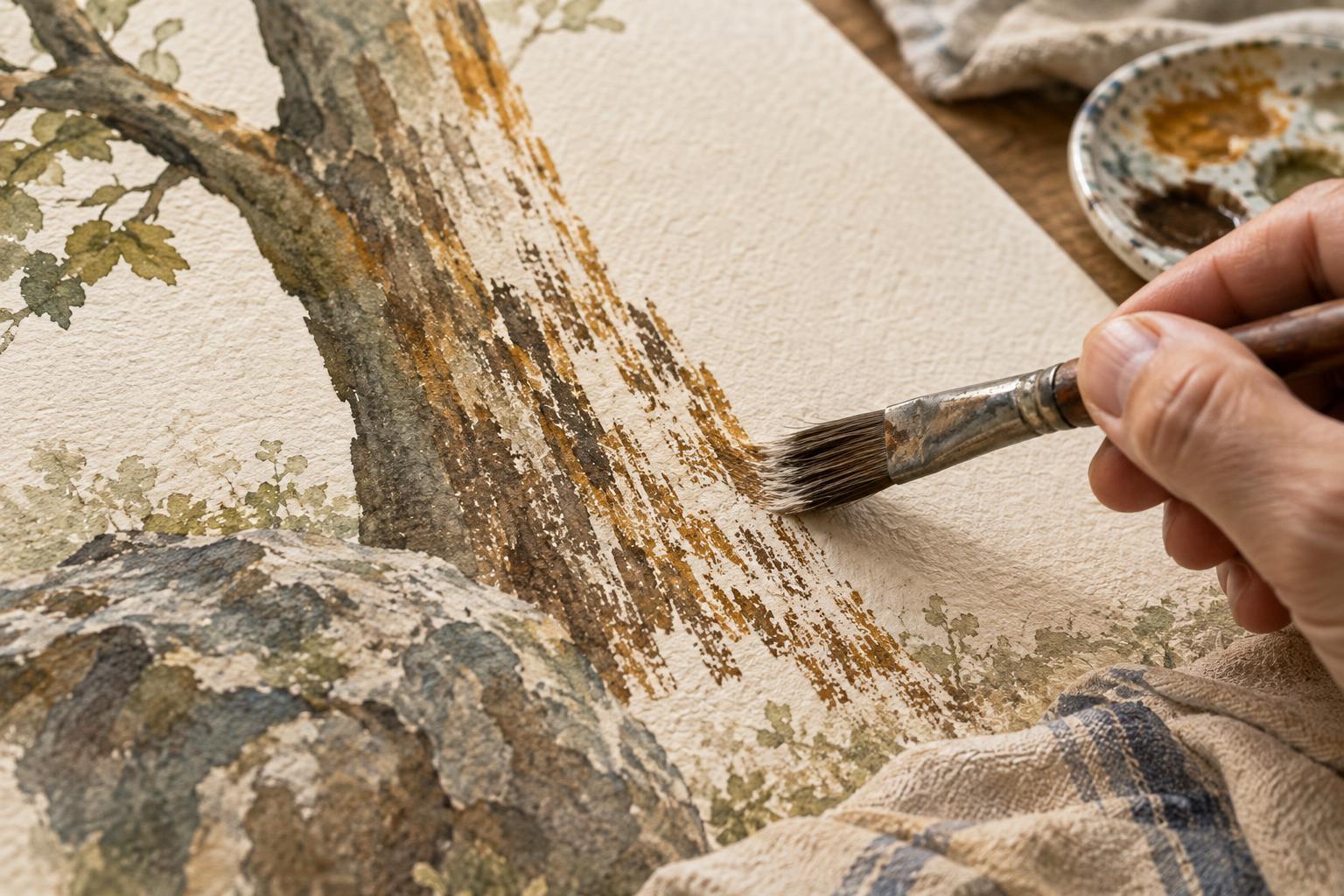
Illustration TechniquesDry brush can suggest bark, fabric, weathered walls and other textured surfaces without describing every mark. Learn how to control paint, pressure and placement so texture supports the illustration rather than competing with it.
Read article · 4 min↗
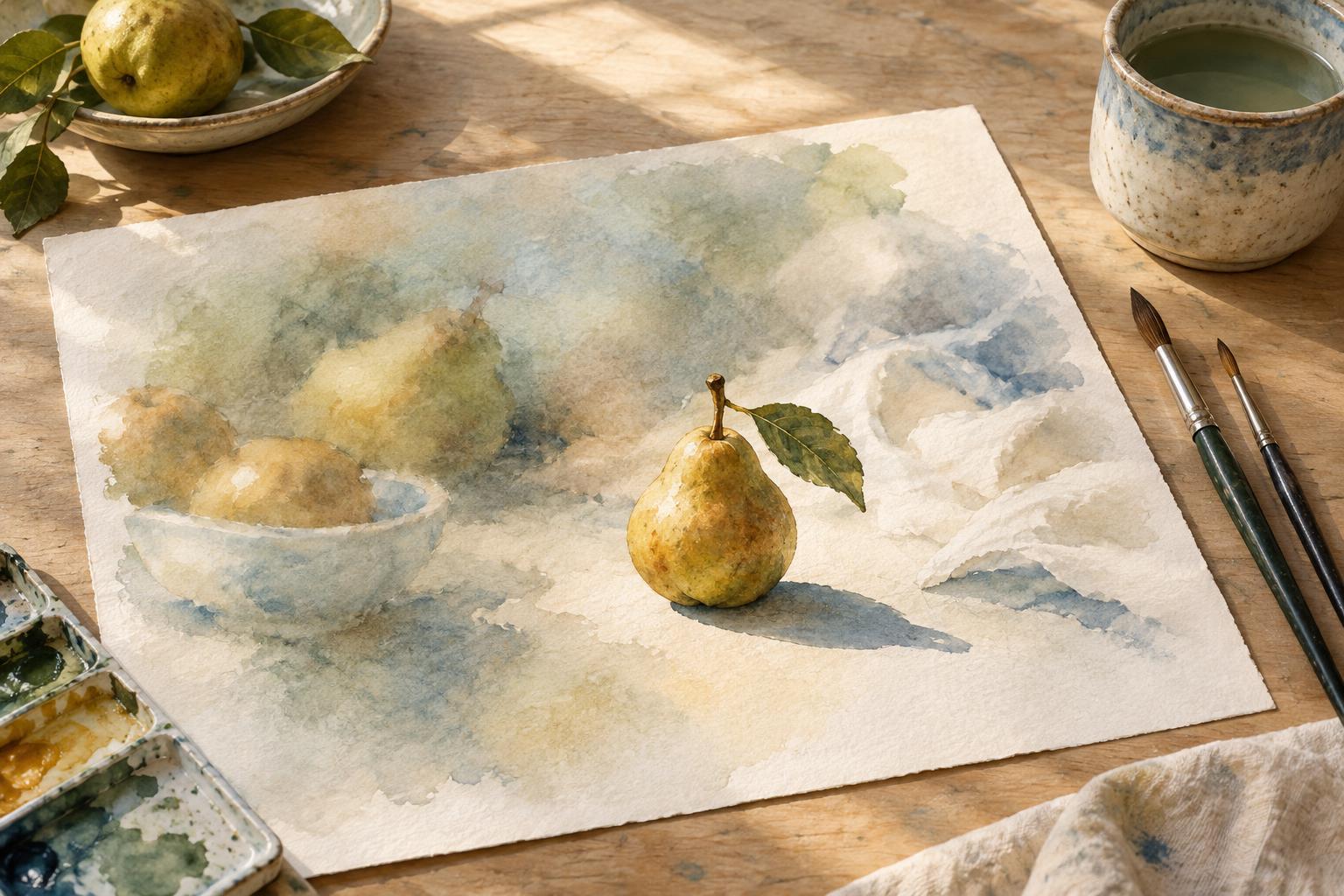
Illustration TechniquesAn edge can guide a viewer’s eye as effectively as a bright color or bold shape. Learn how to place crisp boundaries where they matter, soften less important transitions, and test whether the edge hierarchy supports your illustration’s focal point.
Read article · 4 min↗
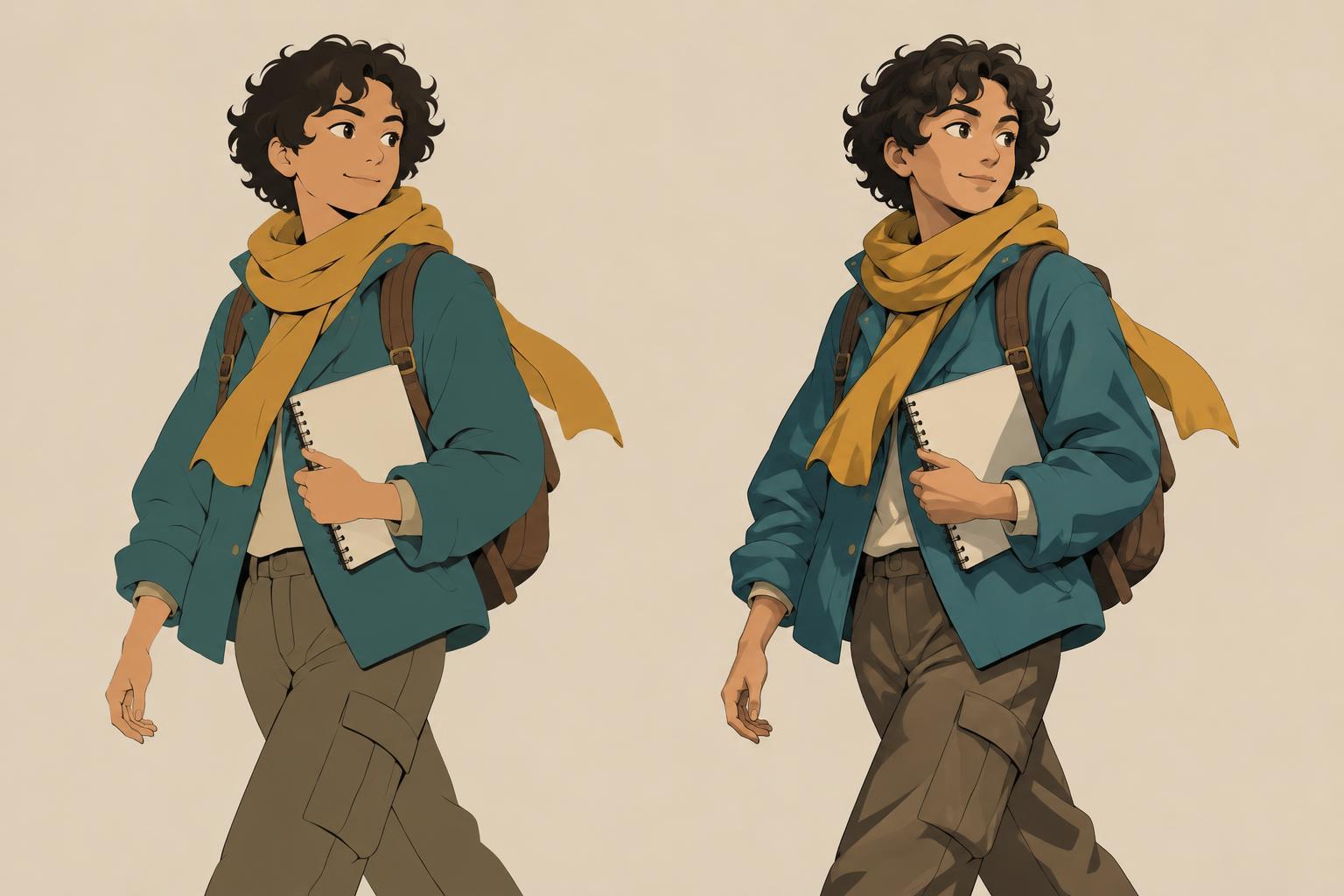
Illustration TechniquesFlat colors and cel shading can give the same character very different visual weight. Learn how each finish affects readability, mood, production time, and consistency, then use a small test to choose the approach that serves your illustration.
Read article · 5 min↗
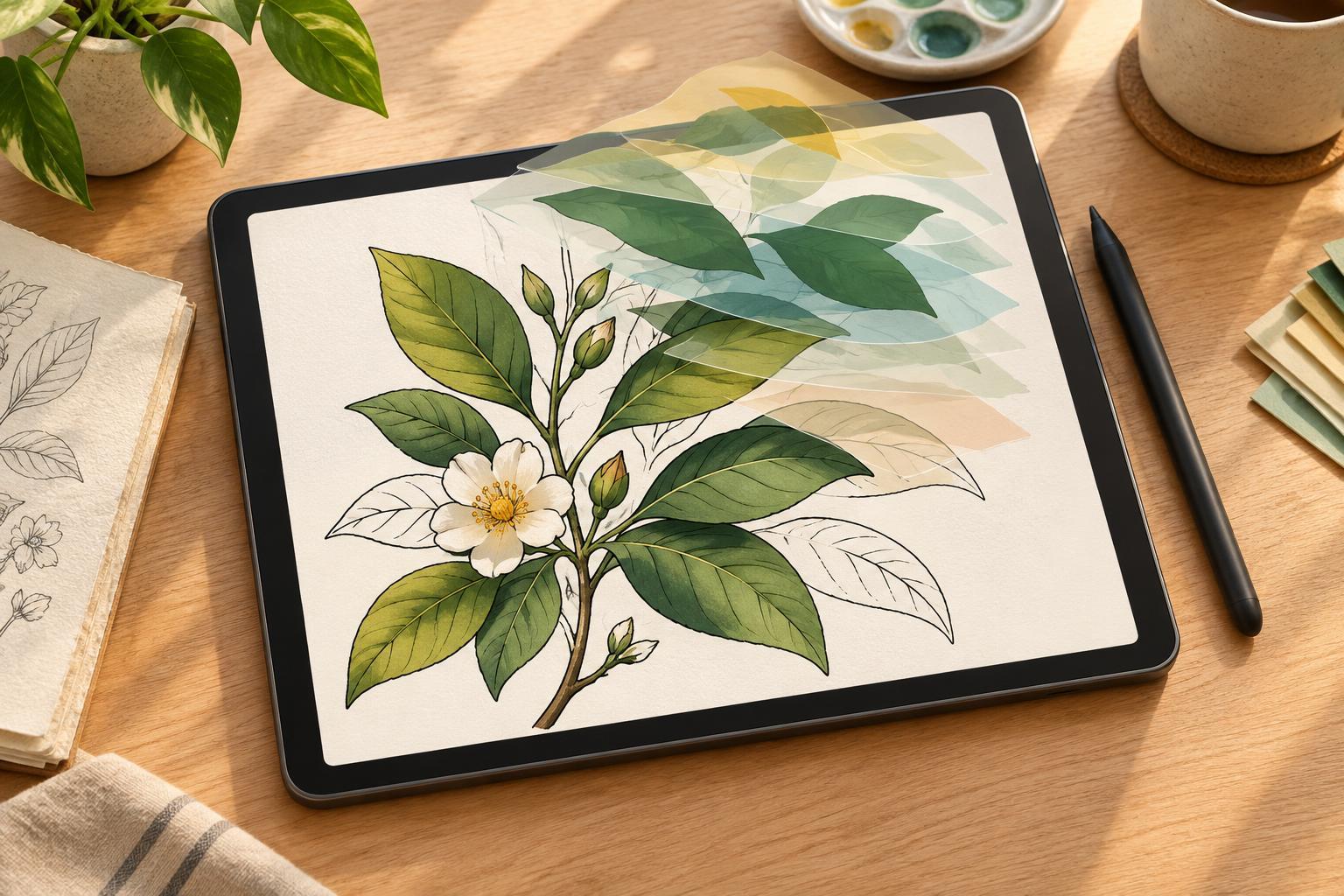
Illustration TechniquesClipping masks keep color inside a painted shape, making it easier to add shading, texture, and variations without repeatedly cleaning the edges. This guide walks through a practical layer setup for digital line art and explains how to avoid common problems such as gaps and pale halos.
Read article · 4 min↗
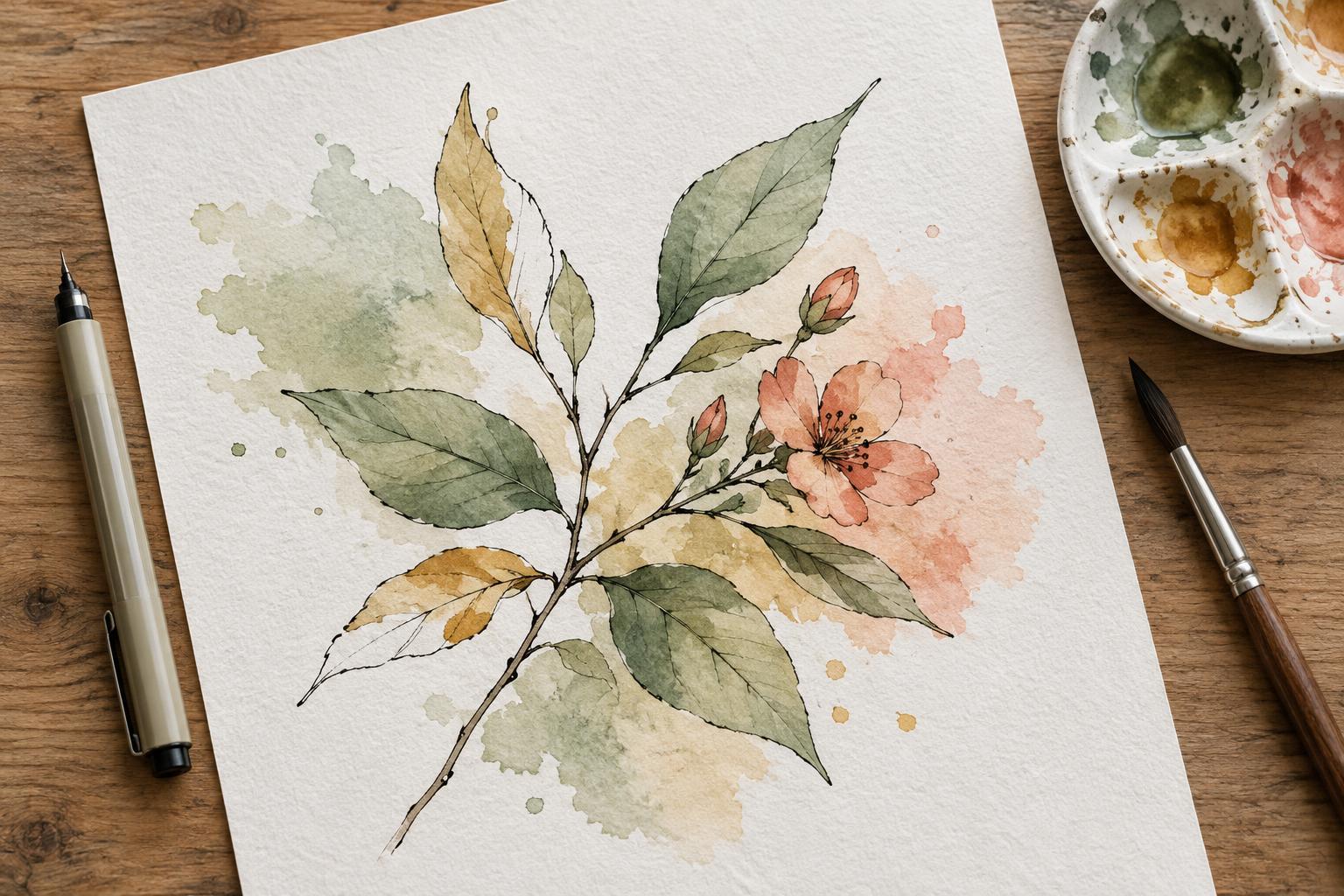
Illustration TechniquesInk gives an illustration structure; watercolor adds light, atmosphere and movement. Learn how to plan clear linework, test materials, layer washes and make a few deliberate finishing marks without overwhelming the drawing.
Read article · 4 min↗
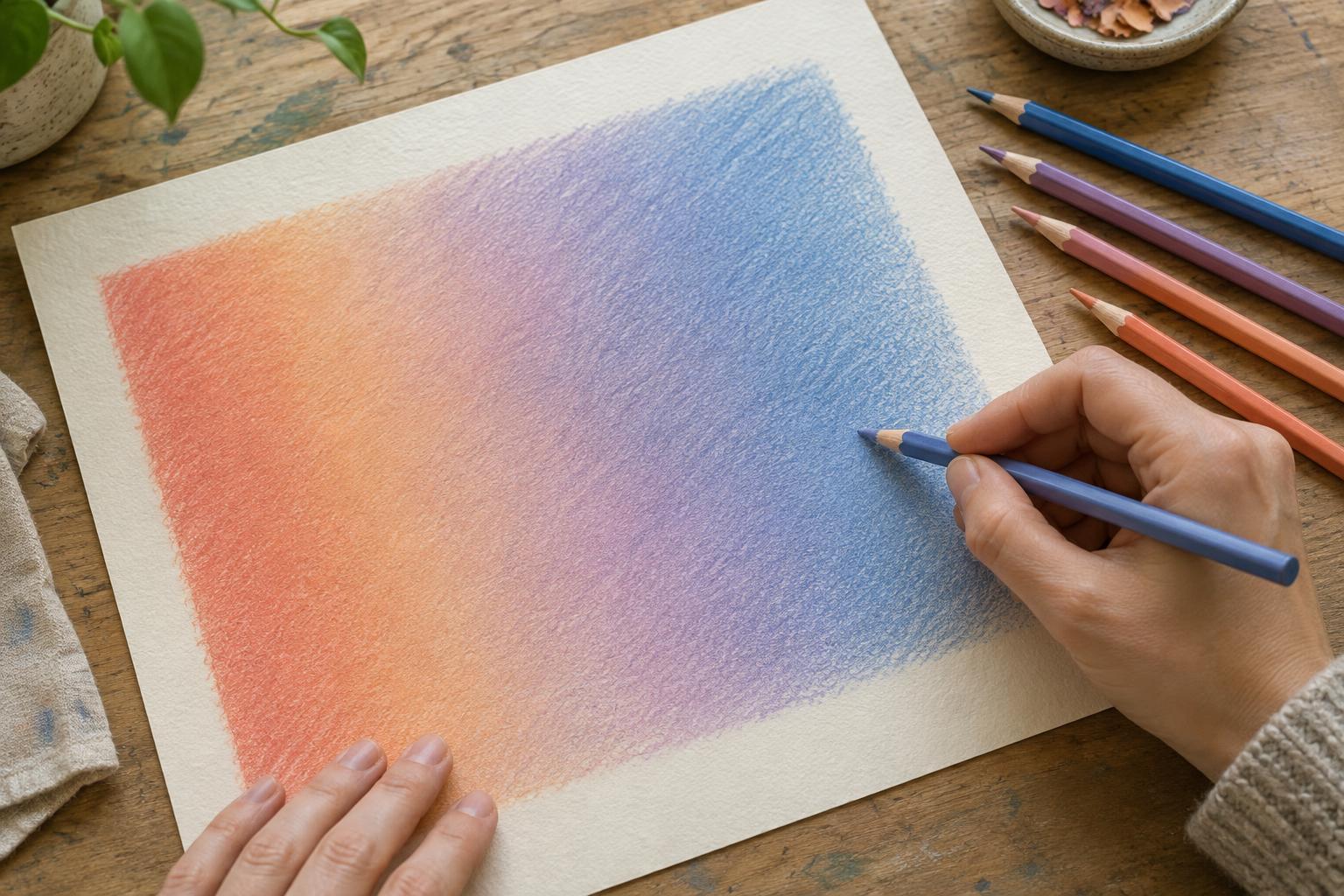
Illustration TechniquesSmooth colored-pencil transitions come from light pressure, overlapping layers and deliberate color choices. Learn how to build a gradient, soften its edges and troubleshoot patchy areas without losing control of the drawing.
Read article · 5 min↗
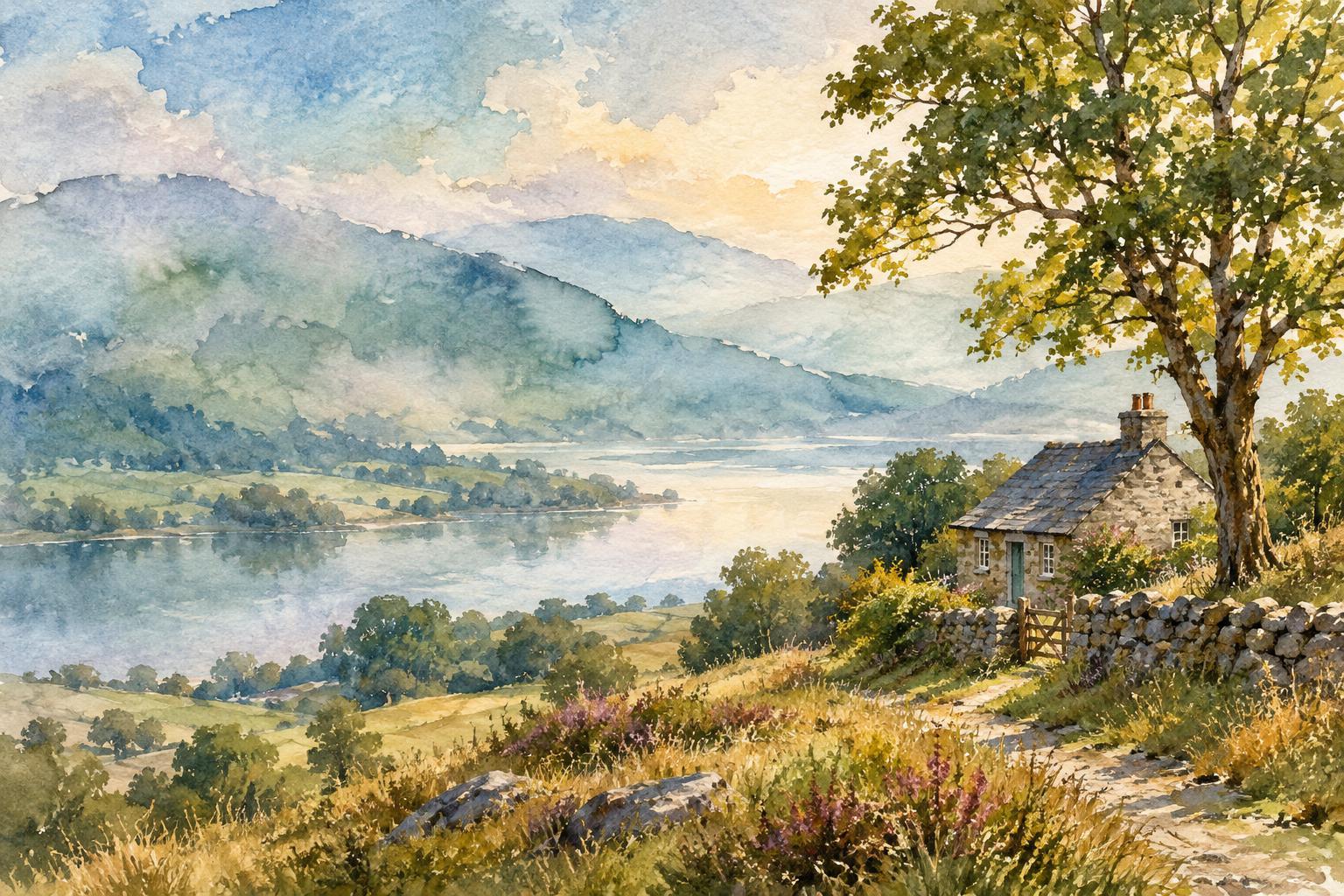
Illustration TechniquesSoft atmosphere and crisp details can coexist in a watercolor illustration. Learn when to use wet-on-wet and wet-on-dry, how to control their edges, and how to combine them in a scene.
Read article · 4 min↗
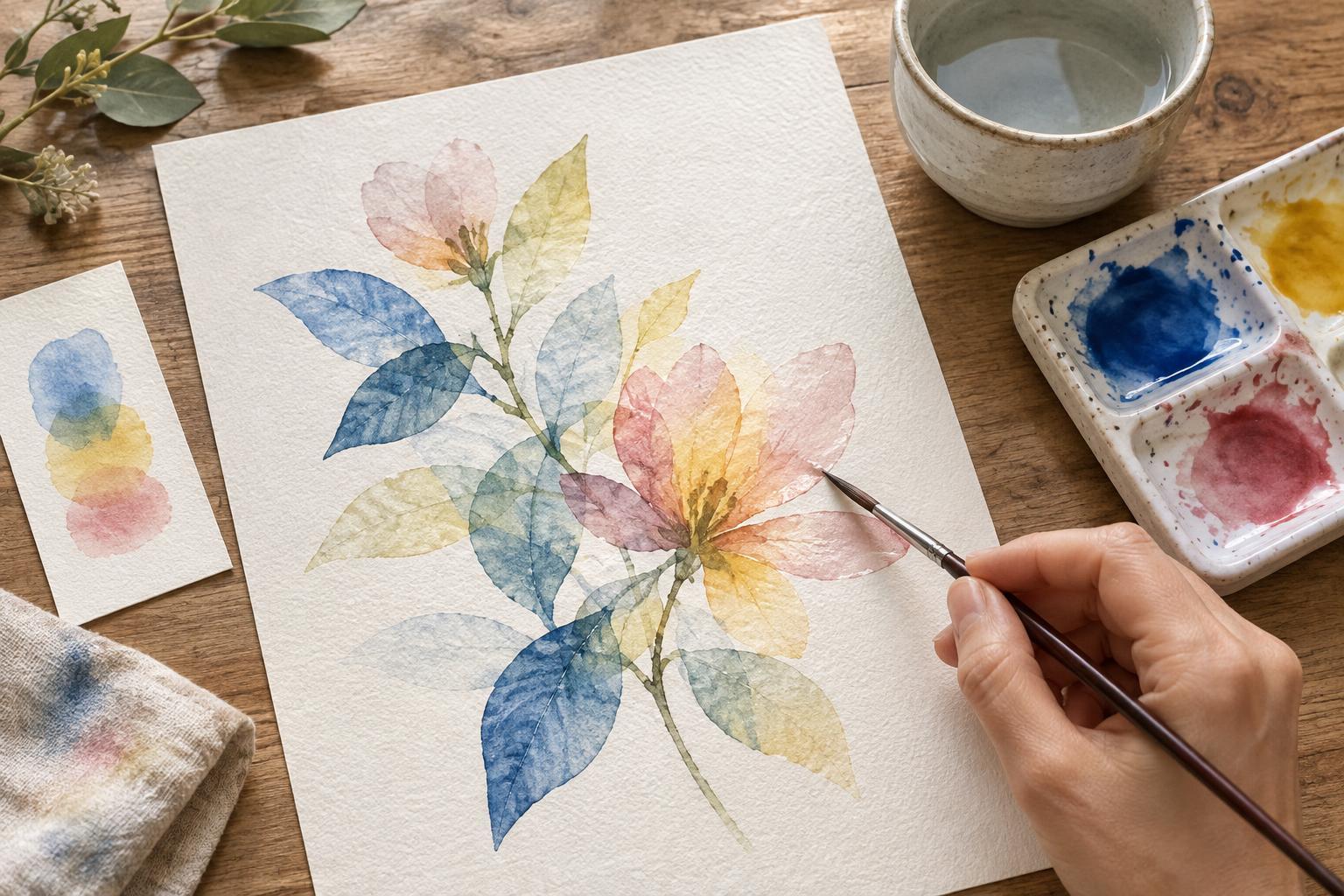
Illustration TechniquesWatercolor glazes can build luminous color, soft shadows and subtle shifts in temperature. Learn how to choose colors, let layers dry and use a light touch so earlier washes remain visible instead of turning muddy.
Read article · 4 min↗
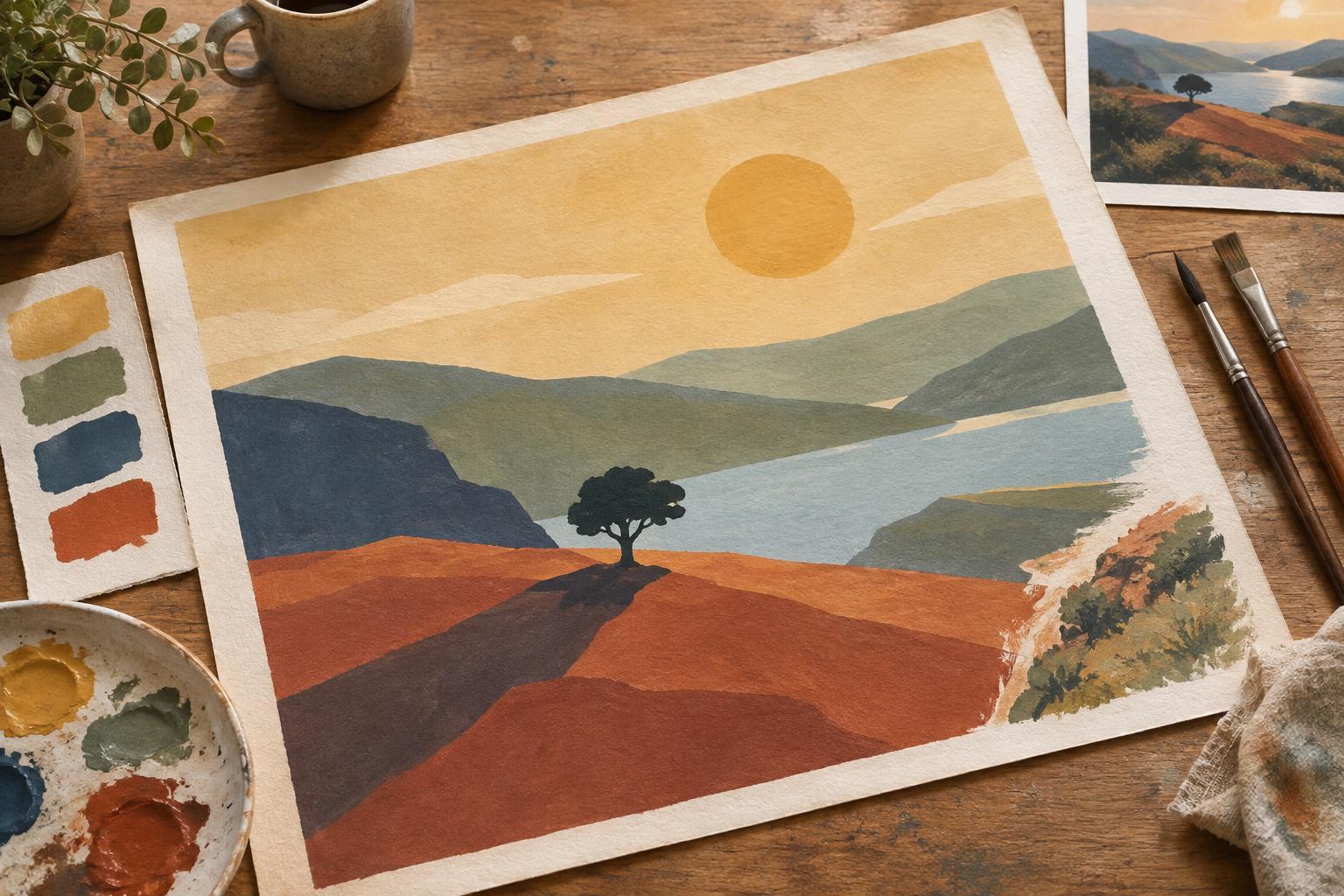
Illustration TechniquesColor blocking lets you test an illustration’s composition, mood and focal point before committing to small details. Learn how to build a simple color plan, check its readability and decide when it is ready for refinement.
Read article · 4 min↗
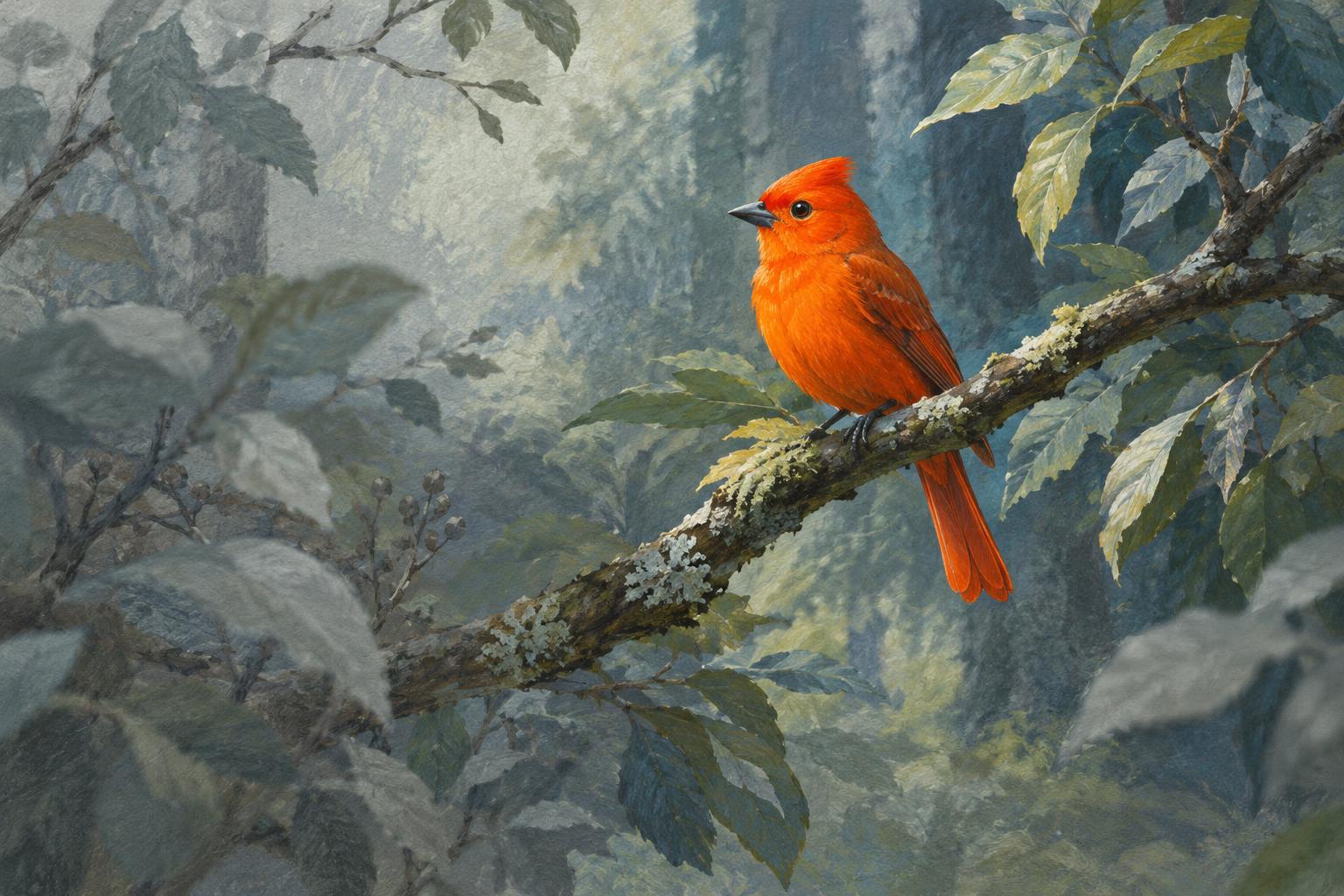
Illustration TechniquesA strong focal point helps viewers find the heart of an illustration. Learn how to use differences in light, dark and color intensity to guide attention without making every part of the image compete.
Read article · 4 min↗

Illustration TechniquesWarm and cool colors can help an illustration feel spacious without relying on detailed rendering. Learn how to compare color temperatures, organize foreground and background, and test the effect in a small study.
Read article · 4 min↗
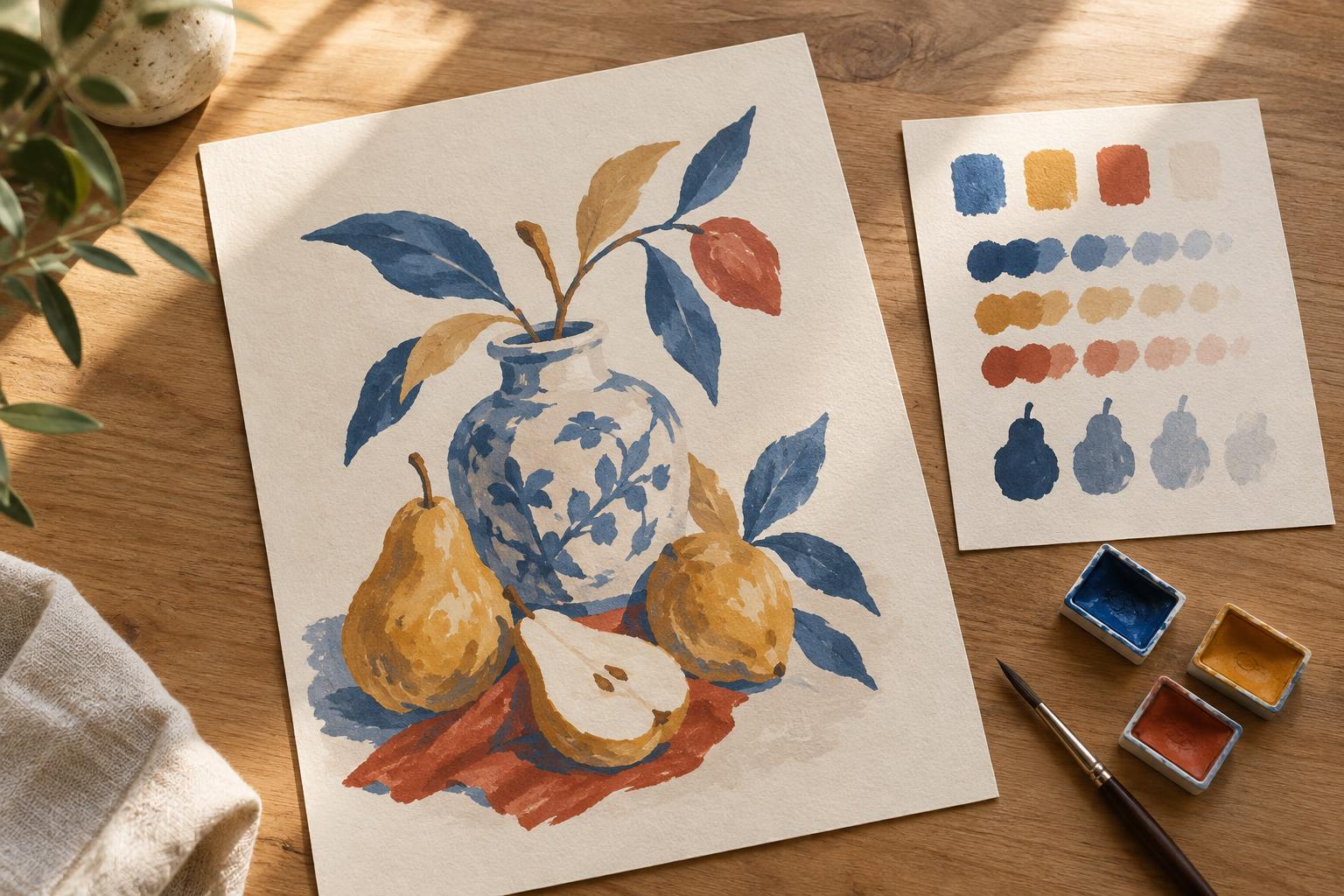
Illustration TechniquesA limited palette can make an illustration feel cohesive without making it dull. Learn how to choose a few useful colors, test them against the image’s values, and give important details room to stand out.
Read article · 4 min↗