Start with the space, not the paint
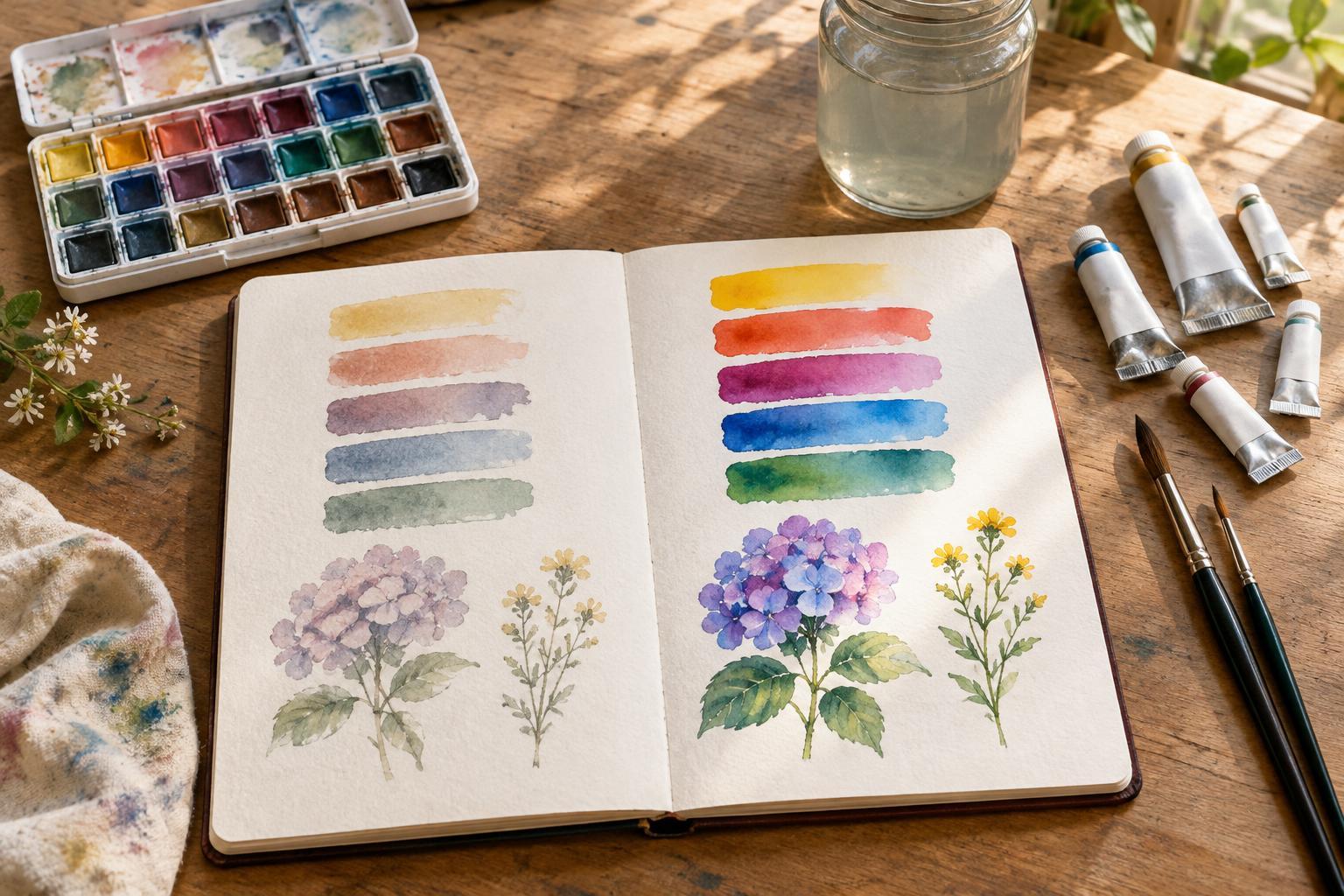
The difference between watercolor pans and tubes is mostly about how paint is stored and picked up. Pans hold dry paint that you activate with water. Tubes hold moist paint that you squeeze onto a palette. Both can produce delicate washes, strong color, and layered illustrations. Results depend on the paint, the amount of water you use, and the paper as much as on the container.
Picture a typical painting session before buying either format. Do you unpack at a shared table and put everything away afterward? Do you keep a palette open beside a large sheet of paper? Are you filling a travel sketchbook or mixing enough color for several related illustrations? Your answer will reveal which format removes friction from the work you actually do.
When pans make painting easier
Pans suit small or temporary workspaces. A compact set can hold colors and mixing wells in one case, so setup may take little more than opening it, adding water, and wetting a brush. That makes pans useful for sketchbooks, quick color studies, and painting away from a dedicated desk. They are also easy to close and store once the paint has had a chance to dry.
The trade-off is mixing capacity. A small travel palette can feel crowded when you need several clean, generous washes at once. Picking up enough pigment for a broad area may take repeated passes with a damp brush, especially if the paint is slow to rewet. If you mainly paint large backgrounds, check that your palette gives you enough room to mix and hold the amount of color you need.
When tubes earn their place
Tubes are convenient when you regularly mix larger amounts of color or want to begin with moist paint. You can squeeze out what you expect to use, then work with a broad palette and a larger brush. This can be helpful for full-page washes, repeated color mixtures, or an illustration with several areas that need to look consistent. A roomy mixing surface is often more important to this workflow than the tubes themselves.
Tubes do ask for a little planning. Squeeze out too much, and paint may dry on the palette before you use it. Many watercolors can be reactivated after drying, though how readily they rewet varies by paint. Squeeze out too little, and you will need to pause to make more of a mixture. Wipe tube openings before replacing caps, and keep your palette reasonably clean so old color does not muddy the next session.
Build a setup around your habits
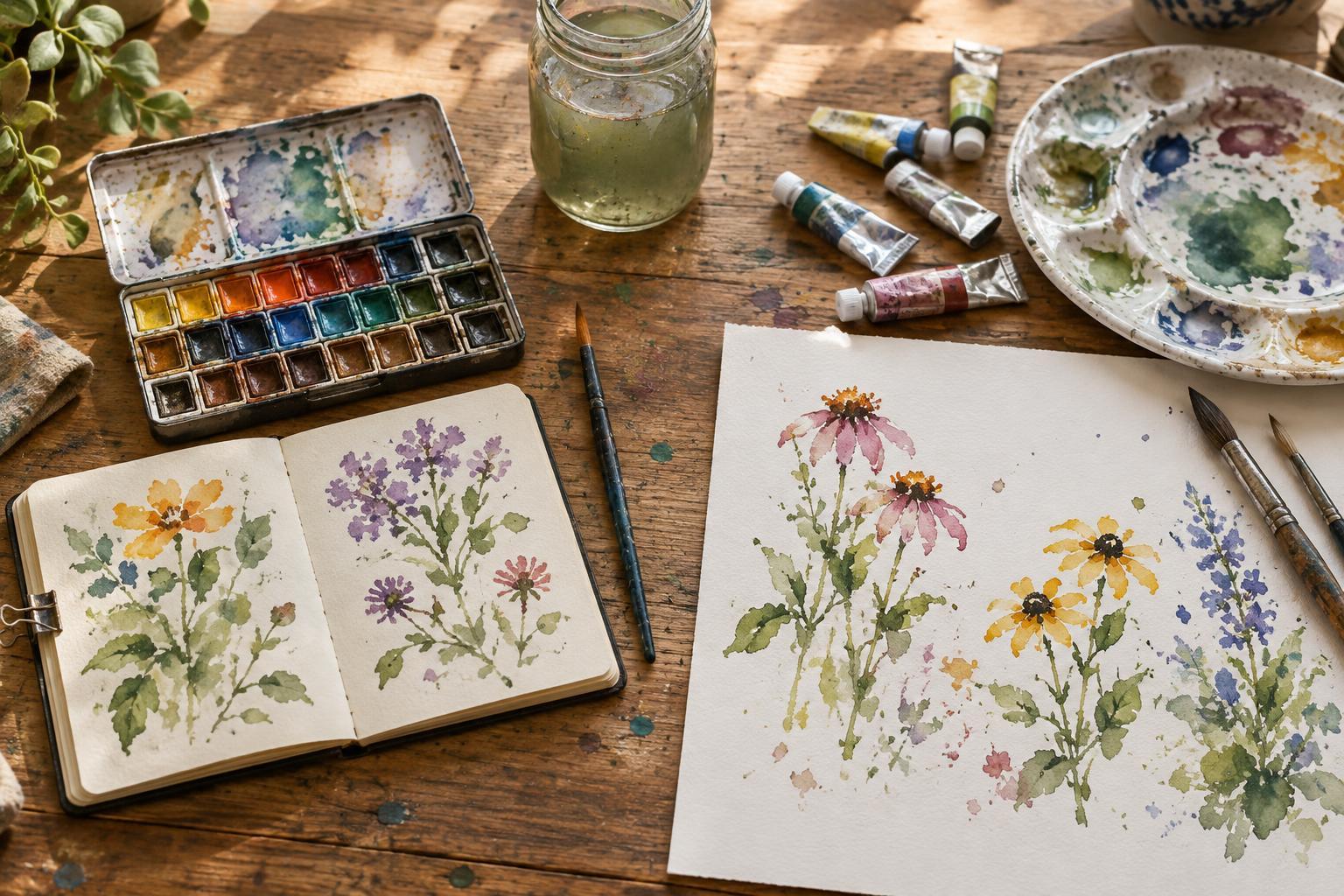
You do not have to commit to only one format. Many painters squeeze tube color into empty pans and let it dry for a portable palette. This can combine the color choice available in tubes with the tidy storage of pans, although some paints shrink, crack, or rewet differently once dried. If portability matters, try filling one pan first rather than preparing an entire set at once.
Think about the surrounding tools, too. A desk setup benefits from a stable water container and a mixing surface large enough to keep warm, cool, and neutral mixtures apart. A portable setup needs a secure case, a small water supply, and a way to manage a wet brush. In either case, keep clean water available for pale washes and allow damp pans or palettes to dry before closing them for storage.
Make a small test before expanding your collection
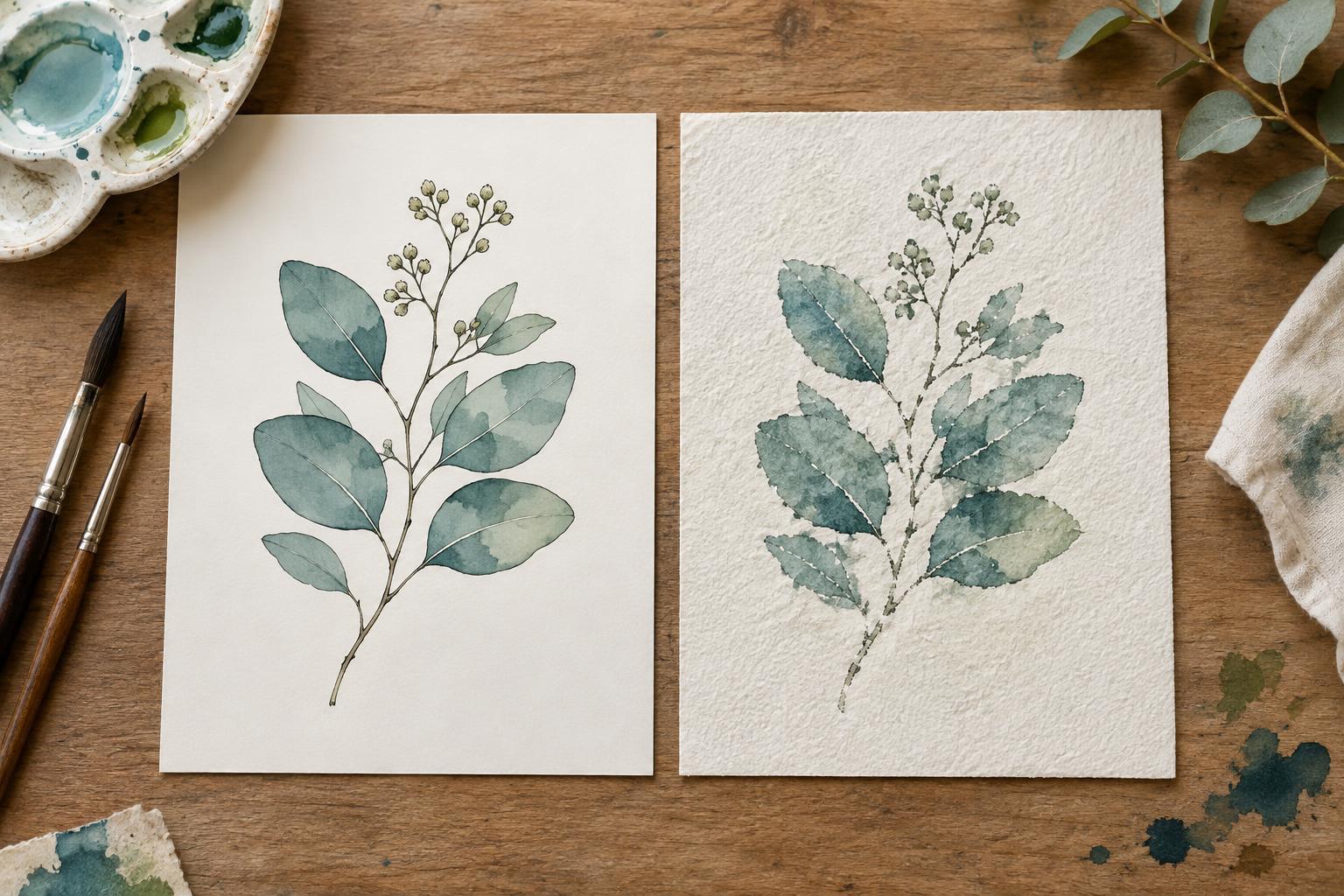
If you are undecided, start with a few colors in the format that best matches your most common workspace. Paint the same simple subject twice: once using small, separate color mixtures and once using a broad wash. Notice how long setup takes, whether you can make enough paint without interruption, and how easy it is to clean and store everything afterward. Those observations are more useful than trying to identify a universally better format.
Choose pans if a compact kit makes you more likely to paint. Choose tubes if ample mixing room and ready access to moist color serve your usual projects. If your work moves between a sketchbook and a desk, a mixed setup may be the most practical choice. The right materials are the ones that let you spend less time managing supplies and more time looking, mixing, and drawing.